 Central Asia & Caucasus DMC
Kazakhstan travel
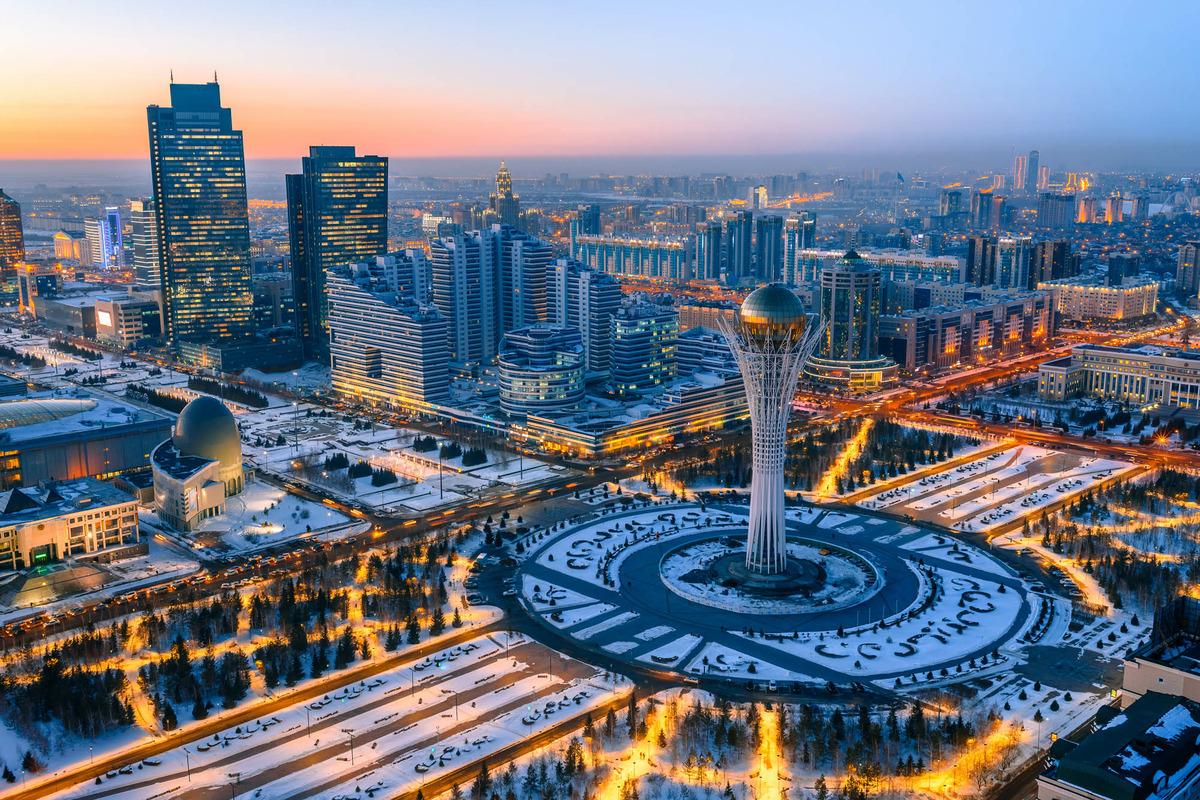
Most people know the name. Few have actually been. Kazakhstan is Central Asia's great undiscovered journey - where ancient Silk Road cities meet boundless steppe, where nomadic traditions are still lived rather than performed, and where the scale of the landscape has a way of quietly shifting your perspective. At Anur Tour, we've spent years getting to know this country properly - its roads, its people, its rhythms. That knowledge is what we put into every itinerary we build for you. Come curious. Leave with stories.
Our Services
Tourist information Kazakhstan
- 1. Why Kazakhstan Feels Different
- 2. Visa & Entry - Easy to Navigate
- 3. Is Kazakhstan Safe?
- 4. What Most Guides Skip
- 5. Comfort level is higher than you expected
- 6. Where to eat
- 7. Top Experiences
- 8. Best time to visit (seasonal travelling)
- 9. Culture, lifestyle, & Reality
- 10. Cultural Etiquette & Dress Code
- 11. Food Experience in Kazakhstan
- 12. Things You Should Know Before You Go
- 13. Why It’s Great for Modern Travelers
- 14. Our Services
- 15. Language & communication
- 16. Kazakhstan Health & Insurance
- 17. Electricity, plugs & adapters
- 18. Emergency Contacts & Embassy Information in Kazakhstan
- 19. What to buy from Kazakhstan
- 20. Festivals & public holidays
Why Kazakhstan Feels Different
Most places show you what to see. Kazakhstan shows you what to feel.
Here, travel isn’t rushed, scripted, or crowded. It’s slow, expansive, and deeply genuine-a kind of experience that’s becoming rare in modern tourism.What truly sets Kazakhstan apart isn’t just its locations, but how you experience them.
Immense, untouched landscapes
From endless steppes to dramatic canyons and alpine lakes, nature here feels raw, vast, and unspoiled-without heavy tourist infrastructure or artificial design.
Still authentic, not over-commercialized
Many destinations worldwide are fully shaped by tourism. Kazakhstan remains in a phase where culture, daily life, and traditions exist naturally-not performed for visitors.
Modern cities
Cities like Astana and Almaty are developed, comfortable, and vibrant-yet they don’t feel overwhelming or overcrowded. You can enjoy both energy and calm at once.
A living cultural identity
Traditions, hospitality, and local values aren’t distant observations-they’re part of everyday life. You don’t just see culture here; you feel it through real interactions.You don’t come to Kazakhstan just to visit famous landmarks. You come for experiences that feel rare, honest, and unfiltered-the kind of travel that stays with you long after you leave.
Visa & Entry - Easy to Navigate
Kazakhstan stands out in Central Asia for its refreshingly simple entry procedures, making it a breeze for travelers worldwide. You might be surprised at how many nationalities can stroll in visa-free, usually for up to 30 days per visit-but it depends on where you’re from. This setup opens doors wide for plenty of tourists, removing usual hassles. But what if you’re not on that list? No worries. Kazakhstan’s got an electronic visa system tailored just for you.
Apply online quick and straightforward.
You will often need an invitation letter, typically from a hotel or travel agency. This e-visa covers visits for tourism, business, or medical reasons. Remember, it’s crucial to print it out and show it at the border checkpoint.
Basic Entry Requirements
No matter the visa category, you’ll need a few essentials: a valid passport-make sure it's good for at least six months. Also, have your return or onward ticket ready. Don't forget to show where you'll stay-whether it’s a hotel booking or an invitation.
Is Kazakhstan Safe?
For the most part, yes-it's a secure spot, especially if you're venturing alone or it's your first time in Central Asia. Serious trouble involving tourists? Pretty uncommon, particularly in the big cities. You might find risks like scams or petty theft in crowded areas, but nothing truly dangerous-more practical annoyances than threats. Cities such as Almaty and Astana stand out: modern, well-organized, and regularly overseen, especially downtown, in business quarters, and tourist hot-spots.
Transportation Safety
Use official ride-hailing apps like Yandex Go rather than grabbing any taxi off the street. Think twice before jumping into a cab that’s not licensed, especially around airports or bus stations-those spots are notorious for unregistered drivers. And hey, don’t forget: always check the driver's identity and the license plate before you get in the car.
Personal Safety Tips
Crowded spots-think markets or public transit-demand you keep your stuff safe. Ever notice how some bags just won’t shut all the way? Avoid those; pick ones that zip or snap securely. Flashing valuables around? Not the smartest move. Stay alert, especially in bustling downtown areas where distractions abound.
Most main districts in big cities stay pretty safe after dark. But-here’s a tip-steering clear of empty or dimly lit spots when you’re alone is smart. When night drags on, try hailing a ride through transportation apps instead of trekking long distances by foot.
Documents & Local Rules
- Always have a copy of your passport on you, digital works fine-when you're out and about.
- Store the original safely where you stay; don’t carry it around.
- Stick to local laws and regulations to steer clear of any confusion or trouble.
Common pitfalls travelers stumble into: Catching rides with unofficial taxis. Have you checked prices beforehand? Some skip this step, which can lead to surprises. Also, don’t brush off the actual distances between places-you’ll thank yourself later.
What Most Guides Skip
• Payment methods, money & currency
Kazakhstan tenge (KZT) is the official currency here. You’ll find cash remains king especially in markets, small shops, and taxis.
Visa and Master card? You’ll find them accepted nearly everywhere in city centers, though rural spots might give you headaches. Now, Apple Pay and Google Pay – they’re gaining ground in Almaty and Astana, but don’t count on them all over yet. ATMs? Plenty around. Keep in mind, some will ding you with foreign card fees. Need to swap cash? Cities offer better rates than airports-those usually rip you off. Oh, and carrying small bills, like 1,000 to 5,000 KZT notes, is a lifesaver for hopping on buses or grabbing street snacks.
Connectivity-think SIM cards, internet, roaming.
Internet speeds in Kazakhstan? Solid if you're in a city. Venture outside those urban hubs, though, and it might falter. Want a SIM card? You’ll find Beeline, Kcell, Tele2/Altel vendors waiting at airports or local shops.
You’ll need your passport to register it. Tourist SIMs typically offer between 10 and 40 GB, good for roughly a month. If your phone handles eSIMs, that’s often the slickest route no need to hunt down a store, instant activation included.
Many travelers grab a SIM or a small data bundle as soon as they land, but it’s not a sure thing everywhere. Cafes, hotels, malls-they usually have Wi-Fi, but don’t count on top-tier quality all the time.
Travel between cities?
You can take a train, catch a bus, or hop on a domestic flight.
Ever tried crossing Kazakhstan? It's enormous-people often undervalue the stretches between places.
If you’re traveling between cities in Kazakhstan, trains run by Kazakhstan Temir Zholy (KTZ) are often your go-to. They’ve built a solid reputation for being both popular and dependable. The trip from Almaty to Astana? It can take anywhere from about 12 up to 18 hours, depending on which train you pick. Comfort is definitely on offer, but heads-up-during peak times like holidays, it’s wise to book your seat well ahead.
Need to get there faster?
Domestic flights with airlines like Air Astana, SCAT, and Qazaq Air usually shave off significant travel time on longer routes, such as Almaty to Astana or Almaty to Aktau.
Looking to save some cash?
Intercity buses cost less but do come with trade-offs: slower journeys and less comfort over long distances. Night trains are another popular choice-they’re practical for skimping on hotel costs, too. So, options abound, each with its own perks.
Within cities - think metro, taxis, ride-hailing apps - urban transport plays a key role. Once you get the hang of the apps, moving through cities becomes simpler.
Yandex Go stands out as the primary taxi app-popular, budget-friendly, and heavily used. You can pay either by card or cash right in the app.
Street taxis?
Unless they're metered or app-backed, it's wise to steer clear. Ever been to Almaty? It hosts Kazakhstan’s sole metro system-small, yes, but spotless and pretty efficient. Buses crisscross all major cities, though figuring out their routes without a local app can be a bit of a puzzle. Some places hand out transport cards for buses and the metro, but tourists mostly just depend on apps instead.
Comfort level is higher than you expected
Kazakhstan makes for fairly high comfort levels. These areas are actually unique in that they are the most modernized and advanced areas in the country. Almaty has a service provision rate of about 92.1% while Astana is not that far behind at 89.3%.
If you’re an expat being compensated in hard currency, the country is likely to be quite accessible. Kazakhstan has lots of high-quality hotels and dining options to choose from, ranging from luxury international brands in Almaty and Astana to distinctive, eco-friendly yurt accommodations and mountain resorts.
Key options are The Ritz-Carlton, Rixos, and Hilton, with most hotels serving or near fine-dining, multi-cuisine, and traditional restaurants.
Where to eat
Kazakh cuisine: modern and traditional
Visit AUYL or Qazaq Gourmet to enjoy national cuisine with a contemporary twist; both serve traditional recipes with a contemporary aspect. For a fresher, more authentic food experience, try Sandyq, a restaurant-museum, or Saksaul, with its rich Eastern character.
International and European cuisine
For fine dining with a view, head to Selfie. Nuala serves elegant Mediterranean flavors, while La Barca Fish & Wine is ideal for seafood lovers. For French cuisine and steaks, head to Seven Bar and Restaurant.
Casual & cozy spots
For a more casual dining experience, head on to Ogonyok or Line Brew - two popular and reliable options. For a warm, homey atmosphere with an emphasis on Eastern flavors, try Tyubeteyka.
Restaurants with a view
In Almaty, don’t miss restaurants in the mountains near Ile-Alatau National Park - a great place to find great food while enjoying beautiful scenery. And you can visit Vista for panoramic city views.
Top Experiences
Kazakhstan is beautiful, diverse, and unforgettable, the land of nature in Kazakhstan. When there's not much time, these are some of the best sites near Almaty in Kazakhstan where you can enjoy some of its most beautiful vistas.
Charyn Canyon
Known as the Grand Canyon of Central Asia, Charyn Canyon has some of the world's most dramatic red rocks and deep valleys.
Why visit: Unique terrain, particularly the “Valley of Castles,” ideal for photography and gentle hiking, one of the most naturally striking natural sights near Almaty.
Useful info: Distance: about 3–4 hours from Almaty, best time to go: spring and autumn (mild), make sure to wear good shoes and bring water - it gets very hot in summer.
Kolsai Lakes
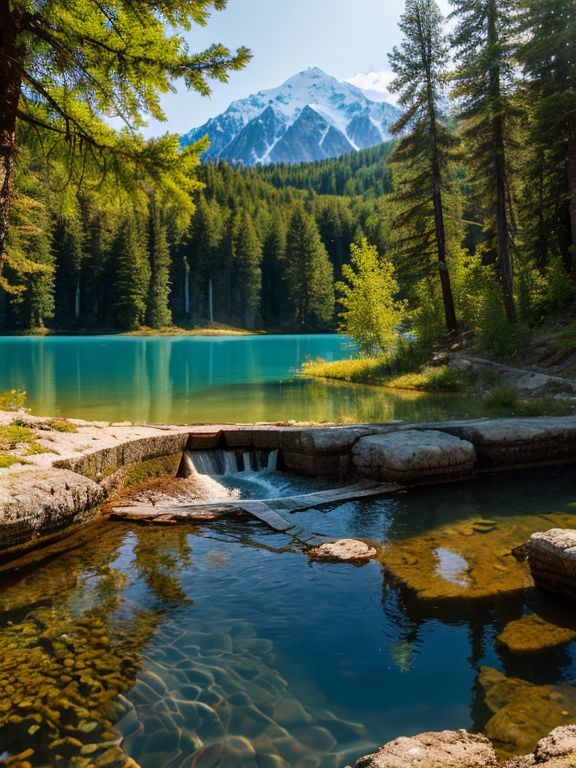
Kolsai Lakes are pristine mountain lakes filled with woodlands and alpine views.
Why go: Peaceful and the mountains have fresh air, making it great for hiking, horseback riding, and picnics, perfect for those who want to unwind and find rest.
Useful info: Distance: about 4–5 hours from Almaty, you can reach the first lake quite easily; the other ones require hiking; stay overnight in guesthouses to get a fuller experience.
Almaty Lake
Located high in the mountains, Big Almaty Lake is turquoise.
Why go: Most photo-friendly spot in Kazakhstan, easy trip from the city - beautiful every season.
Helpful info: Distance: 1–1.5 hours from Almaty, limited access - check ahead, best visited in the morning for clearer views and fewer crowds.
Best time to visit (seasonal travelling)
Season | Months | What to Expect | Best For | Top Places |
Spring | March – May | Mild weather, blooming landscapes, fresh greenery | Sightseeing, nature, fewer crowds | Almaty, Charyn Canyon |
Summer | June – August | Warm to hot in cities, cool in mountains, clear skies | Hiking, lakes, outdoor adventures | Kolsai Lakes, Big Almaty Lake |
Autumn | September – October | Comfortable temperatures, golden landscapes | Photography, relaxed travel | Charyn Canyon, Almaty |
Winter | November – February | Cold weather, snow, especially in the north | Skiing, winter scenery | Shymbulak | Ski Resort, Astana |
Culture, lifestyle, & Reality
Kazakhstan isn’t just a place, it’s a feeling of space, heritage, and quiet luxury derived from authenticity.
Culture
Kazakh culture is characterised by elegance in simplicity and a great appreciation of guests, rooted in centuries of nomadic tradition. Hospitality here is instinctive and genuine - enacted in refined rituals, from sharing tea to serving time-honored dishes. “One foot lifts the other,” as she put it, “from music to craftsmanship - everything that’s involved bears the mark of heritage and identity.”
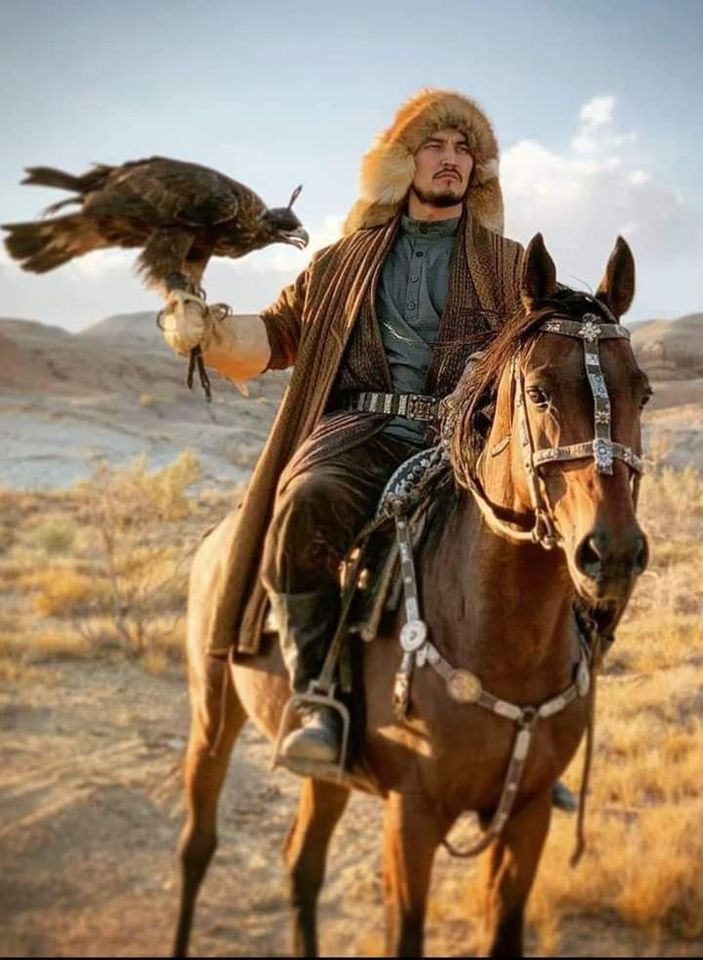
Lifestyle
In cities such as Almaty and Astana, modern living unfolds with style - curated restaurants, contemporary architecture, and a burgeoning creative community.
Outside them, each city demonstrates another aspect of the nation. Shymkent has a slightly warmer, more traditional feel with vibrant local life. Turkistan is also a spiritual and cultural hub, full of history and heritage. In the west, Aktau surprises with its coastal landscapes along the Caspian Sea, while Karaganda reflects the country’s industrial past and evolving identity. Altogether, these places form a layered lifestyle - where modern energy meets deep-rooted tradition.
Reality
Kazakhstan offers a more private, less commercial travel experience - a dream for travelers in search of something unexpected.
Luxury is subtle here, found in space, silence, and authenticity. Those distances aren’t small, and they lend themselves to slower, more intentional travel. English is more common in big cities, while local interaction gives depth and character. Infrastructure is in a state of evolution, blending comfort with a sense of discovery. For the discerning traveler, Kazakhstan is not about excess - it’s about meaning, perspective, and rare, unfiltered beauty.
Cultural Etiquette & Dress Code
Knowing about local etiquette in Kazakhstan gives your trip context. It’s not so much about strict regulations and rules as about respect, awareness, and reading the room.
Social Etiquette
Hospitality is a central component of Kazakh culture.
If you’re invited somewhere, it’s a privilege - and being there, engaging, and respectful are all important.
Greetings are warm and polite;
The proper handshake is customary at formal events. When attending someone’s home, a small present (sweets, fruits) is welcomed.
Shoes are generally removed when entering a house.
Elders are shown visible respect - let them speak first or take the initiative.
Tea is more than a beverage - it’s a social ritual, where refusal may be seen as impolite.
Behavioral Nuances
Every day interaction has a little unspoken code. There are also places where one should not be loud or expressive in public. Personal space is respected and is particularly appreciated in formal settings. There is very little in the way of public displays of affection. It is important that people seek permission before photographing people. Political discussions or discussing sensitive topics need to be carefully managed.
Dress Code
Kazakhstan has cultural awareness but remains modern. This should come across in the way you dress for the setting.
In the cities, smart casual or elegant style fits naturally. More modest clothing is recommended in the countryside and in smaller towns.
Cover shoulders and knees when visiting religious or cultural sites.
For luxury spaces (fine dining or premium hotels), this usually looks more sophisticated. For the most part, style here is about muted elegance instead of flashy showiness.
Cultural Insight
In Kazakhstan, respect is reflected in small details: tone of voice, patience, and attention. Travelers who settle into this rhythm often find a gentler and more real side of a country, a side that’s more than just places but personal experiences
Food Experience in Kazakhstan
Food in Kazakhstan is much more than cuisine - it is a reflection of history, hospitality, and life on the steppe. Food is generous and communal, social, and it’s a deeply meaningful way to relate to others, where that food is always something that reminds you how to be respectful and meaningful.
- Kazakh cuisine takes traditional foods in a whole new light and brings them under its close supervision by special culinary practitioners. Kazakh food revolves around simple and hearty foods, mostly meat, dough, and dairy, that have been shaped by a long period as an indigent nomadic society. It is said that every dish carries the cultural meaning of an occasion for celebration, togetherness with each family member, and guests' arrival into the community.
- Beshbarmak - national classic consisting of boiled meat (usually lamb or horse) on flat noodles and rich broth, is the most famous dish. Hand-me-down is a dish that symbolizes togetherness and sharing.
-Kazy - meat sausag (usually with the most elaborate appearance), and is widely prepared for special occasions.
-Baursaki - small fried dough, served with tea or honey.
-Manty - steamed dumplings topped with minced meat and onions.
-Lagman - hand-pulled noodles with meat and vegetables, inspired by Central Asian cuisine.
-Plov (pilaf) - fragrant rice mixed with meat, carrots, and spices.
-Shashlik - grilled meat skewers, popular in casual outdoor eating.
-Kuurdak - a well-seasoned, fried meat filled with potatoes and onions.
-Syrne - slow-cooked meat with its own juices, usually cooked for special occasions.
Dairy & Traditional Drinks
Dairy is a big part of Kazakh food, particularly from nomadic traditions:
- Kumys - fermented mare’s milk with a bit of sour flavor.
- Shubat - fermented camel milk, richer and thicker.
- Airan - a refreshing fermented yogurt beverage, usually eaten with meals.
- Kurt - dried, salty yogurt balls, a nomadic snack.
.jpeg)
Dining Culture
In Kazakhstan, food is inextricably linked to hospitality. Guests are always greeted with plenty - tea, bread, sweets, a full table full of dishes, usually more than visitors would have imagined. Food sharing is a gesture of warmth and respect. In cities such as Almaty and Astana, local cuisine is served contemporaneously in sophisticated eateries and high-end diners with a modern-day menu.
A Taste of Culture. To appreciate Kazakh food is to enjoy its people - generous, humble, and steeped in tradition. Each dish tells a tale of land, heritage, and the art of hospitality.
Things You Should Know Before You Go
Packing (Based on Season)
In Kazakhstan’s climate, the atmosphere is highly continental. The result is extreme temperatures from one season to another, even from day to night. A good trip requires a very clever packing plan.
Spring (March to May): In spring, there can be sun, rain, and even snow all in one week.
What to expect:
- Temperature: +5°C to +20°C
- Windy weather
- Particularly in Astana, rainfall and snow may interrupt the proceedings
What to bring:
- Layered dress, Waterproof jacket or trench coat,
- Water-resistant shoes
- Scarf
- Protective blanket for wind
- Compact umbrella
Pro tip: The streets are wet and may be muddy - avoid light-colored shoes.
Summer (June - August): There is heat and dryness in summer, but not everywhere.
What to expect:
- +25°C to +35°C in places like Almaty
-Cooler in mountain areas (even a little chilly in evenings)
- Strong sun, dry air
- What to bring:
- Lightweight,
- Breathable fabrics (cotton, linen)
- Sunglasses & high SPF sunscreen
- Hat or cap
- Reusable water bottle
Very practical if you want to save your cash at any time of day or night. Light jacket or small hoodie if you want to go to the mountain areas near Almaty.
Pro tip: If you’re going up to see the area up there, you’ll always need an extra layer: temperatures drop quickly after sunset.
Autumn (September to November): Probably the most comfortable and aesthetic season.
- What to look forward to: +10°C to +20°C
- Early autumn, rapid cooling in November, Golden scenery
- Dry weather
What to bring:
- Smart layering pieces
- Sweaters or knitwear
- Light coat or leather jacket
- Comfortable walking shoes
Pro tip: Perfect time for content creation - soft light, fresh air, and fewer tourists.
Winter (December - February): Winter is lovely but challenging.
What to expect:
- -10°C to -25°C (especially in Astana)
- Gusty winds feel even colder
- Dry air
- Snow-covered cities
What to bring:
Heavy insulated coat (preferably windproof)
- Thermally fitted thermal top and pants (preferably top & bottom)
- Wool socks
- Gloves and a hat
- Scarf (face protection is crucial)
- Waterproof,
- Non-slip boots
Pro tip: Battery is quickly sapped in cold – your phone plus camera will have to be kept warm
Why It’s Great for Modern Travelers
Kazakhstan is one of the few destinations that remains authentic and less explored while still offering modern comfort and convenience.
While most countries are overcrowded and overexposed, Kazakhstan still has open and uncapped spaces. You can enjoy vast steppes, stunning mountains, and crystal-clear lakes - all without the heavy load of tourists - while still enjoying reliable infrastructure in cities like Almaty and Astana.
Modern Comfort with Authentic Culture
- Kazakhstan meets the expectations of a modern-day traveler:
- Simple to use ride-hailing services
- Steady mobile broadband connectivity
- Cashless payments accessible in urban areas
- At the same time, it is still retaining its cultural identity
Content creators
-Travel photographers
- Brand storytelling
- Cinematic travel experiences
- It is space, silence, and genuine rebalancing
Amid a fast-moving, hyper-connected world, Kazakhstan provides something all the more valuable - space.
- Endless open landscapes
- Quiet natural environments
- Minimal crowds
- It’s not only a place to go, but also a place to slow down and reset
- Unique experience to be had with high value
Kazakhstan provides excellent value compared to other popular destinations here:
- More space and exclusivity.
- Unique cultural immersion.
- Lower overall travel costs.
You are granted access to experiences that feel premium - but without premium price tags.
Four Seasons - Four Journeys
Kazakhstan is transformative; the years go on and on, each season providing an entirely different experience:
- Summer: mountains, lakes, and outdoor adventures
- Autumn: golden landscapes and mild weather.
- Winter: landscape with snow and skiing.
- Spring: fresh air and blooming steppes. Safe, Warm, and Welcoming.
Our Services
Tours and Business Travel Organization Across Central Asia
Planning a trip should be exciting - not overwhelming. We manage all the logistics at Anur Tour, transforming complex logistics into an easy, calm experience. Whether you’re planning a business trip, a leisure vacation, or a business event, our team is dedicated to keeping the details in order and providing care and attention to each detail. Comfort, efficiency, and outstanding service are always our focus from the minute you get the idea to the last day of your trip. We partner closely with trusted partners in Central Asia to offer the best available rates, coordination, and support – so you can enjoy your trip while focusing on the experience.
Our services include:
- Personalized travel in Kazakhstan and Central Asia
-Hotel reservations for every level of comfort
- Railway and flight ticket booking
- Private and group transportation
- Visa support for Kazakhstan
- Professional guides and interpreters
- MICE services (Meetings, Incentives, Conferences, Exhibitions)
Whether your journey is a VIP trip, private tour, or travel planning, Anur Tour is at your service; the most organized and professionally directed trip out there.
Language & communication
Greetings & basic politeness
- Сәлеметсіз бе? (Salemetsiz be?) - Hello / How are you? (formal)
- Сәлем! (Salem!) - Hi (informal)
- Рахмет (Rakhmet) - Thank you
- Кешіріңіз (Keshiriniz) - Sorry / Excuse me
- Өтінемін (Ötinemin) - Please
Everyday travel phrases
- Иә (Iä) - Yes
- Жоқ (Joq) - No
- Қанша тұрады? (Qansha turady?) - How much is it?
- Қайда? (Qayda?) - Where?
- Мен түсінбеймін (Men tüsinbeymin) - I don’t understand
Transport & directions
- Такси керек (Taksi kerek) - I need a taxi
- Аэропорт қайда? (Aeroport qayda?) - Where is the airport?
- Мына жерге апарыңызшы (Myna jerge aparyñyshy) - Please take me here
Food & restaurants
- Су (Su) - Water
- Тамақ (Tamaq) - Food
- Ет (Et) - Meat
- Шот әкеліңіз (Shot äkeliniz) - The bill, please
Bonus tip
Even if pronunciation isn’t perfect, locals really appreciate when tourists try to speak Kazakh - it shows respect and often leads to warmer service and friendliness.
Kazakhstan Health & Insurance
If traveling to Kazakhstan, be prepared with basic health care and travel insurance coverage, especially if you intend to visit both major cities and remote areas.
Healthcare system
Kazakhstan has a mix of public and private healthcare. In big cities like Almaty and Astana, private clinics are widely available, and tend to have speedier service, newer equipment and English-speaking staff (in some cases). While public hospitals are also accessible, wait times and language barriers will likely be more common. In cities pharmacies are found, and they are normally stocked with basic medicines. Brand names, though, and availability of services can vary from what travelers are used to.
Emergency services
Medical help is available, but the time it takes varies. It is customary to go straight to a private clinic if one can in emergency cases, particularly in cities. Travel insurance. Travel insurance is strongly recommended for all visitors. For tourists most medical services are paid, and bills that are not covered might be steep. A good insurance policy should include:
- Emergency medical treatment
- Hospitalization
- Medical evacuation (important for remote locations)
- Accident coverage
Before you travel, ensure your insurance coverage is valid in Kazakhstan, and also for planned travel for hiking, skiing, or business
Important tip
You should store your insurance information (online and in print) with you at all times. This would make accessing medical care faster in emergencies. Healthcare in Kazakhstan is accessible and reliable when it is based on insurance and rudimentary preparation, especially in large cities.
Electricity, plugs & adapters
You must see what kind of electricity system is used to charge your devices before traveling to Kazakhstan and ensure that you are safe while traveling.
Voltage & Frequency
A 220V supply voltage is operated at a 50Hz frequency typical for most of Europe and Asia in Kazakhstan.
If it's designed at another voltage especially from countries where 110V supply is used besides an adapter you will also need a voltage converter.
Most commonly used plug types Kazakhstan uses are
Type C - the most popular two-round-pin European plug.
Type F - the “Schuko” plug used throughout Europe, named the same, and has similar shapes to the plug used on many devices. Such sockets are available in most hotels, apartments, cafés and airports across the country.
Do You Need an Adapter?
Travelers coming from Europe on average will not require an adapter.
Those from countries like the US, Canada or the UK, or even Australia, however, require
a travel adapter that will slot into local sockets. A voltage converter should be worn for those who do not have devices compatible with 220V. Always examine the label of your charger or device before traveling. Yes, a lot of newer electronic appliances like cellphones, notebooks and cameras run dual voltage.
Useful Travel Tip
If you plan to travel to several countries in Central Asia, have one universal travel adapter on hand. Portable power banks will also be useful for long trips in long train tracks through Kazakhstan’s immense steppes and remote landscapes along the roads.
Emergency Contacts & Embassy Information in Kazakhstan
Before traveling to Kazakhstan, it is recommended to save important emergency numbers and embassy contacts in your phone. Having quick access to these services can make travel safer and less stressful.
Emergency Numbers in Kazakhstan
The primary emergency hotline in Kazakhstan :
- 112 – Unified emergency help number
- 101 – Fire service
- 102 – Police
- 103 – Ambulance
- 104 – Gas emergency service
- 110 – Anti-terrorism hotline
Calls to emergency services are free from both mobile phones and landlines.
In many cases, you can even call 112 without a SIM card.
Helping Tourists
There is a tourist safety promotion platform and police assistance. Many of the major cities such as Astana and Almaty offer emergency services, which are reliable and available round the clock.
Embassy and Consular Information
Travelers should always have the number of their country’s embassy or consulate. Embassies can assist with lost or stolen passports, medical emergencies, legal assistance, evacuation support, and family communications. Most embassies are in Astana but some countries maintain consulates in Almaty.
Before you go on a trip, it might be wise to:
Save embassy phone numbers wherever they exist.
Register your plans with your embassy if possible.
Retain a hard copy of your important contacts.
Maintain digital and hard copies of your passport/visa.
Travel communities also typically recommend sharing your travel itinerary and emergency information with friends, family, or close contacts prior to departure.
What to buy from Kazakhstan
Kazakhstan provides a perfect place for souvenirs that are an amalgam of nomadic culture, handcrafted skills and local tastes. Textiles and chocolates of traditional origin, together, all represent the rich steppe heritage, while also embodying the modern identity of a nation.
Traditional Kazakh Chocolates
One of the most well-known souvenirs is Rakhat chocolate:
The classic "Kazakhstan" chocolate bar presented in blue-and-gold packaging that adheres to the national flag. It’s inexpensive, portable and beloved by tourists and locals.
Dombra - The National Instrument
The dombra is a common traditional two-string instrument that's part of Kazakh culture. Tourists tend to purchase miniature decorative versions for souvenirs, while musicians buy handmade full-sized instruments.
Felt & Wool Products
Kazakhstan’s nomadic traditions are connected to handmade felt crafts. Popular items include:
- Felt slippers
- Handmade rugs and wall hangings
- Decorative yurt miniatures
- Felt coasters along with other accessories
They are practical, handy, but also multi-purpose, convenient for packing.
Traditional Apparel and Accessories
Travelers frequently purchase:
- Embroidered tubeteika hats
- Traditional robes called chapan
- Silk scarves with Kazakh ornaments
- Jewelry with silver and turquoise-patterned motifs
These pieces are designed in line with traditional designs with a twist of modern fashion and give you a meaningful gift.
Local Food & Delicacies
Food souvenirs, too, are very common in Kazakhstan. Here are some of the best options:
- Mountain honey from Tian Shan
- Dried fruits and nuts
- Traditional teas
- Kurt (dried salty cheese balls)
-Local sweets and jams
Crafts Made And Home Decor
Kazakh artisans handcraft beautifully crafted products, influenced from the nomadic way of life:
- Leather goods
- Wooden carvings
- Ceramic and porcelain decor
- Yurt-inspired décor in homes
There are handmade patterns that are all about allegorical designs which represent national history, many of them with designs that go back to allegorical motifs.
Where to Shop
Almaty and Astana are among the best cities for souvenir shopping:
- Green Bazaar (Zelyony Bazaar)
- Arbat street markets
- Local craft fairs
- Artisan shops at shopping malls
- Chocolates and gifts, duty-free shops at airports
Festivals & public holidays
New Year - January 1–2
Fireworks, city decorations, concerts, and family gatherings rank as some of Kazakhstan’s most widely celebrated holidays.
International Women's Day - March 8
A very popular public holiday celebrating women with flowers, presents, and family events nationwide.
Nauryz Meyrami - March 21–23
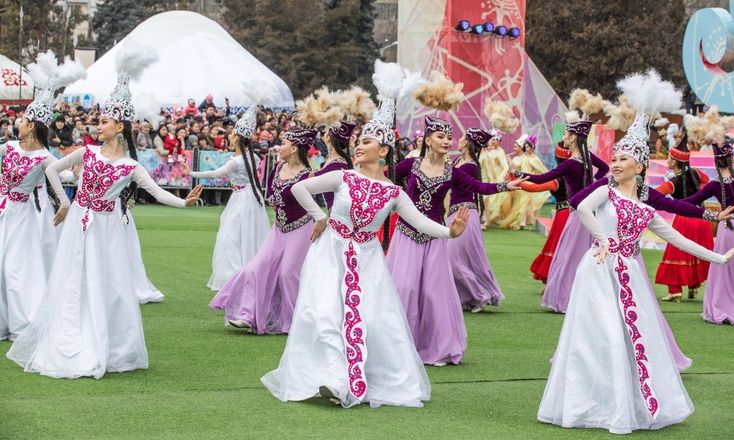
One of the major milestones of Kazakhstan, the spring festival is a cultural performance and has its own performance, traditional food of the country.
Victory Day - May 9
Memorial day commemorating World War II veterans via ceremonies, concerts, and patriotic events.
Constitution Day - August 30
Honors the adoption of Kazakhstan’s constitution through the use of festivals, entertainment, and public celebrations.
Almaty Alma Fest - September
Almaty: A colorful autumn festival celebrating the country’s famous apples, hosted for food fairs, concerts, arts, and local customs.
Khan Tengri Mountain - Festival-August
20-day mountaineering festival in Tengri Peak featuring climbers and adventurers from all around the globe.
Independence Day - December 16
Kazakhstan’s national holiday of independence with fireworks, concerts, and official ceremonies.
Kurban Ait (Eid al-Adha) - Dates vary
An Islamic holiday for family traditions, charity, and sharing with food. Dates change each year according to the lunar calendar.