 Central Asia & Caucasus DMC
Azerbaijans travel
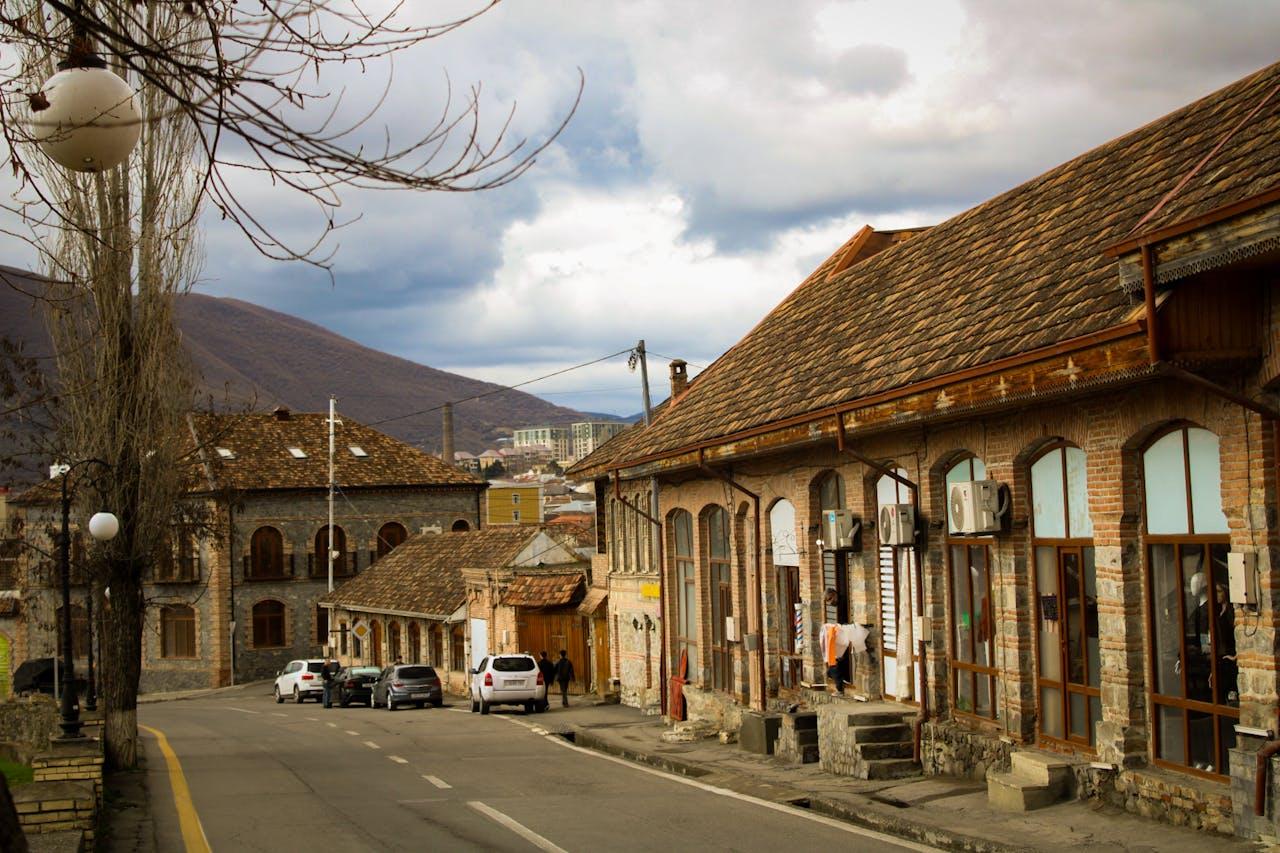
It is in Azerbaijan that East and West merge in the most seamless of fashion - a country where contrasts exist side-by-side in balance. Between the breezy boulevards of Baku, where modern skyscrapers butt up against medieval stone ramparts, and the contemplative silence of the mountainous villages, Azerbaijan is at once familiar and strikingly alien.
It is a place where fire and wind become part of the very identity of the country, and not merely elements of the environment-whether it be the perpetual fires of Yanar Dag or the gentle caress of the Caspian Sea breeze-everywhere on this journey, you are traversing a line between contemporary vitality and ancient tradition-modern glass and chrome reflects the skyline, while a tea house continues the tradition of long conversations and unhurried welcome.
Azerbaijan is not a country that seems to strive to impress-it simply reveals itself to you-through its cuisine, its landscapes, its people-inviting you to slow down, observe and experience deeply. Whether delving into the Silk Road past, tasting its bountiful cuisine, or simply witnessing the luminous spectacle of Baku by night, it is a country that you carry away with you for a long time after you depart.
Our Services
Tourist information Azerbaijans
- 1. Why Azerbaijan Feels Different
- 2. Visa & Entry - Easy to Navigate for Azerbaijan
- 3. Is Azerbaijan Safe?
- 4. The Stuff Most Guides Skip (Yet You Should Really Catch It)
- 5. Comfort level is higher than you expected
- 6. Top Experiences
- 7. Best time to visit (seasonal travelling)
- 8. Culture, lifestyle, & Reality
- 9. Cultural Etiquette & Dress Code
- 10. Food Experience in Azerbaijan
- 11. Things You Should Know Before You Go Packing (Based on Season)
- 12. Why It’s Great for Modern Travelers
- 13. Our Services
- 14. Language & communication
- 15. Health & Insurance in Azerbaijan
- 16. Electricity, plugs & adapters
- 17. Emergency Contacts & Embassy
- 18. What to buy from Azerbaijan
- 19. Festivals & public holidays
Why Azerbaijan Feels Different
It doesn’t choose between worlds - it lives in bothAzerbaijan sits quietly between Europe and Asia, but instead of feeling divided, it feels complete. Modern skylines rise above ancient streets, and nothing feels out of place.
Baku feels like the future with a memoryThe capital is bold and cinematic - glass towers, flame-inspired architecture, wide boulevards - yet just a few steps away, you’ll find stone walls, old courtyards, and stories that predate modern borders.
Every region feels like a different chapterIn one journey you can move from the Caspian coastline to green mountain villages, then into semi-desert landscapes. The scenery doesn’t gently change - it transforms completely.
Time behaves differently hereCities move fast with business energy and modern lifestyle, but outside urban areas, life slows down naturally. Tea is not rushed, conversations last longer, and presence matters more than speed.
Hospitality is not a gesture - it’s a cultureGuests are treated as part of the home, not visitors. Refusing tea is almost impossible, and every meal feels like an invitation to stay longer than planned.
Fire is part of identity, not just symbolismNatural phenomena like burning hills and flame-inspired landmarks reflect something deeper - a country shaped by energy, resilience, and visibility.
Old traditions are still part of modern lifeCulture is not performed for tourists. It exists in everyday routines - food, family gatherings, markets, and the way people communicate.
Aesthetic contrast is everywhere you lookMinimalist modern design stands next to intricate historical patterns. Luxury hotels sit close to traditional neighborhoods. Nothing is hidden, everything is layered.
It feels emotionally familiar, yet visually newEven first-time visitors often feel a strange sense of comfort - as if the country is new to the eyes but familiar to the feeling.
It doesn’t try to impress - it leaves an impressionAzerbaijan doesn’t overwhelm with noise or exaggeration. It stays quiet, confident, and slowly reveals itself the longer you stay.
Visa & Entry - Easy to Navigate for Azerbaijan
E-Visa is the primary way (ASAN Visa)
Most travelers use Azerbaijan's online ASAN Visa system to apply for their visa online without visiting an embassy.
It usually comes very quickly
Processing takes approximately a few working days for a standard e-visa and even faster if you opt for urgent processing.
Length of the visa (typical regulation)
A common tourist e-visa offers 30 days to stay in the country from date of issue and is valid for 90 days to enter.
The e-visa is single entry
In general you can enter once only on an e-visa, so if you leave you need a new visa to re-enter.
Passport valid for three months
Your passport should be valid for a minimum of three months after your departure (some airlines can insist on up to six months so stick to 6).
Immigration is a very clear setup
The most frequent international arrivals enter through Heydar Aliyev International Airport (Baku) and there is a highly organised approach to immigration and customs.
Registration policy (critical piece of information)
If you are staying in the country for longer than 15 days, you have to register with the State Migration Service. Usually your hotel handles this.
Strict but fluid immigration and border checks
All paperwork is checked, and the entire process usually runs smoothly when all required documents are complete.
No extensions
There are rarely extensions available to e-visas, so if you need to stay longer, you should exit and reapply.
Recommended travel insurance (though not always required)
Insurance is highly recommended and might be required, particularly to cover any medical needs during your stay.
Tourism has a generally friendly policy direction
Overall, Azerbaijan continues to refine the immigration process to assist in boosting tourism.
Is Azerbaijan Safe?
Generally, Azerbaijan is considered a safe and secure destination. The majority of tourists find their experience to be relaxed, particularly in Baku and along tourist routes.
General Safety Overview:
- There is a low incidence of violent crime in the main tourist zones.
- The main cities are organized and have official surveillance.
- Tourist zones have a clear layout designed to serve tourists.
- The locals are polite and helpful towards foreigners.
Safety in Cities (particularly Baku):
- Central districts of Baku are very safe both during the day and the evening.
- The most frequented places such as the boulevard, the old city and the main shopping street are well maintained.
- The public spaces are normally full of people, which can create a sense of security.
Common Safety Precautions:
Petty theft is possible in crowded places though relatively uncommon. It is important to keep a watch on your personal belongings while in public transport and markets. Avoid walking alone in desolate and poorly lit places at night.
Transport Safety:
- Taxis and ride-hailing services are very popular and generally safe.
- The metro system in Baku is cheap, safe and monitored.
- Public transport is commonly used between cities.
Solo Travelers and Women:
Solo travel is quite normal. Solo travelers find tourist areas easy to navigate and do not have any special problems. The main public spaces seem comfortable to social expectations even for solo women. Standard awareness on travel is all that is needed.
Regions of concern:
Areas in the borders near sensitive areas are restricted and not relevant for tourists. The tourist spots are far away from them.
Infrastructure and support:
Emergency services are provided in the main cities. There are many hospitals available in urban centers. Hotels are generally good to help tourists.
The Stuff Most Guides Skip (Yet You Should Really Catch It)
Most guides show you the surface - but Azerbaijan becomes clearer when you understand how everyday life actually works.
Internet, apps, and digital life
- Internet is generally fast in cities, especially in Baku
- Mobile apps like maps, ride-hailing, and translation tools work smoothly
- Some international services may behave differently, so having backup apps is useful
- Public Wi-Fi is common in hotels, cafés, and malls, but mobile data is more reliable
Friday–Sunday rhythm is different
- Weekends are usually Saturday and Sunday, but Friday evenings already feel “slow” in many places
- Government offices and some services close earlier than expected on weekends
- Planning errands during weekdays is more efficient
Hospitality has its own rules
- Refusing tea multiple times is still often followed by another offer
- Guests are usually treated with strong generosity, especially in smaller towns
- Conversations can feel personal quickly - it’s cultural warmth, not intrusion
Shopping culture is not rushed
- In local markets, prices may not always be fixed
- Small negotiation is normal in traditional bazaars
- However, malls and modern stores have fixed pricing
Food portions are often bigger than expected
- Meals are usually generous, especially traditional dishes
- Ordering less at first is often better until you understand portion sizes
- Sharing food is common in social settings
Transport timing is flexible
- Traffic in Baku can be unpredictable during peak hours
- Distances that look short on maps can take longer in reality
- Leaving earlier than planned helps avoid stress
Seasonal reality matters more than expected
- Summers can be very hot in lowland areas
- Winters in mountain regions can be cold and snowy
- Weather changes quickly between regions, even on the same day
Cultural balance is subtle but important
- The country is modern, but social traditions are still strong in daily life
- Respectful behavior is noticed more than formal dress
- Family and social values play a central role in interactions
Tourism is growing, but not over-touristed
- Popular areas are developed, but many regions still feel authentic
- Outside Baku, tourism infrastructure can be simple but genuine
- You often experience places without heavy tourist crowds
One detail many travelers notice late
- People are observant, but not intrusive
- If you behave respectfully, you are usually treated with quiet kindness and curiosity rather than formality
Comfort level is higher than you expected
Most travelers arrive with limited expectations - and then realize the country is more structured, modern, and travel-friendly than typical guides describe.
Below are the less-mentioned details that actually shape the real comfort experience.
Predictable city structure (big advantage for first-time visitors)
- Baku is designed in a way that is surprisingly easy to understand visually
- Main districts are clearly separated: Old City, central boulevard, residential zones, business areas
- You rarely feel “lost in chaos” compared to many capital cities in the region
Clean public spaces are part of daily standard
- Central streets, parks, and the boulevard are regularly maintained
- Trash bins, lighting, and pedestrian zones are widely available in tourist areas
- Even busy areas often feel visually organized rather than overwhelming
“Hidden luxury” effect in everyday places
- Even normal cafés and restaurants often have modern interior design
- Many budget hotels still offer polished, hotel-standard comfort
- Public spaces feel more premium than price levels suggest
Quiet efficiency in services (what most guides don’t mention)
- Hotel check-in and check-out processes are usually fast and structured
- Ride apps reduce negotiation stress completely
- Many services operate with a “no unnecessary conversation” efficiency style
Safety feels passive, not aggressive
- Instead of heavy visible control, safety is felt through order and routine
- People move calmly in public spaces, even in busy hours
- Tourists rarely feel targeted or pressured
Strong “walkability zones” in key areas
- The boulevard area is designed for long, comfortable walking
- Many attractions are within short, scenic walking distances
- Walking often feels easier than using transport in central Baku
Unexpected quietness in a capital city
- Even though Baku is modern and active, many streets remain surprisingly quiet at night
- Noise levels are lower compared to many major tourist capitals
- This creates a sense of calm that many visitors don’t expect
Food comfort is very consistent
- Restaurants rarely “miss” on quality in tourist zones
- Hygiene standards in mid-range and higher restaurants are generally reliable
- Food is not overly experimental - it feels familiar and accessible
Digital comfort is stronger than expected
- Google Maps, ride apps, and translation tools are widely usable in cities
- Mobile internet is stable enough for navigation and content creation
- Travelers rarely feel “digitally disconnected”
Emotional comfort: low pressure environment
- There is no strong aggressive selling culture in most tourist areas
- People generally respect personal space
- Interaction feels natural rather than forced or transactional
What makes it different from expectations
Many guides describe Azerbaijan as “exotic” or “unknown,” but in reality it often feels:
- Easier than expected
- More modern than expected
- More organized than expected
- Calmer than expected
The biggest surprise in Azerbaijan is not what you see - but how effortless it feels to experience it.Comfort here doesn’t announce itself; it quietly shows up in how simple everything becomes once you arrive.
Top Experiences
This is what travelers are looking for: 'The must-see list', the places that make a country iconic, those they can't miss at all.
Baku Old City (Icheri Sheher)
The country's main historical site that is visited by most people.
UNESCO protected ancient stone walls surround this complex of narrow streets and courtyards, and contain many traditional buildings, as well as two main attractions - a medieval fortress-style Maiden tower and several other old caravan-style buildings. The reason why most people come to the old city of Baku is for the 'time-travel' effect inside a modern capital city.
Flame Towers
The most iconic modern symbol of Baku, they are three skyscrapers, each in a flame shape.
The reason why people flock to visit the Flame Towers is because their surface is illuminated by millions of LED lights that can form the national flag and images, and it's the best vantage point from where you can get some views of the city of Baku, specifically the promenade and the city's skyline. The Flame Towers are an undeniable part of Baku's landscape and can be seen from most places in the capital.
Baku Boulevard & Caspian Sea View
One of the longest seaside promenades in the region, it is constantly sought after by tourists, primarily for the spectacular sunset walks and city views.
The promenade is packed with cafes, restaurants, parks, a big ferris wheel and generally places for entertainment and relaxation and is more of a place for locals on their everyday walk rather than an attraction itself, but one that is searched for daily by travelers hoping for pleasant evening views of the sea.
Heydar Aliyev Center
Arguably one of the most photographed buildings in Azerbaijan and, frankly, in the world, this white building has the same futuristic characteristics as all the buildings by architect Zaha Hadid.
This particular building by the architect Zaha Hadid attracts a lot of people, mostly photographers and travelers looking to visit exhibitions hosted inside the building or solely the unique building itself and its surroundings.
Gobustan National Park
Home to tens of thousands of ancient rock carvings, this place is important historically and geographically.
Apart from the over 6,000 rock carvings from 40,000 BC. to 5,000 BC that make it a World Heritage Site, there is also another attraction nearby - the mud volcano fields. The park has become extremely popular amongst history lovers and also adventure and nature seeking travelers.
Mud Volcano Fields
One of the highest concentrations of mud volcanoes in the world are located just outside of Baku.
These very peculiar mud volcanoes have shaped a bizarre, 'lunar-like' landscape that is not seen anywhere else. travelers tend to look for this site, either combining it with Gobustan National Park's tour or traveling to it by itself, because of how
Best time to visit (seasonal travelling)
Azerbaijan changes a lot through the year, and each season highlights a different side of the country - from modern city life to mountains, nature, and cultural heritage.
Spring (April – June) - Best all-round season
Weather: comfortable, green, fresh air
Where to go:
- Baku Old City (Icheri Sheher) - perfect walking weather
- Baku Boulevard - long seaside walks and sunset views
- Gobustan National Park - ideal for rock carvings and landscapes
- Gabala & Sheki - mountains are green and scenic
- Absheron Peninsula - Yanar Dag and nearby attractions
Why go- :Best balance of nature, city, and culture without extreme heat or cold.
Summer (July – August) - Hot city + cool mountains
Weather: hot in Baku, cooler in highlands
Where to go:
- Gabala - mountain resorts and forests (main summer escape)
- Shahdag - cooler air, adventure activities
- Caspian Sea coast - evening walks and beach relaxation
- Baku evenings - nightlife, boulevard, and sea breeze
- Lake Nohur (Gabala) - peaceful nature escape
Why go:Good for combining city life with mountain retreats to avoid heat.
Autumn (September – October) - Most comfortable travel season
Weather: mild, stable, golden landscapes
Where to go:
- Baku city tours - perfect walking temperatures
- Sheki - historic architecture with autumn scenery
- Gabala - forests turn golden and orange
- Gobustan - clear skies and soft light for photography
- Wine regions (like Shamakhi area) - seasonal harvest atmosphere
Why go:Best overall travel experience with fewer crowds and ideal weather.
Winter (November – March) - Snow + quiet city atmosphere
Weather: cold, snowy in mountains
Where to go:
- Shahdag Mountain Resort - skiing and winter sports
- Gabala (Tufandag resort) - snow activities and cable cars
- Baku Old City - quiet, atmospheric winter walks
- Flame Towers viewpoint - city lights in winter evenings
- Indoor cultural spots like Heydar Aliyev Center
Why go:Perfect for winter landscapes, skiing, and peaceful city exploration.
Simple travel guide
- Best overall seasons: April–June, September–October
- Best for mountains & nature: May, June, September
- Best for skiing: December–February
- Best for quiet travel: November–March
The experience of Azerbaijan is seasonal in a real sense -you don’t just visit the country differently, you actually experience a different version of it depending on when you go.
Culture, lifestyle, & Reality
Azerbaijan is a secular post-Soviet state located in the South Caucasus, with over 10 million inhabitants. It is a land of blended culture resulting from Turkic influences, Persian legacies and decades of Soviet past. The society, therefore, has a highly regimented and blended modern culture.
The Cultural Structure (The fact-based details)
- Official Language: Azerbaijani (a language of Turkic origin).
- System of state: Secular republic with constitutionally guaranteed separation of religion and state.
- Dominant religion: Islam (Shia majority). However, practice and adherence varies; overall it's very moderate and personal (depending on regional or personal inclination).
- Culture: Is heavily bound up in family dynamics, hospitality principles, and respect for elders.
The Distinction between Urban and Rural life (a prominent differentiation)
Majority of the economic, educational and cultural institutions are located in Baku (capital city).Urban culture includes the presence of metro transportation system, digital banking system, Western retail brands and modern apartment blocks.
Outside Baku, the villages and towns remain largely smaller, family-based societies with more rigid, traditional social structures. Older styles such as local bazaars and larger, multi-generational living arrangements, are common in rural regions.
The Social Behavior and Daily Norms
It is more of a formal and calm public sphere. Less confrontational or spontaneous.
- Family: Is the major pillar of society and serves as the basis for decisions and daily lives.
- Respect for elders: It is both an expectation and an everyday behavior.
- Social life: is organized around family gatherings, cafes, and sharing food, not hectic, rapid individual pursuits.
The Economy and The Development Context
- Economic focus is primarily on the oil and gas industry, particularly in the Absheron region.
- Developmental infrastructure: More extensive in the capital than in regional areas.
- Tourism, service, and logistics sectors are developing significantly.
- Compared to Western Europe, Azerbaijan is fairly inexpensive.
The Language Reality (The practical use)
- Azerbaijani: is the predominant spoken language throughout the country.
- Russian: is still widely understood; especially by the older generations and in urban centers.
- English: predominates in tourism, the hospitality sector and the youthful urban professional circles.
The Pattern of Lifestyle (how it actually feels)
- Urban life: can seem very structured; with clear working hours and an organized transport system.
- Social pace: moderate; neither too hectic, nor too lazy. Cafes, public parks, and shopping malls in cities form a key element of day-to-day social interaction.
- Rural areas: proceed with a slower, family-oriented pace of life.
The Visitor's reality (what is useful to know as a tourist)
- Cities are often more orderly and modern than they may be perceived or expected by visitors initially.
- Public places in central parts are usually kept tidy.
- Tourism infrastructure: concentrated, but effective, in Baku.
- The local culture is not "stagey"; it is just part of life.
A precise takeaway: The reality of Azerbaijan isn't about extremes. It's a moderate mix of the secular state system, a traditional way of social life, and the development of modern urban lifestyle, all organized in an explicit stratification.
Cultural Etiquette & Dress Code
Azerbaijan is a secular country, so there is no strict nationwide dress code. However, cultural norms are shaped by respect, modesty in certain settings, and a balance between modern and traditional lifestyles.
General etiquette (daily behavior)
- Polite and calm behavior is the norm in public spaces
- Greetings are important; a simple “hello” is usually appreciated
- Respect for elders is culturally significant
- Public arguments or loud behavior are generally avoided
- Personal space is respected in cities, especially in Baku
Hospitality etiquette
- Offering tea or food is a strong cultural tradition
- Accepting hospitality is seen as polite in most situations
- Guests are treated with attention and generosity
- Visiting homes usually involves sharing food and conversation, not just a short stay
Dress code in cities (Baku and urban areas)
- No legal restrictions on clothing for tourists
- Urban fashion is modern and similar to European cities
- Casual, smart-casual, and stylish outfits are common in public spaces
- Shorts, dresses, and Western-style clothing are widely accepted in Baku
Dress code in rural and traditional areas
- More modest clothing is generally preferred
- Shoulders and knees covered is a safe choice for both men and women
- People tend to dress more conservatively in smaller towns and villages
- Blending in respectfully is appreciated but not strictly enforced
Religious sites (mosques and sacred places)
- Modest dress is required
- Women should cover hair, shoulders, and legs
- Men should avoid shorts in most religious spaces
- Shoes are removed before entering prayer areas
Social sensitivity (important detail)
- Public displays of affection are generally kept low-key
- Dressing too revealing in conservative areas may attract attention
- Respectful appearance is more important than formal clothing
Practical travel insight
- There is no need for strict wardrobe changes when traveling across cities
- One flexible, modest outfit combination is enough for rural day trips
- Baku allows full modern, international-style dressing without issue
In Azerbaijan, dress and etiquette are not about strict rules - they are about context. The more you match the setting, the more naturally you integrate into local culture without feeling restricted.
Food Experience in Azerbaijan
Most people only hear about plov and kebabs, but everyday Azerbaijani cuisine is much wider and more regional than that.
Piti
- Slow-cooked lamb soup served in a clay pot
- Traditionally eaten in two steps: broth first, then meat with chickpeas and bread
- Very rich, heavy, and considered a heritage dish in regions like Sheki
Khingal (different from dumplings)
- Flat dough pieces served with fried meat, onions, and yogurt
- Not to be confused with dumplings in other cuisines
- Popular in mountain and rural areas
Lavangi
- Stuffed chicken or fish with walnuts, onions, and sour-sweet paste
- Strong influence from southern regions like Lankaran
- Known for its unique sweet-savory flavor profile
Gutab variations (beyond the basic version)
- Pumpkin gutab (sweet and seasonal)
- Herb gutab (wild greens, very common in rural households)
- Meat gutab with spices
- Cooked on a flat pan and eaten fresh
Dovga
- Yogurt-based soup with herbs like dill, coriander, and spinach
- Can be served hot or cold depending on season
- Very light but culturally important in home cooking
Buglama
- Slow-stewed lamb with vegetables and herbs
- Cooked in its own juices with minimal added oil or water
- Common in traditional family-style meals
Saj
- Mixed meat and vegetables cooked on a large convex iron plate
- Often served for groups at the table
- Very common in countryside restaurants but less known to tourists
Sulu Khingal
- Pasta-like dough pieces served in broth with meat or butter
- Comfort food, especially in colder regions
- Different from dry khingal dishes
Shah Plov (special occasion version)
- Wrapped rice dish baked in a thin crispy crust
- Served at weddings and celebrations
- Considered one of the most “festive” traditional meals
Bozbash
- Meat soup with potatoes, chickpeas, and herbs
- Regional variations exist across the country
- Often eaten as a hearty winter dish
Beyond well-known dishes, cuisine in Azerbaijan is deeply regional and seasonal. Many of these meals are still mainly cooked at home or in local restaurants, which is why they often stay hidden from standard travel guides.
Things You Should Know Before You Go Packing (Based on Season)
Packing for Azerbaijan really does depend on the season and which parts of the country you plan on seeing. Even a Baku trip mixed with mountains is more complex than many travelers imagine.
Items you should always carry (All Seasons):
Documents & Travel Essentials:
- Passport with more than 6 months validity remaining.
- Copy of your visa if necessary (printed or on your phone).
- Travel insurance details.
- Debit or credit card and a small amount of cash in the local currency (AZN).
- Power bank or portable charger.
Tech & Connectivity:
- Universal power adapter (Plugs C/F are used in Azerbaijan).
- SIM card or eSIM that works in Azerbaijan to keep the internet connected constantly.
- Offline maps in case you travel to mountains or rural areas where connectivity might be an issue.
- A translation app is handy to help you navigate when you are away from the tourist
Basic Clothing:
- Comfortable shoes for walking (really important!).
- Layered clothing is much better than thick single items of clothes.
- One modest outfit to visit mosques or traditional villages.
- A light jacket, even in warmer weather, because the wind in Baku often comes as a surprise in the evenings.
Packing list for each season:
April – June:
What the weather will be like:
It will be moderately warm during the day but will be cooler during the morning and evening.
What you should pack:
- A light jacket or trench coat.
- A pair of trainers or other comfortable shoes suitable for walking.
- Sun glasses and sunscreen.
- A light scarf to protect yourself against wind and cool evenings.
- A compact umbrella or rain-proof layer.
July – August:
What the weather will be like:
It can be very hot in Baku; mountain areas will be a lot cooler.
What you should pack:
- Clothing made of breathable materials such as cotton or linen.
- A sun hat and sunglasses.
- Strong sun screen.
- A reusable water bottle.
- A pair of sandals and closed shoes.
- A light sweater to wear in mountain areas during the evenings.
- Swim wear if you plan to stay at hotels with pools or beaches.
September – October:
What the weather will be like:
Warm during the day and cooler during the night; it can also be very windy but, generally, is a well balanced travel climate.
What you should pack:
- A mid-weight jacket or cardigans.
- A comfortable outfit for day-to-day wear when visiting the cities, mountain resorts or taking long road trips.
- Closed shoes for walking.
- A thin layer of rain-proofing clothes.
- Neutral colours are best to fit in more with the local culture and landscapes.
November – March:
What the weather will be like:
Cold and windy in Baku, snow and very cold temperatures are expected in mountain areas.
What you should pack:
- A thick warm jacket.
- Warm thermal clothes.
- A pair of warm gloves, scarf and warm socks.
- Waterproof shoes or boots are advised.
- Lip balm and moisturizer as the air in Azerbaijan tends to get dry and windy during this season.
- Ski outfit if going to Shahdag or Tufandag resorts.
Travel items everyone forgets:
- A windproof jacket to ward off the often fierce winds of Baku.
- A mini-kit for basic medical requirements when on road journeys for long distances.
- Sufficient cash to pay at local markets or when travelling through villages.
- Plenty of storage on your phone or camera because the amazing sceneries will have you clicking pictures constantly.
- A modest outfit if visiting temples or villages to blend with local customs.
Realistic packing thoughts:
You don’t need high-tech travel items for your trip to Azerbaijan. The country is advanced enough for smooth and enjoyable travel, but it’s wise to pack efficiently for travelling between the city, mountains, and historical sights.
Why It’s Great for Modern Travelers
Modern travelers usually look for more than landmarks - they want comfort, flexibility, connectivity, aesthetics, and authentic experiences without unnecessary complications. Azerbaijan fits that balance surprisingly well.
A “multi-destination” feeling in one country
- Futuristic capital city
- Ancient Silk Road history
- Mountain villages
- Caspian Sea coastline
- Semi-desert landscapes
- Ski resorts and green valleys
You don’t need domestic flights to experience completely different environments - most locations are reachable by road within hours.
Strong digital convenience
- Fast internet in major cities and tourist regions
- Ride apps are affordable and widely used
- Hotels, cafés, and restaurants commonly offer Wi-Fi
- Digital payments are widely accepted in urban areas
- Easy for remote workers, freelancers, and creators to stay connected
Comfortable without feeling overdeveloped
- Infrastructure is modern, especially in Baku
- Public spaces are organized and visually clean
- Tourism exists, but the country still feels local and authentic
- You experience comfort without the “mass-tourism” atmosphere
Great for content creators & visual travelers
- Strong contrast between old and modern architecture
- Dramatic landscapes with quick scenery changes
- Cinematic night views in Baku
- Mountain regions look completely different from the capital
- Cafés, hotels, and public spaces are visually polished for photography and video content
Affordable compared to similar experiences elsewhere
- Mid-range hotels often feel higher quality than expected
- Restaurant portions are large relative to price
- Transport and taxis are affordable
- Luxury experiences are more accessible than in many European destinations
Easy for first-time regional travelers
- Modern airport and city infrastructure reduce travel stress
- Navigation is simple in central areas
- Public transport in Baku is straightforward
- Tourist zones are beginner-friendly even for solo travelers
Flexible travel style destination
Azerbaijan works well for:
- Luxury travelers
- Couple trips
- Solo travelers
- Road trips
- Cultural tourism
- Nature-focused itineraries
- Short weekend escapes
- Slow travel experiences
The country adapts easily to different travel moods and budgets.
Calm energy instead of overstimulation
- Cities feel active but not chaotic
- Tourist spots are busy without feeling overwhelming
- Public spaces allow slower, more relaxed travel experiences
- Travelers often describe the country as emotionally “easy” to explore
Food and café culture fit modern travel habits
- Stylish cafés and restaurants are common in Baku
- Traditional food is still easily accessible
- International cuisine exists alongside local dining
- Tea culture naturally encourages slower social experiences
Safe but socially relaxed atmosphere
- Main tourist areas are orderly and secure
- People are generally respectful toward visitors
- There is less aggressive selling pressure than in many tourist-heavy destinations
- Travelers often feel comfortable independently exploring the city
What modern travelers usually don’t expect
- How visually polished Baku feels
- How fast the internet and services are
- How easy it is to combine nature + luxury + culture in one itinerary
- How uncrowded major attractions still feel compared to global tourist hotspots
Azerbaijan fits modern travel expectations because it offers something increasingly rare:a destination that feels connected, comfortable, visually impressive, and culturally real - without becoming over-commercialized or exhausting to experience.
Our Services
At Anur tour we create travel experiences that are comfortable, well-organized, and personalized for every traveler. From cultural discovery to premium travel support, our services are designed to make your journey through Azerbaijan smooth from start to finish.
Tour Packages Across Azerbaijan
- Baku city tours
- Gabala & mountain escapes
- Sheki cultural journeys
- Gobustan & mud volcano experiences
- Shahdag seasonal trips
- Custom multi-day travel routes
Visa Support & Travel Consultation
- Assistance with Azerbaijan visa process
- Travel guidance before departure
- Entry and travel requirement consultation
- Step-by-step support for international travelers
Hotel & Accommodation Booking
- Carefully selected hotels and resorts
- Budget, comfort, premium, and luxury options
- Best-location recommendations based on itinerary
- Family-friendly and couple-friendly stays available
Airport Transfer & Transportation
- Airport pickup and drop-off services
- Comfortable private transportation
- Intercity transfers across Azerbaijan
- Professional drivers and organized routes
Private & Customized Tours
- Flexible itineraries based on your interests
- Individual, family, couple, and group travel planning
- Comfortable pace without rushed sightseeing
- Personalized experiences beyond standard tours
Seasonal Travel Experiences
- Spring nature tours
- Summer mountain escapes
- Autumn cultural trips
- Winter ski resort experiences in Shahdag and Gabala
Cultural & Lifestyle Experiences
- Traditional Azerbaijani food experiences
- Tea culture and local dining spots
- Historical and architectural tours
- Authentic local atmosphere beyond tourist-only locations
Business & Premium Travel Services
- VIP transportation services
- Corporate and business travel support
- Comfortable executive-level arrangements
- Premium travel coordination for private clients
Full Travel Assistance
- Support before and during your trip
- Help with planning, bookings, and local recommendations
- Fast communication and travel guidance when needed
Why Travelers Choose Us
- Personalized approach instead of generic travel packages
- Comfortable and modern travel organization
- Local expertise with international-level service standards
- Focus on real experiences, smooth logistics, and traveler comfort
Language & communication
Communication in Azerbaijan should be pretty simple for most travelers; especially around Baku and the main tourist attractions. The official language is Azerbaijani but Russian is spoken and understood quite widely. English is becoming more common, especially amongst younger generations and those in the tourism sector.
Even just knowing a few key local words will significantly warm your interactions.
Azerbaijani | Transcription | English Meaning |
Salam | sah-lahm | Hello |
Necəsiniz? | neh-jah-sih-niz | How are you? |
Yaxşıyam | yahkh-shi-yam | I’m fine |
Sağ olun | sagh o-lun | Thank you |
Çox sağ ol | chok sagh ol | Thanks a lot |
Buyurun | boo-yoo-run | Please / Here you go / Welcome |
Bəli | beh-li | Yes |
Xeyr | kheyr | No |
Bağışlayın | bah-ghish-lah-yin | Excuse me / Sorry |
Zəhmət olmasa | zah-met ol-mah-sah | Please |
Görüşərik | go-rush-ah-rik | See you |
Sağ ol | sagh ol | Bye / Thanks |
Bu nə qədərdir? | boo neh geh-dar-dir | How much is this? |
Mən turistəm | men too-ris-tem | I am a tourist |
İngiliscə danışırsınız? | in-gi-li-jeh dah-ni-shir-si-niz | Do you speak English? |
Kömək edin | koe-mek eh-din | Help me |
Mən başa düşmürəm | men bah-sha doosh-moo-rem | I don’t understand |
Hesab, zəhmət olmasa | heh-sahb zah-met ol-mah-sah | Bill/check please |
Dadlıdır | dahd-li-dir | It’s delicious |
Travelers Should KnowAzerbaijani is much softer in pronunciation than most expect Turkish speakers will understand many of the words quite easily. Russian is the language most people speak to one another in everyday city life. The young generation in Baku are the most likely to speak English.
Health & Insurance in Azerbaijan
If you are planning a trip to Azerbaijan you should be sure that you have the basic knowledge of medical services and adequate travel insurance, especially when visiting the combination of modern cities and remote mountain areas.
Medical system
Azerbaijan has both public hospitals and private medical clinics. When visiting Azerbaijan it is suggested that in cities like Baku and other bigger cities it would be better to visit private medical centers because of the faster services they provide and better technology, which is quite consistent in terms of quality. Some places may be able to provide services with the help of English speaking personnel (usually in international/premium clinics). Public hospitals in Azerbaijan are available, but waiting times are long and the assistance to foreign people is limited in this case with regards to language issues. Pharmacies are available throughout the cities and usually have good basic medication ranges, but they can differ in terms of international brands and drugs you are used to know.
Emergency services
Medical services are provided in cities, but service speed and quality is debatable and depend on the place and city you are in. In non-critical cases one should be sure to go to a private clinic when he/she is in a city.
In the case that you are in a remote area like in the mountain regions, access to medical service is limited and an evacuation to a bigger city might be necessary in case of a severe medical emergency.
Travel insurance
Every visitor to Azerbaijan should definitely take travel insurance, because most medical services for foreigners have to be paid, and expenses for private clinics might turn out higher than you might expect when you are in there without insurance coverage. A proper policy should contain:
- Medical emergencies cover
- Hospital admission and treatment costs cover
- Evacuation from remote locations cover
- Accident/injury coverage
- Adventure cover, where applicable to trekking, winter activities etc.
Important hint
Take all your insurance details in paper and electronic copies with you. This can substantially simplify access to medical services in case of any emergency and the general procedures required for health assistance.
The healthcare system in Azerbaijan is provided and reliable when assisted by suitable travel insurance and general preparation knowledge.
Electricity, plugs & adapters
Azerbaijan runs on a European system with an electricity grid standard so most people travelling to the region should have few problems adapting.
Standard electricity:
- Voltage: 220V
- Frequency: 50Hz
This is compatible with most European and modern traveling electronic gadgets. Electricity is also supplied quite consistently, particularly in the capital.
Plug sockets:
- Type C: Two round pins.
- Type F: Two round pins with a hole to slot the prong from Type C socket to plug into it.
These types are the most common socket types and you'll be sure to find them everywhere in hotels, apartments and even public places.
Preparation and adapters:
It is recommended to buy a universal travel adapter before heading off. Modern hotels can often provide you with the required adapter if needed, but if you're traveling to an older property or a remote region then you may find the sockets more restricted. A multi-port USB charger can be a helpful device when using it for charging a camera and phone.
Charging facilities:
Generally, you will find ample power outlets and charging ports in hotels, cafes and restaurants in cities. In cities such as Baku and most of the tourist locations, this service is quite reliable. You may however find it quite difficult to charge your electronic gadgets during long trips in mountainous regions or further out of the cities.
Practical tips:
Carry a power bank for when you're out all day exploring or trekking. Make sure you have enough power to get through long intercity travel without being on a charging device. Take a spare cable for each gadget. If you're going further out from a major city it's probably a good idea to take your own adapter.
Emergency Contacts & Embassy
The most important emergency and embassy details should be at hand before you even leave for Azerbaijan. Emergency care in the cities such as Baku should be relatively uncomplicated and systematic, though it’s beneficial to have information at the ready.
Emergency phone numbers (across Azerbaijan)
- Police: 102
- Ambulance: 103
- Fire services: 101
- Emergency services: 112
These are all free from any phone number, at any location within the country.
Emergency medical help
Ambulance services are offered in the cities. Response times in the cities, like Baku, are faster than in the more rural areas. It is more common for tourists to head to private clinics where emergency care is more expedited. Your hotel may be able to arrange assistance by calling the ambulance service or arranging transportation for you.
Embassy services
Most tourists are asked to call their country's embassy before they leave and inform them of their travel plans. Embassies will be able to assist with issues such as lost or stolen passports, emergencies abroad, critical medical conditions and travel documentation services.
Travel tips
It is prudent to make a print and a digital copy of your passport and have your embassy phone number available in your contact list. Make sure to share your itinerary with someone at home.
Emergency communication: The Real Story
Your mobile phone should generally have strong service in cities and main transportation routes in Azerbaijan. This is the easiest way to quickly get in touch with whichever service provider or embassy you may need. The hotel system is usually the best bet for responding in emergency cases, and overall the Azerbaijan emergency response is very systematic.
What to buy from Azerbaijan
Kelaghayi silk scarves (authentic heritage piece)
- UNESCO-listed handmade silk scarf
- Each pattern has symbolic meaning
- Produced mainly in Sheki and Basqal
- Considered wearable cultural art, not just a souvenir
Lahij copper craftsmanship
- Hand-engraved copper teapots, trays, bowls
- Made using centuries-old techniques in Lahij village
- Each piece is slightly different (no mass production)
- Looks like museum-quality home decor
Miniature carpet art
- Tiny handmade carpets (some as small as postcards)
- Each represents real regional carpet patterns
- Often framed like artwork
- Easier to carry than full-size rugs
Pomegranate-based items (national symbol products)
- Narsharab (thick pomegranate sauce)
- Pomegranate wine and juice
- Decorative pomegranate-shaped souvenirs
- Strong cultural identity item of Azerbaijan
Backgammon (Nard) sets
- Traditional wooden game still widely played locally
- Often handmade with inlaid patterns
- Used in tea houses and parks, not just decoration
- Popular cultural gift for men and families
Miniature Baku architecture items
- Flame Towers mini models
- Maiden Tower replicas
- Old City-inspired decorative pieces
- Often made from metal, stone, or wood
ABAD artisan products
- Government-supported handmade craft brand
- Includes ceramics, woodwork, textiles
- Made by local craftsmen across regions
- Higher authenticity than mass souvenir shops
Sheki sweets with regional identity
- Sheki halva (layered nut dessert)
- Traditional baklava variations
- Often sold in decorative packaging for gifts
- Strong regional specialty, not standard sweets
Natural cosmetics with local ingredients
- Pomegranate-based skincare products
- Saffron, honey, and herbal soaps
- Rosewater and natural oils
- Locally produced, often small-batch
Papakha (traditional fur hat)
- Caucasus traditional headwear
- Symbol of heritage and masculinity
- Still worn in cultural events and photoshoots
- Bold and unique souvenir choice
Shopping in Azerbaijan is not about generic souvenirs. It is about cultural objects with real meaning - craftsmanship, symbolism, and traditions that are still alive today.
Festivals & public holidays
Festivals in Azerbaijan include official public holidays, religious celebrations and cultural events. They often hold ancient roots and new expressions of national identity.
Novruz Bayram
- Spring New Year (roughly March 20-24)
- Country's largest and most celebrated culture event
- Rituals including fire-making, distribution of sweets and family gatherings
- The streets, homes, and public arenas become decorated in this festivity.
Republic Day
- May 28
- Announces the independence of the first Republic (1918)
- It includes national ceremonies and cultural festivities.
Independence Day
- October 18
- This day honors the re-independence of Azerbaijan in 1991.
- There are official gatherings and national celebrations.
Victory Day
- November 8
- Commemorates the winning of a conflict in 2020.
- There are many national and public events held.
Gurban Bayram (Eid al-Adha)
- The dates of this celebration fluctuate each year.
- This day consists of religious sacrifice, charity and family events.
- This day is considered as one of the most honored Islamic holidays.
Ramadan Bayram (Eid al-Fitr)
- The dates of this celebration fluctuate each year.
- This celebration marks the ending of Islamic fasting during Ramadan.
- Family and friend visitations along with food sharing and giving charity traditions.
Cultural festivals ( not official holidays)
- Baku International Jazz Festival- This is a celebration for the culture of music and performers from around the world.
- Gabala International Music Festival- This festival is held at a beautiful natural setting in the mountains and is an event focused on classical music and culture.
- Pomegranate Festival (Goychay)- This celebration focuses on the fruit harvest and entails special exhibitions and local dishes.
- Novruz public festivals - This includes street performers and a celebration of this particular season taking place all throughout Azerbaijan.
- Carpet Festival- This is an exhibit highlighting traditional Azerbaijani carpet design and weaving.
Other widely celebrated days of observance
- Women's Day (March 8) - Widely celebrated by everyone, gifts are given to all the women in the country along with beautiful floral displays.
- Youth Day (February 2)- This holiday centers on the youth and events are held specifically for their entertainment and enjoyment.
- Armed Forces Day (June 26)- This is an event of military importance in which the entire nation honors its armed forces.
- Knowledge Day (September 15) - This day marks the beginning of the academic school year.
Travelers should be aware of this information
- All celebrations have a family-based spirit and cultural value.
- Music and cuisine have an integral role in national festivals.
- Baku has the greatest proportion of international festivals and concerts.
- The experience of the Newruz holiday offers an extensive insight into Azerbaijani culture.