 Central Asia & Caucasus DMC
Armenia travel
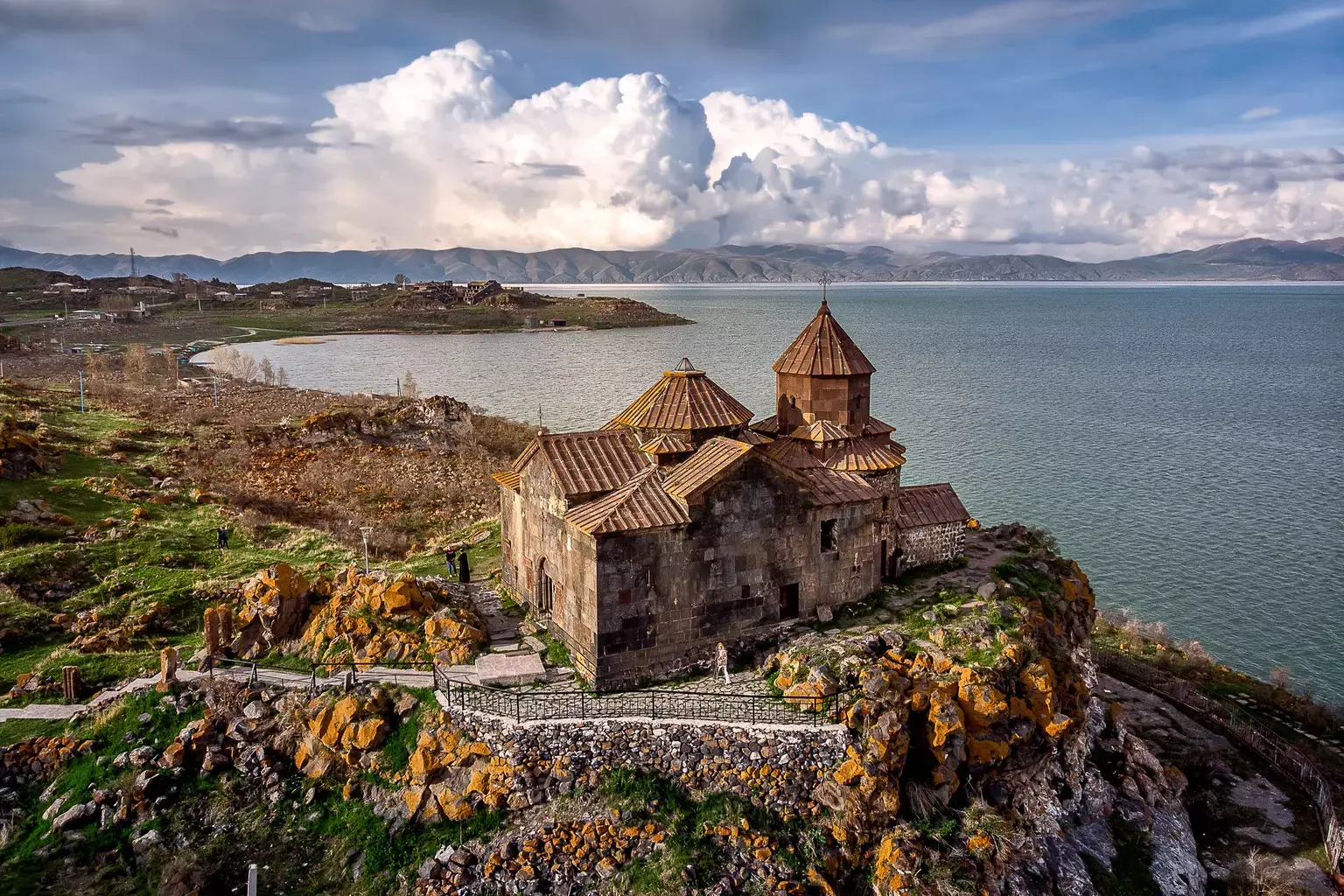
Armenia is one of those places that gets under your skin quietly and stays there.
It is one of the world's oldest Christian nations, and that history isn't locked away in museums - it's carved into monasteries perched on cliffsides, built into churches that have stood through empires and earthquakes, felt in the way faith still shapes everyday life here. Nowhere is that more striking than with Mount Ararat on the horizon, a mountain that belongs to a neighbouring country yet feels inseparable from Armenian identity.
Yerevan surprises most visitors. The pink stone city is warmer, more stylish, and more alive than they expected. Lake Sevan is vast and still and beautiful. The canyon at Tatev makes you stop and just look.
And then there's the food, the brandy, the hospitality - the sense that sitting at someone's table here is never just a meal, but something closer to a ritual.
At Anur Tour, we'll take you through all of it — thoughtfully, unhurriedly, and with the kind of local knowledge that turns a great trip into a lasting one.
Our Services
Tourist information Armenia
- 1. Why Country Feels Different
- 2. Visa & Entry - Easy to Navigate
- 3. Is Armenia Safe?
- 4. The stuff most Guides skip (yet you should really catch it)
- 5. Comfort level is higher than you expected
- 6. Top Experiences
- 7. Best timing for your trip (season based traveling)
- 8. Culture, lifestyle, & Reality
- 9. Cultural Etiquette & Dress Code
- 10. Food Experience in Armenia
- 11. Things You Should Know Before You Go Packing (Based on Season)
- 12. Why It’s Great for Modern Travelers
- 13. Our Services
- 14. Language & communication
- 15. Health & Insurance
- 16. Electricity, plugs & adapters
- 17. Emergency Contacts & Embassy Information in Armenia
- 18. What to buy from Armenia
- 19. Festivals & public holidays
Why Country Feels Different
A lot of antiquity in every area
The oldest civilization in the world, history can be found in the form of old monasteries and stone churches, as well as ancient ruins and monuments; these are not just historical landmarks, but integral parts of everyday Armenian life and culture.
Stunning mountain views
A dramatic panorama of mountains and valleys spread across the landscape of Armenia providing fantastic, seasonal beauty. Laced with calming lakes and winding roads it provides something for lovers of outdoors and photography, and indeed a chance for quiet relaxation.
Hearty and Warm Hospitality
It's likely that the welcome received is one of the first things noted when arriving in Armenia; hospitality comes naturally to Armenians, it is heartfelt and more than just a polite hello- it truly makes a visitor feel at home.
Rich food history
The dishes cooked and served in Armenia are full of taste and traditions; not only do you eat perfectly cooked grilled meats, delicious homemade pastries, and fresh breads but the locally produced wine too truly gives a real sense of Armenia.
Old and new mix
While Armenians may pride themselves in tradition, they are very modern in their outlook, particularly in the capital where a mix of the old architecture and places of interest sit comfortably alongside modern, chic cafes, lively bars and contemporary art galleries.
A relaxing vacation
Visitors can escape the rush found at most tourist destinations and enjoy a slower, more relaxed pace, in doing so they have the chance to see and experience every aspect of Armenia on their journey.
A profoundly emotional trip
More can be discovered in Armenia than merely sight-seeing; the country is buzzing with stories and emotions.Many have experienced a deep sense of connection with the nation, its culture and inhabitants.
Visa & Entry - Easy to Navigate
Travel Made Easy
Visiting Armenia is straightforward and traveler-friendly. Many nationalities can enter visa-free, while others can quickly apply through a simple online e-visa system.
Key Entry Facts
Visa-free stay available for many countries (up to 90–180 days depending on nationality)
Fast e-visa processing (usually 3–5 business days)
No embassy visit required - fully online application
Passport should be valid for at least 6 months
Entry through Yerevan International Airport and select land borders
Smooth Arrival Experience
Armenia is known for its quick and welcoming immigration process. Most travelers experience minimal waiting time and simple document checks upon arrival.
Travel Flexibility
- Single and multiple-entry visa options available (depending on eligibility)
- Short-term visitors usually don’t require local registration
- Extensions may be possible depending on visa type
We Make It Easier for You
Planning your trip shouldn’t be complicated. We help you handle the details so you can focus on the journey.
Is Armenia Safe?
Overall safety in Armenia for tourists is good, particularly in main tourist spots. You can expect low numbers of violent crime, and a peaceful, uneventful visit.
Safety in cities
Yerevan in particular is an easily walkably city, and friendly for travellers during evenings. Ca fs, sights and central areas can all be enjoyed without worries.
Low crime conditions
Crime levels, especially pick-pocketing, are very low but do exist. Take normal precautions for tourist areas that may attract attention and you should have no issues.
Transport and travel
Taxis and ride sharing apps work reliably and securely. You will likely see many locals use public transport to travel, so it’s widely available for travellers as well.
Nature and remoteness
Safety within mountains and rural areas should be good, however if traveling to such areas, make sure to:
- Get a guide if hiking off trail.
- Be aware of changing weather conditions.
- Remain on marked tracks when off-path.
Local attitude toward tourists
The locals will be welcoming and accommodating in their attitude towards tourists. If needed, people will gladly lend a hand.
Important note
As with any country, awareness of your surroundings and the security of your valuables, combined with an adherence to local guidelines, are your most important tools in ensuring a safe trip.
The stuff most Guides skip (yet you should really catch it)
Armenia looks compact, but travel feels layered and unpredictable
- Short distances can include major altitude changes (valleys → mountains in 1–2 hours)
- Road trips often feel like “mini climate changes” in one journey
- Maps underestimate travel time due to winding mountain roads
- Scenic stops are frequent and often unplanned
- The journey itself is usually more memorable than arrival
Living Heritage - History That Still Breathes
Historical places are not isolated ruins - they are part of daily life.
- Many monasteries are still active religious sites
- Locals visit for prayer, reflection, and family rituals
- Candles are commonly lit for personal intentions and memory
- Some sites host small ceremonies, weddings, or baptisms
- Architecture is often preserved in its original stone form, not reconstructed
Café Culture - Where Time Expands
Cafés are social spaces, not quick stops.
- People commonly stay 1–3 hours per visit
- Cafés are used for meetings, studying, and socializing equally
- No strong pressure to “turn tables quickly”
- Conversations often mix personal life and work topics
- Many cafés double as creative or artistic spaces
Hospitality as a Natural Instinct
Hospitality is cultural behavior, not a tourist strategy.
- Guests are often offered food or tea immediately
- Refusing hospitality may feel socially awkward
- Invitations to homes can happen spontaneously
- Visitors are treated as “temporary family members”
- Generosity is often unplanned, not formal
Taxi Conversations - Unfiltered Cultural Archives
Taxi rides often become informal storytelling sessions.
- Drivers share personal opinions freely (history, politics, life stories)
- Conversations are rarely scripted or “tourist-friendly”
- Many drivers speak about Soviet-era experiences
- Local humor and slang are often introduced naturally
- Each ride can feel like a mini cultural lesson
Spiritual Atmosphere - Quiet, Personal, Unforced
Spiritual spaces are calm rather than theatrical
- Silence is expected and respected inside churches
- Visitors often light candles individually, not in groups
- No strict tourist flow or loud guiding inside most sites
- Emotional visits (grief, gratitude, hope) are common
- Photography is often secondary to presence
Silence Outside Cities - A Physical Experience
Rural and mountain areas feel unusually quiet.
- Minimal traffic noise outside main roads
- Wind and nature sounds become dominant
- Long stretches without visible settlements are common
- Night silence feels especially deep and noticeable
- Many travelers describe it as “mental reset”
Seasonal Life - Everything Changes With Time
Daily life shifts strongly with the seasons.
- Summer = fruit abundance, outdoor gatherings, late evenings
- Autumn = harvest markets and village activity peaks
- Winter = slower pace, indoor social life increases
- Spring = cultural renewal and nature revival
- Food availability strongly follows seasonal cycles
Coexisting Worlds - Ancient and Modern Together
Old and new exist without conflict or separation.
- Medieval churches near modern architecture
- Traditional crafts still produced alongside digital startups
- Folk music influences modern pop and experimental art
- Historical aesthetics are used in contemporary design
- Cultural identity is layered, not replaced
Nighttime Identity - A Softer Version of the Country
Night reveals a different emotional tone.
- Streets become quieter very quickly after evening hours
- Social life shifts into cafés and small gatherings
- City centers feel more relaxed and less formal
- Lighting creates a warm, calm atmosphere
- Conversations tend to become deeper and slower
Comfort level is higher than you expected
There’s a common pattern with travelers here: they arrive expecting something “simple” or slightly rustic… and leave surprised by how easy, smooth, and genuinely comfortable everything feels.
First Impression: Everything Just Works
Nothing feels complicated or overwhelming when you land. You step out, and the country already feels usable.
- Airport arrival is quick and low-stress
- Transport is immediately available without confusion
- Basic navigation feels intuitive even on day one
- No chaotic “tourist rush” atmosphere
Yerevan: A City That Doesn’t Exhaust You
The capital doesn’t demand energy from you - it gives it back.
- Walkable layout with naturally short distances
- Streets are wide, open, and easy to orient
- Cafés everywhere so you can pause anytime
- Movement feels calm, not rushed or crowded
Getting Around Feels Effortless
You don’t spend mental energy figuring things out.
- Taxis and ride apps are simple and widely used
- Routes are predictable and familiar to drivers
- Pricing is generally transparent in apps
- Even first-time visitors adjust quickly
Stay Experience: Quietly Above Expectation
Comfort often comes from how “normal” everything feels in a good way.
- Clean, modern hotels in most categories
- Guesthouses feel personal, not improvised
- Reliable Wi-Fi and basic facilities everywhere
- Service is helpful without being formal or rigid
Food Experience: Easy Comfort, Not Complexity
You don’t need to “adapt” - you just enjoy.
- Familiar textures and hearty meals
- Fresh, simple ingredients dominate menus
- Portions are generous and satisfying
- Eating out feels relaxed, not intimidating
Human Factor: Things Become Easier Because of People
A lot of comfort here comes from interaction, not infrastructure.
- Locals are naturally helpful in everyday situations
- Small language barriers rarely stop communication
- Visitors are treated normally, not distantly
- You don’t feel like an outsider for long
Atmosphere: No Constant Pressure
The country has a low-background-stress feeling.
- Cities are not overly loud or chaotic
- Evening life feels calm and steady
- Public spaces are easy to exist in, not perform in
- You don’t feel rushed to “do everything”
Top Experiences
Yerevan - The Pink Capital
The heart of Armenia and the starting point for most journeys.
- Republic Square with its famous evening fountain show
- Cascade Complex with panoramic city views
- Modern cafés, museums, and nightlife
- Walkable city center with relaxed energy
Garni Temple
A rare piece of pre-Christian architecture in the region.
- Ancient Greco-Roman style pagan temple
- Stunning cliffside location above Azat River Gorge
- Popular photo spot with dramatic views
- Often combined with Geghard Monastery trip
Geghard Monastery
One of the most atmospheric religious sites.
- Partially carved into the mountain rock
- UNESCO World Heritage Site
- Surrounded by canyon landscapes
- Known for powerful acoustics and silence
Lake Sevan
Armenia’s most famous natural attraction.
- One of the largest high-altitude lakes in the world
- Sevanavank Monastery on the peninsula
- Summer swimming, beaches, and seafood
- Popular escape from Yerevan heat
Tatev Monastery & Wings of Tatev Cable Car
One of the country’s most dramatic experiences.
- Cliffside monastery overlooking deep gorge
- “Wings of Tatev” - one of the world’s longest cable cars
- Epic mountain and canyon views
- Strong historical and spiritual atmosphere
Areni Wine Region
Famous for Armenia’s ancient winemaking tradition.
- Wine tastings in local cellars
- Scenic vineyards and village life
- Connection to one of the world’s oldest wine cultures
- Relaxed countryside experience
Areni Cave Complex
Ancient cave site with archaeological importance.
- Oldest known wine production evidence
- Quiet, uncrowded historical site
- Surrounded by red canyon landscapes
Noravank Canyon
A cinematic drive through red rock formations.
- Monastery framed by dramatic cliffs
- Constantly changing light and colors
- One of the most photogenic routes in Armenia
Khndzoresk Cave Village
A surreal abandoned village experience.
- Cliffside cave homes carved into rock
- Suspension bridge across deep gorge
- Strong historical atmosphere
Lake Kari (Mount Aragats)
High-altitude hidden escape.
- Located near Armenia’s highest peak
- Cold, crystal-clear mountain lake
-Very few tourists compared to Lake Sevan
Amberd Fortress
Remote fortress with dramatic mountain views.
- Medieval structure on volcanic slopes
- Often covered in mist and clouds
- Quiet and powerful atmosphere
Best timing for your trip (season based traveling)
Spring (April – June) - the Most Balanced Season
The best season to do: city breaks, nature, pleasant weather
How it will be like:
- Green in everywhere you look
- Temperature is mild and warm enough for walking and hiking
- Waterfalls and mountains will look their most alive and most vivid.
- It's off season so less touristy than summer time.
When to select spring:
- It is good season for combining city and nature trip.
- It is also good for the monasteries and the routes, and hikes.
- Everything will look alive.
Summer (July-August) - Warm, Busy, and Social
The best season to do: Lake Sevan, festival and nightlife
How it will be like:
- The weather in Yerevan is hot. But on mountains and Sevan lake it is mild.
- Lake Sevan becomes the best destination.
- Longer evenings; the city will look energetic in the evening.
- It is peak season so it is very busy.
When to select summer:
- Swiming and beaches.
- Festival season.
- Lots of cafes and night clubs.
Autumn (September-October) - the Golden Season
The best season to visit in the year.
How it will be like:
- Warm during the day and cool in the evening.
- Mountains and vineyards will be golden in colors.
- It will be calmer and more romantic.
- Harvest time is all around.
When to select autumn:
- The best weather and beauty combined together.
- You will be able to see the landscapes very clearly from the mountains.
- Wine season in regions like Areni.
- Not so many tourists.
Winter (November-March) - Quiet and Atmospheric
The best season to do: snowing scenery, calm traveling, skiing
How it will be like:
- The city will be all snowy, quiet.
- Nice warm cafes to relax, and culture.
- No tourists all around.
- Strong winter in some regions.
- When to select winter:
- Skiing resorts, like Tsaghkadzor.
- Cheap traveling offers available.
- You will be able to feel the real Armenia, non-touristic.
- Snow monasteries, which look gorgeous covered with snow.
Culture, lifestyle, & Reality
Armenia isn’t just a destination with history and landscapes - it’s a place where daily life is shaped by strong traditions, modern shifts, and a very human rhythm of living. What you see as a visitor is only part of the picture; the real depth is in how people live every day.
Culture - Deep Roots, Strong Identity
Identity is Historical and Emotional
- Strong connection to ancient heritage and national history
- Cultural pride is visible in language, food, and traditions
- Family and homeland play a central role in identity
- History is not just remembered - it is emotionally felt
Religion is Quiet but Present
- Christianity is deeply embedded in culture
- Churches are active parts of community life
- Faith is more personal than performative
- Traditions are respected even in modern daily routines
Music, Art & Expression
- Folk music influences modern culture
- Street art and contemporary design are growing fast
- Traditional instruments still appear in celebrations
- Creative scene is small but very expressive
Lifestyle - Simple, Social, Grounded
Social Life Revolves Around Gathering
- Cafés are key meeting spaces, not just dining spots
- People prefer long conversations over fast meetings
- Friends and family gatherings are very frequent
- Hospitality often extends social circles
Food is Everyday Culture
- Meals are shared and rarely rushed
- Homemade-style cooking is highly valued
- Bread, grilled dishes, and fresh produce are staples
- Eating together is a form of connection
City Life Feels Manageable
- Yerevan is busy but not overwhelming
- Walking is a normal part of daily life
- Public spaces are used for relaxation, not just transit
- Life moves at a steady, human pace
Reality - What Travel Guides Don’t Fully Show
Contrast Between Old and New
- Modern cafés exist beside Soviet-era buildings
- Young generation is highly connected globally
- Traditional values still shape decision-making
- The country is evolving, not replacing its identity
Economy & Daily Practical Life
- Work culture is often stable but not fast-paced
- Many people rely on multiple income streams or family support
- Prices are generally affordable compared to Europe
- Service sector is growing, especially in tourism and IT
Mindset of People
- Direct communication style (honest, not overly formal)
- Strong sense of resilience and adaptability
- High value placed on respect and relationships
- Community support is important in everyday life
Everyday Atmosphere
- Cities feel safe and calm in most areas
- Evenings are social but not chaotic
- Life is visible, not hidden - people spend time outside
- There is a balance between activity and stillness
Cultural Etiquette & Dress Code
Understanding local etiquette in Armenia is simple - it’s less about strict rules and more about respect, modesty, and awareness of context. Most travelers find it very intuitive once they arrive.
Respectful Behavior Goes a Long Way
- Politeness is valued in everyday interactions
- A simple greeting is appreciated when entering shops or cafés
- Speaking calmly and respectfully is seen as good manners
- Interrupting or being overly loud is generally avoided
Hospitality Is a Two-Way Experience
- If you are offered tea, food, or help - it is often genuine
- Accepting small gestures is considered polite
- Refusing too quickly can sometimes feel distant
- Conversations with locals are often warm and personal
Behavior in Religious Sites
- Churches and monasteries are active cultural spaces
- Silence or low voice is expected inside
- Photography may be restricted in some areas
- Lighting candles is a common local practice
- Respectful clothing and calm behavior are important
Communication Style
- People can be direct but not rude
- Humor and honesty are common in conversation
- English is widely understood in tourist areas, Russian is also common
- Small misunderstandings are usually handled patiently
Dress Code - Simple, Practical & Respectful
Everyday Clothing
- Casual, comfortable clothing is widely accepted
- No strict dress codes in cities
- Locals dress modestly but modern and stylish
- Comfortable shoes are essential for walking
When Visiting Churches or Monasteries
- Shoulders and knees should be covered (especially for women)
- Avoid overly revealing outfits in sacred spaces
- Scarves or light layers are useful for spontaneous visits
- Modesty is more important than fashion rules
Nature & Travel Clothing
- Layered clothing is recommended due to changing weather
- Mountains and rural areas can be cooler even in summer
- Sun protection is important in open landscapes
- Practical outfits are preferred over formal wear
City Style (Yerevan Example)
- Modern, European-inspired casual fashion
- Cafés and nightlife often feature stylish but relaxed outfits
- No strict expectations - comfort and confidence matter most
- People tend to dress neatly but not formally
Food Experience in Armenia
Armenian food culture is not just about dishes - it’s about rituals, timing, family habits, and how food shapes everyday life. Below is a deeper, more realistic layer of the experience.
Bread is a Daily Language, Not Just Food
- Lavash is baked in tonir ovens that are still widely used today
- Bread is almost never thrown away - it is treated with respect
- Families often bake in batches for several days or events
- Wrapping food in lavash is more common than using cutlery in some settings
- In rural areas, bread-making is still a shared household activity
Khorovats - More Than BBQ
- Cooking is often done outdoors in groups, not individually
- Men usually gather around the fire - it’s a social ritual
- Vegetables are grilled alongside meat (tomatoes, eggplant, peppers)
- Preparation is as important as eating - it becomes an event
- Recipes are rarely written - they are passed by experience
Harissa - Food With Historical Memory
- Traditionally cooked for religious or commemorative days
- Requires hours of slow stirring - often shared among family members
- Texture is intentionally simple, but very filling
- Symbol of endurance and community survival
- Still prepared during special gatherings in many regions
Spas - Everyday Comfort Dish
- Found in almost every household, not just restaurants
- Eaten in both hot summers and cold winters
- Considered light but nourishing, especially for daily balance
- Often homemade using fermented yogurt culture passed through families
- Sometimes served as a starter before heavier meals
Cheese Culture - Always on the Table
- Cheese is not optional - it is a constant presence
- Chechil (braided cheese) is often eaten as a snack with tea or wine
- Soft cheeses are paired with herbs like basil, dill, and parsley
- Breakfast often includes bread + cheese + fresh vegetables
-Homemade cheese is still common in rural households
Wine as Cultural Memory
- Winemaking in Armenia dates back thousands of years
- Many families still produce small personal batches
- Wine is often served without ceremony - simply as part of hospitality
- Toasting traditions carry emotional and social meaning
- Wine cellars are often part of family homes in villages
Manti - Food That Feels Handmade
- Small dumplings are often prepared in large family batches
- Baking trays of manti are shared among many people
- Yogurt and garlic sauce is a standard pairing
- Texture varies by region and household style
- Preparation is often a group activity, not individual cooking
Vegetables Are Treated as Main Characters
- Eggplant, tomato, pepper, and herbs dominate many dishes
- Grilling and roasting are more common than frying
- Seasonal vegetables define what is cooked daily
- Pickled vegetables are always available on tables
- Meals are often more balanced than heavy
Homemade Sweet Culture
- Gata is often baked for guests, not just consumption
- Honey, nuts, and dried fruits are widely used in desserts
- Many sweets are prepared at home rather than bought
- Tea is usually paired with something sweet or baked
- Hospitality often includes offering sweets first
Food Is Always Social
- Eating alone is less common in traditional settings
- Guests are often offered more food than they can finish
- Refusing food too quickly can be seen as polite resistance
- Meals often last longer than expected due to conversation
- Food is a reason for gathering, not just nourishment
Things You Should Know Before You Go Packing (Based on Season)
Packing for Armenia isn’t complicated - but the mistake most travelers make is underestimating how quickly weather and terrain change. You can experience sun, wind, and mountain cold on the same day.
Spring (April – June) - Layers Are Everything
Spring is beautiful, but unpredictable.
What to pack:
- Light jacket + warm layer (weather shifts fast)
- Comfortable walking shoes (city + nature mix)
- Sunglasses + light scarf
- Light waterproof jacket (occasional rain)
What to know:
- Mornings and evenings can still feel cold
- Mountains are greener but windier than expected
- Best season for walking tours and monastery visits
Summer (July – August) - Hot Cities, Cool Mountains
Summer is split between heat and escape zones.
What to pack:
- Light cotton clothes (breathable fabrics)
- Hat / cap + sunscreen (strong sun in open areas)
- Swimwear (Lake Sevan is a must)
- Light evening jacket (mountains can cool down)
What to know:
- Yerevan can get very hot during midday
- Evenings are pleasant and social
- Mountains are your natural “air conditioning” escape
Autumn (September – October) - The Most Balanced Season
This is the most comfortable and visually rich time.
What to pack:
- Light jacket + sweaters
- Comfortable shoes for long walking
- Layered outfits (temperature changes daily)
- Slightly warmer clothes for evenings
What to know:
- Days are warm, nights get cool quickly
- Perfect weather for road trips and vineyards
- Best visibility for landscapes and photography
Winter (November – March) - Cold, Quiet, Atmospheric
Winter is peaceful but requires proper preparation.
What to pack:
- Warm winter coat (wind-resistant preferred)
- Gloves, scarf, hat
- Thermal layers (especially for mountain trips)
- Waterproof boots or sturdy shoes
What to know:
- Snow is common in many regions
- Cities remain active but slower in rhythm
- Mountains can become very cold and icy
- Ski areas like Tsaghkadzor become popular
Universal Packing Tips (All Seasons)
Essentials:
- Passport + copies of documents
- Power bank (long travel days possible)
- Cash + card (both widely used)
Comfort items:
- Always choose comfortable walking shoes
- Layering is more important than heavy outfits
- Small backpack for day trips
Travel reality:
- Roads to nature spots can be uneven
- Weather can change within hours
- Modest clothing is useful for monastery visits
Why It’s Great for Modern Travelers
Armenia fits perfectly into what modern travelers actually want today: authenticity, ease, affordability, and meaningful experiences without overcrowding or over-commercialization.
Authentic, Not Over-Touristed
-
- Still feels undiscovered compared to mainstream destinations
-
- No overwhelming tourist crowds at most attractions
-
- Experiences feel local, not staged
-
- Easier to connect with real culture and daily life
Easy to Navigate for Independent Travelers
-
- Strong mobile internet coverage in cities
-
- Ride apps make transport simple and transparent
-
- Google Maps works reliably in most areas
-
- Cafés and public spaces are laptop-friendly
Affordable Without Feeling “Low Quality”
-
- Hotels and guesthouses offer strong value for money
-
- Food is inexpensive but rich and filling
-
- Transport costs are generally low
-
- You can travel comfortably without luxury budgets
Remote-Work Friendly Lifestyle
-
- Cafés with relaxed, long-stay culture
-
- Calm environment for focus and creativity
-
- No aggressive fast-paced urban pressure
-
- Increasing number of modern coworking spaces
Human Connection Is Easy
-
- Locals are open and approachable
-
- Conversations feel natural, not transactional
-
- Hospitality is genuine and spontaneous
-
- You don’t feel like “just a tourist”
Nature Is Close and Accessible
-
- Mountains, lakes, and monasteries are often 1–3 hours away
-
- No complicated logistics to reach scenic spots
-
- Perfect for weekend-style adventures
-
- Great balance between city life and nature
Slow Travel Without Boredom
-
- Calm pace, but still rich in things to explore
-
- No pressure to “rush sightseeing lists”
-
- Easy to enjoy long stays without fatigue
-
- Each region offers a different atmosphere
Highly “Instagrammable” but Still Real
-
- Dramatic landscapes and ancient architecture
-
- Natural lighting and cinematic scenery everywhere
-
- But still feels authentic, not staged for content
-
- Perfect balance for creators and travelers
Our Services
Travel to Armenia with fully organized, stress-free, and experience-driven tour services designed for modern travelers.
We don’t just arrange trips - we build complete Armenia experiences with comfort, culture, and hidden discoveries.
Accommodation in Armenia
Stay in the right place, not just any place.
- Handpicked hotels in Yerevan, Dilijan, Sevan & southern regions
- Boutique stays with local character
- Comfort-focused guesthouses in nature areas
- Verified quality, clean standards, and central locations
- Options for budget, mid-range, and premium travelers
Transport & Transfers Across Armenia
Smooth movement through cities, mountains, and villages.
- Airport pickup from Zvartnots International Airport
- Private drivers for city tours and long-distance routes
- Comfortable SUVs/minivans for mountain roads
- Flexible daily transport arrangements
- Safe and experienced local drivers
Guided Armenia Tours
Explore Armenia with real local understanding.
- Yerevan city tours (history + modern lifestyle)
- Garni Temple & Geghard Monastery experience
- Lake Sevan & Sevanavank excursion
- Tatev Monastery & Wings of Tatev cable car tour
- Cultural storytelling by local guides
Nature & Hidden Gem Experiences
Go beyond standard tourist routes.
- Noravank Canyon & red rock landscapes
- Khndzoresk cave village adventure
- Lake Kari & Mount Aragats routes
- Quiet monasteries off the main tourist flow
- Scenic road trips through mountain passes
Food & Wine Experiences
Taste Armenia through its traditions.
- Traditional Armenian home-style meals
- Khorovats (BBQ) cultural dining experiences
- Wine tasting in Areni region
- Local market visits and seasonal food tours
- Authentic village cooking experiences
Visa & Entry Assistance
Simple guidance before you travel.
- Visa requirement consultation for Armenia
- Step-by-step e-visa support
- Document checking and application help
- Updated travel entry information
- Pre-arrival guidance and checklist
Custom Armenia Itineraries
Travel designed around your pace and style.
- 3–10 day flexible tour programs
- Mix of culture, nature, and relaxation
- Hidden gems + famous landmarks combined
- Private or group travel planning
- Seasonal route optimization
On-Trip Support
We stay with you throughout your journey.
- 24/7 assistance during your trip
- Fast solutions for changes or requests
- Local coordination support
- Emergency travel help if needed
Why Choose Anur Tour for Armenia
Because we focus on what most tours miss:
- No rushed schedules
- No confusing planning
- Balanced comfort + real cultural depth
- Carefully designed travel flow
- Authentic Armenia, not just sightseeing
Language & communication
Travel in Armenia is easy even if you don’t speak the language - but knowing a few basic words can make your experience much warmer, friendlier, and more connected with locals.
Word (Latin transcription) | Meaning |
Barev | Hello |
Shnorhakalutyun | Thank you |
Khndrum em | Please / You’re welcome |
Khndrum em | Sorry / Excuse me |
Ayo | Yes |
Voch | No |
C’hem haskanum | I don’t understand |
Khosum ek angleren? | Do you speak English? |
Vorteg e…? | Where is…? |
Vorkan e? | How much is it? |
Hamegh e | It’s delicious |
Health & Insurance
Traveling in Armenia is generally safe and straightforward, but like any international trip, having basic health awareness and proper travel insurance makes your journey much more secure and stress-free.
Healthcare System Overview
- Armenia has both public and private healthcare facilities
- Private clinics in Yerevan offer better service for travelers
- Doctors in cities often speak basic English or Russian
- Emergency care is available in major urban areas
- Rural medical facilities may be more limited
Pharmacies & Medication
- Pharmacies are widely available in cities and towns
- Many common medicines can be bought without prescription
- Staff can usually help with basic health advice
- It’s best to carry personal essential medications with you
- Brand names may differ from what you’re used to
Emergency Services
- Emergency number is 103 (ambulance)
- Response times are generally better in cities
- Private hospitals may provide faster service options
- Always keep hotel address written or saved on phone
Travel Insurance (Highly Recommended)
- Strongly recommended for all travelers
- Should cover medical treatment and emergency evacuation
- Useful for unexpected illness, accidents, or trip delays
- Especially important for hiking and mountain activities
- Choose coverage that includes adventure or nature travel if needed
Safety & Risk Level
- Armenia is generally considered a low-risk travel destination
- No major health hazards specific to tourists
- Main risks are typical travel issues (food sensitivity, weather, minor injuries)
- Mountain and rural travel requires basic caution
Climate & Health Tips
- Summer can be hot in Yerevan - stay hydrated
- Mountain areas can be cold even in warm seasons
- Sun protection is important during outdoor travel
- Sudden weather changes are common in high-altitude regions
Electricity, plugs & adapters
Before traveling, it’s good to know that Armenia uses a very standard and traveler-friendly electrical system, so staying charged is usually simple and hassle-free.
Voltage & Frequency
Standard voltage: 230V
Frequency: 50Hz
This is the same as most of Europe and many Asian countries
Most modern devices (phones, laptops, cameras) work without a converter
Plug Types Used
Common plug types: Type C and Type F
Two round-pin European-style sockets
Widely compatible across hotels, cafés, and apartments
Do You Need an Adapter?
Yes, if your country uses UK, US, or different plug types
A universal travel adapter is the safest option
Hotels may sometimes provide adapters, but not guaranteed
Charging Availability
Hotels usually have multiple charging points
Cafés in Yerevan often allow device charging
Power outlets are generally easy to find in cities
Rural areas may have fewer sockets in guesthouses
Practical Tips
Bring a power bank for long day trips
Use a surge-protected adapter for expensive electronics
Carry a multi-port charger if traveling with multiple devices
Charging in mountain areas may be limited
Emergency Contacts & Embassy Information in Armenia
Knowing how to get in touch in an emergency is vital to travelling confidently and safely. Armenia is considered safe for travelers, but it's always a good idea to have important numbers and embassy details on you.
Emergency Numbers
Here are the nationwide numbers that can be used:
- 112 – The general emergency number (for police, ambulance, and fire)
- 102 – Police
- 103 – Ambulance
- 101 – Fire service
- 112 is by far the simplest to remember as a catch-all.
Medical Assistance
Ambulance service is available throughout towns and cities, while Yerevan also has private hospitals which generally provide quicker, and more comfortable care, and many doctors and hospital staff speak either Russian or English. Many small health issues can be solved at pharmacies that are found everywhere. Always keep your current location and hotel name stored in your mobile phone.
Police Assistance
The police force can also assist you, especially if something has been lost, or if there is an issue of safety. The popular tourist areas are normally closely monitored, and Communication should normally be calm, polite and informative, though it's always advisable to be polite and concise with information at all times.
Embassies & Consulates
Embassies for many countries are based in Yerevan (the capital city) which can assist with issues relating to passport problems, legal problems or emergencies. Some services will depend on your nationality and you will always want to keep either a hard copy or a digital version of your passport, and visa information if necessary, separate from yourself at all times.
Smart Travel Safety Tips
- Pre-store relevant emergency numbers in your phone.
- Save your embassy's contact details to your phone before you arrive.
- Hotel reception can also act as a first point of support if you're unsure.
- Let someone know your whereabouts while travelling if you're concerned.
- Store your important documents in separate secure places.
What to buy from Armenia
Herbal Mountain Teas
- Wild herbs collected from Armenian highlands
- Thyme, mint, chamomile, and alpine blends
- Often sold in simple handmade bundles
- Very aromatic and naturally grown
- A small but very “local lifestyle” souvenir
Natural Handmade Soap & Skincare
- Soaps made from apricot oil, honey, or herbs
- Pomegranate-based skincare products
- Small eco-brands and local workshops
- Chemical-free, simple production style
- Popular with travelers who like natural products
Wooden Handicrafts
- Hand-carved kitchen items (spoons, bowls)
- Small decorative figures
- Religious or cultural carvings
- Made by local artisans in villages
- Each piece feels slightly different and handmade
Artisan Chocolate with Local Flavors
- Chocolate with dried apricots, nuts, or mulberries
- Small boutique chocolate brands in Yerevan
- Unique fusion of European style + Armenian ingredients
- Easy gift but still very local in taste
Traditional Spice Mixes
- BBQ spice blends used for khorovats
- Dried herbs from mountain regions
- Simple but very aromatic seasoning packs
- A way to bring Armenian cooking home
Homemade Pickled Vegetables
- Pickled cucumbers, tomatoes, cabbage, eggplant
- Often made in small batches by families
- Strong part of Armenian daily meals
- Very authentic but only if packed properly for travel
Felt & Wool Crafts
- Handmade wool socks, slippers, and small décor
- Traditional techniques used in rural areas
- Warm, simple, and very local-style products
- Especially nice if you visit in colder seasons
Festivals & public holidays
Armenia celebrates a mix of religious traditions, family holidays, national events, and lively cultural festivals throughout the year. Some celebrations are emotional and spiritual, while others are energetic, social, and filled with food, music, and local traditions.
New Year Holidays (January 1–2)
The most widely celebrated holiday season in Armenia.
- Large family dinners and home gatherings
- Decorated streets and festive atmosphere
- Fireworks, concerts, and celebrations in Yerevan
- Many people celebrate for several days
One of the biggest social holidays of the year
Armenian Christmas (January 6)
Armenia celebrates Christmas according to ancient Christian tradition.
- Church visits and candle-lighting ceremonies
- Traditional meals with relatives
- Calm, spiritual, family-focused atmosphere
- Important religious celebration nationwide
Women’s Day (March 8)
Very popular and actively celebrated.
- Flowers and gifts are commonly given
- Restaurants and cafés become busy
- Warm and festive atmosphere across cities
Still strongly celebrated in everyday culture
Motherhood & Beauty Day (April 7)
A unique Armenian celebration dedicated to women and mothers.
- Continues the “women’s celebration season” after March 8
- Families spend time together
- Flowers and gifts remain common
A very local and meaningful modern holiday
Easter (Zatik)
One of the most important religious holidays.
- Church services and family gatherings
- Traditional Easter meals and dyed eggs
- Strong spiritual and cultural traditions
Widely celebrated across generations
Blessing of Grapes (August)
Ancient Christian tradition connected to harvest season.
- Grapes are brought to churches for blessing
- Celebrated with family meals and gatherings
- Strong connection between religion and agriculture
Very uniquely Armenian atmosphere
Independence Day (September 21)
National celebration of Armenia’s independence.
- Public concerts and fireworks
- Patriotic events and performances
- Celebrations especially active in Yerevan
Famous Festivals in Armenia
Vardavar Water Festival
One of the country’s most famous traditions.
- People splash water on everyone in public
- Fun and spontaneous atmosphere nationwide
- Celebrated during hot summer days
- Ancient roots mixed with modern celebration
Tourists often love participating in it
Areni Wine Festival
Celebration of Armenia’s ancient wine culture.
- Wine tasting and traditional food
- Folk dance and music performances
- Local artisan markets and village atmosphere
One of the best cultural food festivals
Gata Festival
Festival dedicated to Armenia’s famous pastry.
- Giant gata baking events
- Traditional village-style celebrations
- Music, crafts, and local food experiences
Yerevan Wine Days
Modern street wine festival in the capital.
- Open-air wine tasting events
- Live music and food streets
- Young, social, and energetic atmosphere
Popular among both locals and tourists