 Central Asia & Caucasus DMC
Tajikistan travel
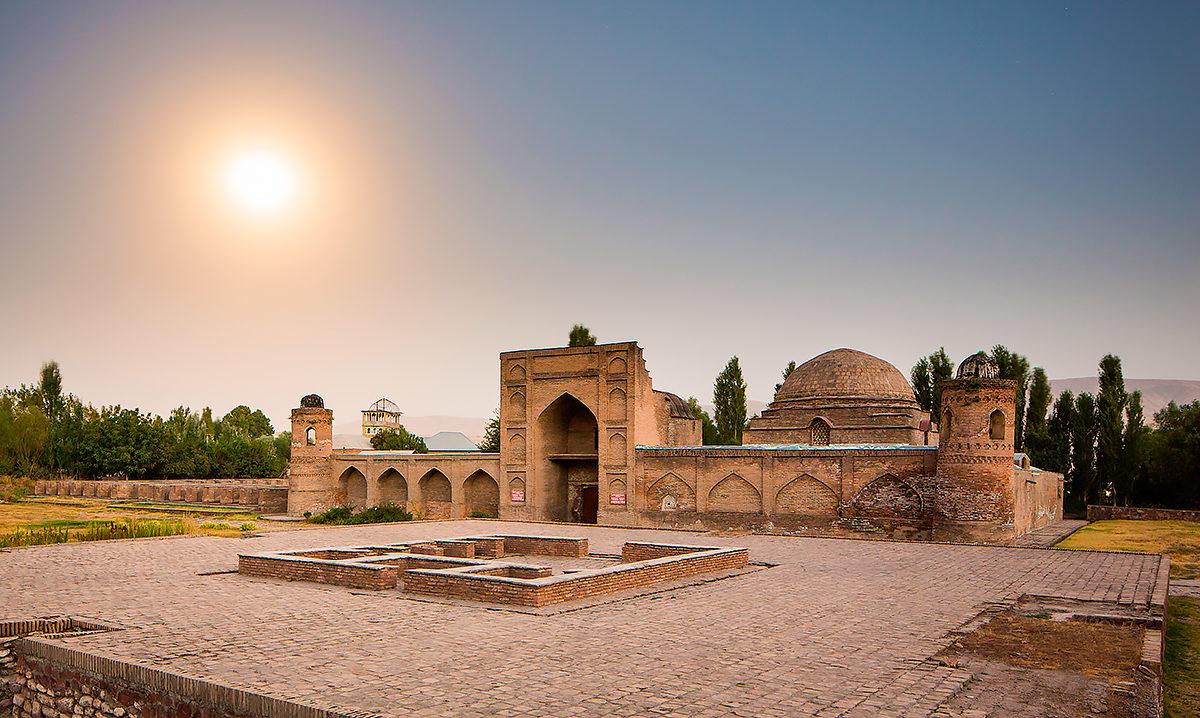
Tajikistan doesn't make it onto many travel lists. That's precisely what makes it worth going.
This is a country of serious mountains - the Pamir's rising to heights that feel closer to the sky than to anything else - and of quiet valleys where small communities have lived alongside ancient Silk Road trails for centuries. Persian culture runs deep here, not as heritage on display, but as something simply present in the language, the food, the way people go about their days.
Dushanbe is unhurried in the best possible sense. The lakes are the clearest you'll ever see. And the Pamir Highway is the kind of road that stays with you long after you've left it.
Tajikistan rewards a particular kind of traveler - one who isn't chasing highlights, but is genuinely open to being somewhere remote, raw, and quietly beautiful.
At Anur Tour, we know this country well. We'll make sure you do too.
Our Services
Tourist information Tajikistan
- 1. Why Tajikistan Feels Different
- 2. Visa & Entry - Easy to Navigate
- 3. Is Tajikistan Safe?
- 4. What Most Guides Skip
- 5. Comfort level is higher than you expected
- 6. Top Experiences
- 7. Best Time to Visit Tajikistan (Seasonal Travel Guide)
- 8. Culture & Reality in Tajikistan
- 9. Cultural Etiquette & Dress Code in Tajikistan
- 10. Food Experience in Country
- 11. Things You Should Know Before You Go Packing (Based on Season)
- 12. Why Tajikistan Is Great for Modern Travelers
- 13. Our Services
- 14. Language & communication
- 15. Health & Insurance in Tajikistan
- 16. Electricity, Plugs & Adapters
- 17. Emergency Contacts & Embassy Information in Tajikistan
- 18. What to Buy from Tajikistan
- 19. Holidays & Festivals in Tajikistan
Why Tajikistan Feels Different
Raw, Untouched Nature
Out here, Tajikistan shows no signs of catering to travelers - its form comes straight from the earth. Towering peaks rise without warning, while steep gorges cut through quietly below. Roads twist on, not meant for speed but for passage. The land does not perform; it simply exists, raw and untouched.
Distance That Creates Silence
Out here, towns stretch wide between one another, while rural spots sit quiet, almost forgotten. Travel eats up time - long stretches where nothing breaks the stillness. This separation quiets more than sound; it clears thought too, opening room for slow thinking and pause.
A Life That Isn't Performed
Life unfolds naturally across Tajikistan, shaped by routine rather than spectacle. With no audience in mind, residents go about their days in quiet sincerity - moments arise without staging or pretense. What stands out is honesty woven into ordinary exchanges, untouched by performance. Genuine connection emerges because nothing is designed to impress.
Living Persian Heritage
Rooted in ancient Persia, everyday life breathes through words, customs, and verse. Far from frozen in time, it unfolds quietly within habits and beliefs.
Genuine Hospitality
Here, hospitality feels less like an act and more like breathing. People open their homes without calculation, guided by instinct rather than plan. Each meeting carries weight because it comes from presence, not performance. What stands out is how effortlessly kindness appears, woven into daily rhythm.
Slow Travel
Stillness finds you in Tajikistan - not through insistence, but quiet invitation. Movement slows when mountains fill the horizon without announcement. Each moment stretches beyond sightseeing into something deeper. Presence arrives quietly, not chased, but allowed.
Visa & Entry - Easy to Navigate
E Visa Main Entry Method
Most travelers heading to Tajikistan use the e-visa option. Built with ease in mind, it guides applicants step by step through registration - no lengthy paperwork required. Often finished within days, the process suits those planning trips without last-minute stress. Though online forms change slightly now and then, clarity remains a priority throughout. Accessible from nearly any country, the portal adapts to different time zones smoothly.
Visit the website to start your application process electronically via their main system
-Upload passport details and personal information.
-Electronic payment covers the visa cost.
-A response comes by email - typically after several days have passed.
Most travelers skip the embassy entirely under this system, which ranks among Central Asia’s simplest visa setups. One clear benefit stands out: fewer steps, less paperwork.
Types of Visas and Reasons for Travel
Entering as a visitor usually happens through a tourist e-visa, though business or transit entries exist too. Flexibility in the process tends to depend on how well you explain your purpose, given simple paperwork backs it up.
Length of Stay and How Long It’s Good For
A standard tourist e-visa typically allows:
- Lasting as long as a month, visitors may remain for thirty days at most.
- One entry point usually opens the system.
Beyond that span, access drops away completely. Entry becomes possible only during a set timeframe. Outside those bounds, nothing works. Timing defines whether the door stays open or shuts tight.
Perfect for brief cultural outings, driving excursions follow naturally, while adventurous routes fit just as well.
GBAO Permit Needed for Pamir Travel
Traveling through the Pamir Mountains? A GBAO permit - required for the region - is necessary. Heading along the Pamir Highway means this document cannot be skipped. Authorities enforce access rules strictly there. Without approval, entry gets denied outright. The process applies equally to all visitors. Remote terrain triggers these requirements. Permits support oversight in high-altitude zones. Officials monitor movement near borders closely. Paperwork often takes days to finalize.
Start early:
- Delays happen frequently.
- Approval comes from designated offices only.
- Third-party promises mean nothing here.
Key points:
- Required for travel in eastern mountainous regions.
- Direct inclusion tends to happen at the time of submitting an e-visa request.
- Access to essential adventure paths becomes limited in its absence.
- Among those who explore remote places, few factors matter more than this one detail.
- Passport Requirements
Before applying, ensure:
- Passport validity of at least 6 months beyond entry date.
- A few empty sheets, perhaps two, set aside for stamping. Pages without marks might work well here instead.
- One could leave space behind - a room where impressions fit neatly. Sometimes blank areas make sense when organizing collections slowly.
- Clear scanned copy for online application.
Main Entry Points
You Can Enter Tajikistan Through:
- Dushanbe International Airport (most common).
- Land borders from Uzbekistan or Kyrgyzstan (for overland travel).
Most newcomers find arriving by air less complicated. Crossing borders on foot often suits those trekking across Central Asia.
Registration and Stay Guidelines
- Varies by country of origin together with duration of visit.
- Most hotels complete registration without guest involvement.
- Long stays may require additional registration steps.
- Keep hotel receipts and documents during travel.
Border and Travel Realities
Though straightforward in theory, actual border encounters differ widely. Be prepared for inconsistencies
- Manual checks at land crossings.
- Slower processing in remote areas.
- Basic but functional immigration procedures.
Waiting quietly becomes part of the journey, particularly when moving across land. Sometimes stillness matters just as much as motion does during long trips by road or rail.
Practical Travel Tips
- Apply at least 1–2 weeks before travel.
- Print a copy of your visa and GBAO permit.
- Double-check entry requirements if combining countries (Uzbekistan, Kyrgyzstan, etc.).
- Keep digital backups of all documents.
Is Tajikistan Safe?
Most trips pass without incident once simple care is taken. Though rare, violent incidents involving visitors hardly ever occur. Especially along well-traveled paths such as the Pamir Highway and in urban centers like Dushanbe, safety levels stay high. For those moving through Tajikistan, risk remains low under normal conditions.
Cities Versus Remote Areas
Most days, Dushanbe feels steady - quiet sidewalks, few incidents. Larger towns follow a similar rhythm, without sudden disruptions. Safety in daily life matches what you might expect in any mid-sized city. Fewer worries about theft or harassment appear common. Routine precautions still make sense, even when risks stay minimal
Out here, far from cities, encounters with others rarely cause concern. Yet the land itself - steep, remote, often hidden under shifting weather - brings uncertainty that grows with every mile traveled. Distance stretches response times thin. Rugged slopes hide sudden changes beneath snow or rockfall. Calm one moment, disrupted the next by forces beyond control.
What stands out in Tajikistan isn’t danger from crime - instead, it's the challenge of getting around and how far places are from one another.
Mountain Travel in Pamir
- The Pamir Mountains Are Breathtaking But Remote.
- Limited medical facilities.
- Weak or no mobile signal in some areas.
- Long distances between settlements.
- Weather can change quickly.
- Preparation gains greater weight here, outweighing worries about safety.
Law & Order
- Where roads meet borders, officers stand watch. Cities host patrols that move through streets. Highways hold stops where vehicles slow. These points guard movement across regions.
- Routine document checks may happen during travel.
- Foreign visitors are generally treated respectfully.
- Formality shapes most exchanges, though issues rarely surface. While structure often guides communication, complications remain uncommon. Despite rigid patterns, trouble seldom appears. Because routines dominate, conflict stays minimal. Even with strict approaches, disruptions occur infrequently.
What to Watch For
- Border areas can have restricted zones (always check permits like GBAO).
- Road conditions in mountain regions can be challenging.
- Political demonstrations are rare but should be avoided if they occur.
- Infrastructure outside cities is basic.
Solo and Female Travel
Traveling alone happens often, especially for those chasing adventurous experiences.
Most women say they feel secure while traveling, particularly on structured itineraries.
Wearing simple clothing can open doors. Because local customs matter, respecting them shapes how people respond. When visitors pay attention to traditions, conversations flow more easily. A quiet respect often leads the way. How one dresses might influence reactions more than words do.
What Most Guides Skip
Borders & entry reality (not the brochure version)
Even when visas are “easy,” border crossings can be unpredictable.
- Some checkpoints operate slowly due to paperwork checks, not because anything is wrong.
- Officers may ask detailed questions about your route, hotels, or purpose.
- Certain regions (especially near borders) may require extra permits that are not always clearly explained online.
- Printouts of bookings and itinerary can save you time and stress.
The key point: the system is not designed for speed, but for verification.
Transport: shared, flexible, and sometimes improvised
In many parts of Tajikistan, transport is not “scheduled”-it’s “assembled.”
- Shared taxis leave when full, not when time says.
- Long-distance rides often depend on finding the right driver at the right moment.
- Routes can change based on weather or passenger demand.
- Comfort levels vary wildly between city and mountain travel.
Locals are extremely resourceful with transport-you learn to be the same.
SIM cards & digital survival
Connectivity exists, but it’s inconsistent outside cities.
- Buy SIM cards in official shops (airport SIMs are convenient but not always best value).
- Coverage drops fast in valleys and mountain roads.
- VPN may be useful for certain apps or services.
- Download offline maps before leaving major cities like Dushanbe.
Think of internet as something you “enter and exit,” not something permanent.
Food culture: simple, heavy, and very shared
Meals are not just food-they’re social structure.
- One dish is often meant for sharing, not individual ordering.
- Bread (non) is treated with deep respect and rarely wasted.
- Meat portions are generous, vegetables less central than in Western diets.
- Tea is constant-offered in almost every interaction.
Important cultural nuance: refusing food repeatedly can be seen as distancing yourself socially.
Cultural behavior: subtle rules you only learn by observing
- There are few written rules, but strong social expectations:
- Dress modestly outside tourist-heavy areas.
- Public displays of affection are minimal.
- Elders are treated with visible respect in conversation.
- Asking before photographing people is important (not optional in rural areas).
Nothing is aggressively enforced-but everything is quietly noticed.
Emotional pace: the underrated shock
Many travelers expect “scenery shock,” but the real shift is psychological.
- Days feel slower, but not boring-just less segmented.
- Silence is more normal in conversations.
- Plans are flexible, even at professional level.
- You start recalibrating your sense of urgency.
This is often what people remember more than mountains or cities.
Mountain logic: nature is the schedule
In mountainous regions, weather controls everything:
- Roads may open/close within hours.
- Drivers decide routes based on safety, not convenience.
- Villages can feel completely isolated when conditions change.
- Locals check sky conditions constantly-more than apps.
If you respect the mountain logic, travel becomes much smoother.
Language reality check
- Russian is widely used for communication.
- English is mostly limited to tourism professionals.
- Even basic greetings in local languages create strong positive reactions.
- Translation apps work, but face-to-face patience works better.
What experienced travelers eventually realize
After a few days, most people shift their mindset:
- You stop optimizing the itinerary.
- You start following opportunities.
- You trust people more than schedules.
- You accept that “plan B” is the real plan A.
Comfort level is higher than you expected
Cities feel more functional than “exotic”
In Dushanbe, daily life can feel surprisingly stable:
- Clean streets in central districts.
- Decent road infrastructure in main zones.
- Cafés, bakeries, and modern supermarkets are common.
- Banks, pharmacies, and services are easy to find in one area.
You’re not “struggling to survive a city”-you’re just navigating a quieter one.
Hospitality is structured, not chaotic
Even outside the capital:
- Guesthouses are often family-run but well-organized.
- Check-in and meals follow a clear routine.
- Hosts usually understand basic tourist needs (hot water, breakfast, transport help).
- Someone is almost always available to assist you directly.
It’s informal-but surprisingly reliable.
Transport looks messy, but works efficiently
At first glance, it feels chaotic:
- Cars don’t always have fixed schedules.
- Shared taxis fill up before leaving.
- Routes are negotiated in real time.
But in reality:
- Locals coordinate everything quickly.
- Drivers know demand patterns well.
- You rarely wait “forever”-things just require patience, not struggle.
The system is self-organized rather than formal.
Food comfort = consistency, not variety
What surprises many travelers:
- Meals are repetitive but dependable.
- Ingredients are fresh and locally sourced.
- Hot food is always easy to find, even in small towns.
- Tea is constant-almost like a service guarantee.
You won’t have endless global cuisine-but you also won’t go hungry or confused.
Remote areas are more supported than expected
Even in mountain regions:
- Villages often have guesthouses or homestays set up for travelers.
- Locals are used to helping outsiders with logistics.
- Basic needs (sleeping place, food, transport coordination) are usually covered.
- There is an informal “network of care” among hosts and drivers.
It’s basic, but rarely disorganized.
The only real discomfort: digital silence
The biggest adjustment isn’t physical-it’s digital:
- Signal disappears without warning in valleys.
- Navigation sometimes switches to offline guessing.
- Communication gaps can last hours or days in remote routes.
But once accepted, it becomes freeing rather than stressful.
Psychological comfort is the hidden surprise
This is what most guides miss completely:
- People are not indifferent to travelers-they are actively helpful.
- Asking for help is normal and expected in daily life.
- There is low hostility in public interactions.
- You’re rarely “alone in a problem”-someone steps in quickly.
Many travelers feel more socially supported than expected.
Why this happens (important context)
The comfort doesn’t come from infrastructure-it comes from:
- Strong community networks.
- Experience with hospitality (especially in rural tourism areas).
- Practical problem-solving culture.
- Low-friction human interaction in daily life.
So even if systems are simple, people compensate for it.
Top Experiences
A journey through Tajikistan begins not with sights, but silence. Mountain air cuts sharp, filling lungs long before any peak appears. The Pamir Highway unspools like thread pulled across stone. Remote villages cling to slopes, their roofs barely visible beneath morning mist. Iskanderkul Lake holds reflections so clear they blur sky and water. Stone towers rise at Kalai-Khumb, remnants of ancient trade talks. A cup of tea shared in a yurt often says more than signs ever could. Sunlight hits the Wakhan Valley sideways, painting sand golden late in the day. Even paths without names lead somewhere meaningful here.
Famous Places in Tajikistan You Should Know
Still untouched by crowds, Tajikistan reveals scenery and ancient spots few can match across Central Asia. Famous landmarks here rise from wild terrain rather than urban centers.
Dushanbe - The calm capital
- Most trips begin where the government sits. What happens there shapes how people move next.
- Open avenues stretch beside freshly paved sidewalks. New administrative offices rise with glass fronts facing the sun. Structures stand spaced apart, their shapes sharp against the sky. Smooth roads connect each facility without clutter nearby.
- Green areas where people walk appear alongside water features. Open zones invite movement through cities. Spaces without walls let crowds gather naturally.
- Museums showing Tajik history and identity.
- Cafés and restaurants mixing local and international styles.
- Open space spreads wide, filled with trees. A quiet calm settles in, rare for any nation's main city.
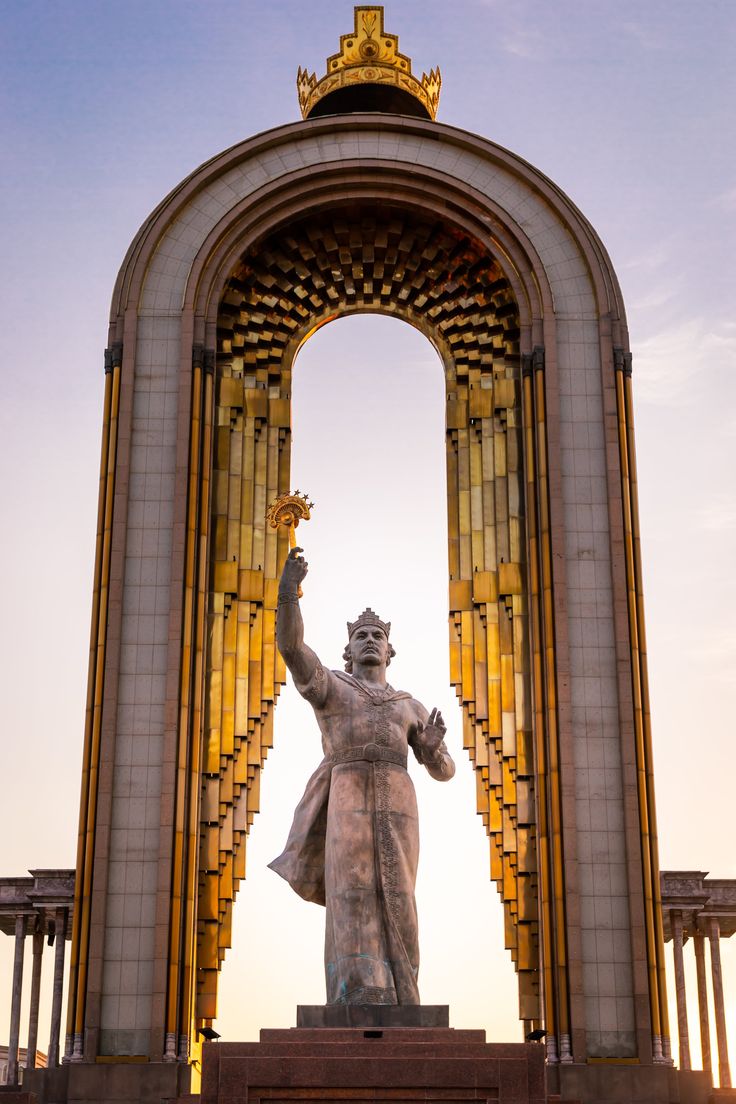
Pamir Highway - One of the world’s greatest road routes
Called a classic by many, this famous road ranks among the planet's most beautiful journeys.
- Runs through extreme high-altitude landscapes.
- Passes remote villages and desert-like mountains.
- Offers views near the Afghan border along the Panj River.
- Feels like traveling across multiple planets in one trip.
This spot stands out above all else for countless visitors across the nation.
Fann Mountains Alpine Lakes Hiking Paradise
One of the most beautiful trekking regions in Central Asia.
- Waters so clear you can count every stone below - Iskanderkul holds that kind of stillness. Not far off, Alaudin mirrors the peaks without a single ripple marring its face.
- Multi-day hiking routes between mountain valleys.
- White mountain tops rise above forested hills. Between them, a lake shines bright blue. Trees climb upward where snow fades into rock. Water reflects the sharp edges of high cliffs. Sunlight hits the ridge lines first each morning.
- Simple guesthouses and camping spots along trails.
A visit here feels like stepping into a scene anyone might send on a postcard. This kind of landscape, found in Tajikistan, opens right up to you.
Iskanderkul Lake A legendary alpine lake
A towering presence in the nation’s landscape stands as a symbol known far and wide.
- Called Iskander, a name pulled from Alexander the Great.
- Surrounded by dramatic cliffs and mountains.
- Popular for day trips and overnight stays.
- Nearby waterfall known as “Fan Niagara”.
Beside beauty, it carries meaning shaped by tradition. Still, its presence speaks beyond looks alone.
Wakhan Valley - Remote beauty along the border
A stretch so far from everywhere, it feels like the edge of things. Mist hangs heavy where few footsteps ever reach.
- Beside the Panj River, it traces a path opposite Afghanistan.
- Old paths once used for trade stretch across deserts, linking forgotten towns where people lived long ago.
- Steam rises through cracks in the rock, old walls stand cracked under sunbleached stone, houses tucked between peaks where silence settles like dust.
- Deep cultural and historical layers.
Here, Tajikistan shows its edges without hiding. A place stripped bare by distance and silence. Not softened by crowds or noise. Where the land speaks louder than people. Remote corners reveal what's left when connection fades. Ruggedness stays long after comfort leaves.
Hisor Fortress - History near the capital
- Among the top destinations for history lovers.
- Reconstructed ancient fortress complex.
- Traditional architecture and museum area.
- Easy day trip from Dushanbe.
- Popular for photography and cultural tours.
- A look at how life unfolded before modern times shaped the area. The past here tells stories older than most records show.
Murghab - High-altitude desert settlement
A dreamlike pause unfolds across the high plains of the east Pamirs.
- Extremely high altitude landscape.
- Desert-like terrain surrounded by mountains.
- Cold climate and very minimal infrastructure.
- Gateway for deeper Pamir exploration.
- Strange how much it shifts from those lush meadows.
Best Time to Visit Tajikistan (Seasonal Travel Guide)
The best time to visit Tajikistan depends on what kind of experience you want. Because of the country’s extreme mountains and altitude changes, every season feels completely different.
Spring (April – May)
Best for: green landscapes, mild weather & local life
Spring is when the country feels most alive.
- Valleys turn green after winter
- Rivers become powerful from snowmelt
- Markets fill with fresh fruits and herbs
- Temperatures stay comfortable in cities and lower regions
This is one of the best seasons for:
- Cultural trips
- Road travel in western Tajikistan
- Photography with colorful scenery
Some high mountain routes may still be closed due to snow.
Summer (June – September)
Best for: Pamir Highway, trekking & mountain adventures
This is the peak travel season.
- Mountain roads become accessible
- Trekking conditions are at their best
- Lakes in the Fann Mountains look incredibly vibrant
- The Pamir Highway is most reliable during this period
July and August are especially popular for:
- Road trips
- Camping
- High-altitude exploration
- Multi-day hikes
In cities like Dushanbe, summer can become quite hot, while mountains stay cool and comfortable.
Autumn (September – October)
Best for: stable weather & fewer tourists
Many experienced travelers consider this the perfect season.
- Clear skies and golden mountain colors
- Cooler temperatures without harsh cold
- Harvest season with excellent local produce
- Less crowded roads and guesthouses
The landscapes feel calmer and more cinematic during autumn.
It’s ideal for:
- Scenic drives
- Photography
- Comfortable hiking
- Slower cultural travel
Winter (November – March)
Best for: extreme landscapes & quiet travel
Winter travel is much more challenging-but unique.
- Snow transforms mountain regions completely
- Some remote roads become difficult or inaccessible
- Temperatures drop heavily in high-altitude areas
- Tourist numbers become very low
However, winter offers:
- Dramatic scenery
- Peaceful cities
- Authentic local atmosphere without tourism crowds
This season is better for experienced travelers prepared for cold and flexible schedules.
Mountain travel changes everything
One important thing many travelers underestimate:
In Tajikistan, altitude matters more than calendar season.
You can experience:
- Summer heat in valleys
- Cold wind in mountain passes
- Snow at high elevation
all on the same day.
Layered clothing is essential year-round.
Quick seasonal recommendation
April–May Best for nature, green valleys & cultural trips
June–September Best for mountains, trekking & Pamir Highway travel
September–October Best overall balance of weather, scenery & comfort
November–March Best for adventurous winter travelers
Culture & Reality in Tajikistan
Tajikistan is a country where traditions still shape everyday life more strongly than modern trends. The culture feels deeply connected to family, respect, hospitality, and community values.
Family-centered society
Family plays one of the biggest roles in Tajik culture.
- Multiple generations often stay closely connected.
- Elders are treated with visible respect.
- Important decisions are commonly family-oriented.
- Community relationships matter more than individualism.
Social life is built around people and personal connections rather than independence.
Hospitality is part of the culture
Guests are treated warmly and sincerely.
- Locals often help travelers without expecting anything in return.
- Visitors are welcomed with genuine curiosity and respect.
- Hospitality is seen as a responsibility, not just politeness.
- Human interaction feels personal rather than transactional.
In many places, people still value relationships more than convenience.
Traditional values remain strong
Tajikistan is socially conservative compared to many modern tourist destinations.
- Modest behavior and clothing are appreciated.
- Respectful communication is important in daily interactions.
- Religion and traditions quietly influence society.
- Public behavior tends to be calm and reserved.
Especially outside cities, traditional customs remain highly visible.
Modern life and traditional life exist together
In Dushanbe, you’ll see:
- Modern cafés and public spaces.
- Younger generations active on social media.
- Growing urban development.
But outside urban areas:
- Life becomes slower and more traditional.
- Communities rely heavily on local relationships.
- Nature and weather strongly shape daily routines.
The contrast between city and rural life is one of the country’s defining realities.
The reality of daily life
Life in Tajikistan is not always fast or perfectly organized.
- Flexibility is part of everyday culture.
- Plans and schedules may change easily.
- Infrastructure outside major cities can feel basic.
- People adapt quickly to challenges and changing conditions.
What may seem chaotic at first often works through local experience and cooperation.
The atmosphere feels different
One thing many travelers notice is the emotional pace of the country.
- Life feels quieter and less rushed.
- Conversations last longer.
- Public spaces feel calmer.
- Nature and mountains create a strong sense of stillness.
The experience often feels more human-centered than productivity-centered.
The real reality
Tajikistan is not:
- Luxury-focused.
- Highly commercialized.
- Designed around tourism convenience.
But it is:
- Authentic.
- Welcoming.
- Culturally rich.
- Deeply connected to tradition.
Cultural Etiquette & Dress Code in Tajikistan
Knowing local customs in Tajikistan can make tourists feel more comfortable and considerate. While the country is very welcoming, especially outside the big cities, traditional customs are important.
Dress modestly, especially in the countryside. Tajikistan appears to be a relatively conservative place, in look and behavior.
For women:
- Clothing that is loose and modest.
- Try to wear clothes that cover shoulders and knees.
- It is not essential for tourists to wear a scarf unless entering religious places and in a village. However, this may appear modest and respectful at certain places.
- Clothing that is very revealing may turn many heads in the countryside.
For men:
- Clean and simple casual clothes.
- You should not walk shirtless.
- Very flashy or over-the-top clothes do not really fit in.
In the cities like Dushanbe, you can dress much more freely but it is always good to be modest.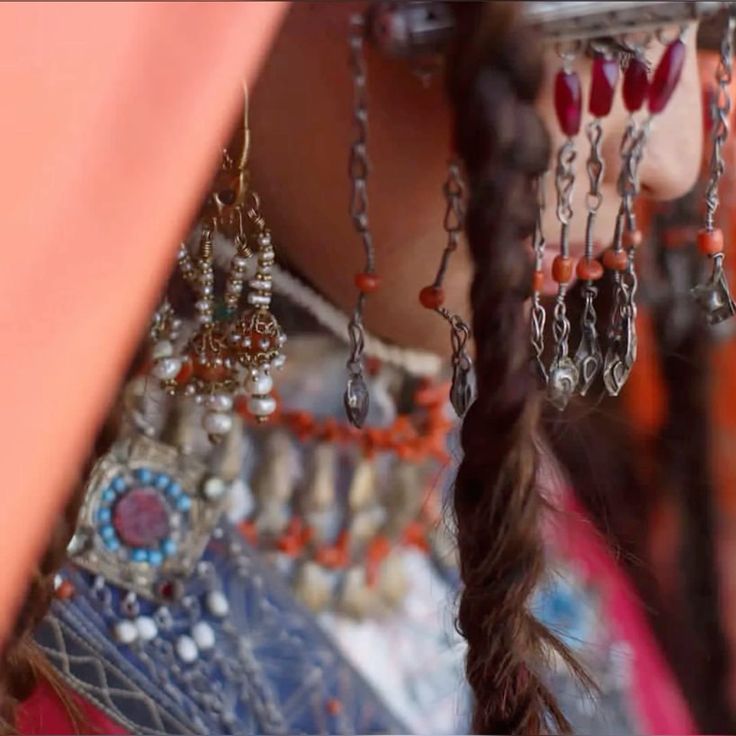
Reverence towards elderly people is crucial
Respect is very important.
- Be polite when greeting older people.
- Do not speak overly loudly or act too aggressive.
- Listen to the person speaking attentively.
- It is very uncommon to be loud in arguments or confrontations.
- A bit of patience and politeness goes a long way with elders.
Ask before taking photos
Be respectful with cameras.
- Always ask permission before taking photos of people.
- Some communities do not like to have their photos taken.
-Be cautious around religious places and buildings which you are not meant to photograph.
If you ask permission in a polite way, the person usually accepts.
Guest etiquette is important
If you are invited into someone's home:
- If other guests are taking their shoes off, you should do the same.
- Greet others politely, and try not to be too distant or too forward.
- A bit of gesture can go a long way.
Hospitality is valued very highly in the culture.
Religious and cultural sensitivity
Although most areas are quite relaxed there is an element of religion impacting society.
- Wear more reserved clothes when visiting mosques or holy sites.
- Do not make jokes about their religion or culture as they will not take them well.
Try to be respectful of the way people act and how the vibe is in different areas, the main focus is being respectful.
Public behavior
Tajiks usually value being calm and considerate in public.
- Displays of affection are uncommon.
- Being loud can be noticeable and make people uncomfortable.
- Patience in communication and life is highly regarded.
Adapt to the relaxed and quiet culture, and people will be friendly towards you.
Food Experience in Country
The food culture in Tajikistan is deeply connected to hospitality, family traditions, and regional lifestyle. Alongside famous Central Asian dishes, the country also has many local meals travelers rarely hear about.
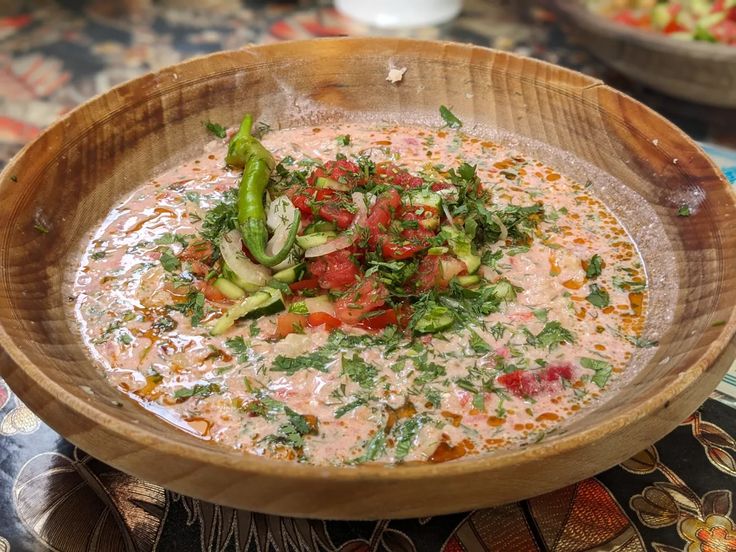
Qurutob
One of the most iconic national dishes of Tajikistan.
- Flatbread soaked in yogurt-based sauce
- Topped with onions, herbs, and vegetables
- Traditionally shared from one large plate
- Strong cultural importance in Tajik households
Plov
The most popular everyday and celebration dish.
- Rice cooked with meat, carrots, onions, and spices
- Often served during weddings and gatherings
- Different regions have their own versions
Shashlik
A favorite street and restaurant meal.
- Meat grilled over open fire
- Served with bread and fresh onions
- Common during road trips and outdoor dining
Lagman
A traditional noodle-based meal.
- Handmade noodles with meat and vegetables
- Can be served as soup or stir-fried
- Popular across mountain regions of Central Asia
Mantu
Large steamed dumplings filled with meat and onions.
- Usually served with yogurt or sauce
- Common during family meals and celebrations
Oshi Burida
A homemade noodle soup loved by locals.
- Thin hand-cut noodles in rich broth
- Cooked with herbs, vegetables, and meat
- Especially common during colder seasons
Fatir Maska
A traditional breakfast dish.
- Layered flatbread served with butter
- Usually eaten with tea
- Simple but deeply traditional
Shurbo
A comforting meat and vegetable soup.
- Slow-cooked with potatoes, carrots, and herbs
- Popular in mountain and rural regions
- Often prepared for guests or family gatherings
Tukhum Barak
A lesser-known regional dumpling dish.
- Thin dough filled with egg mixture
- Boiled and served fresh
- More common near Silk Road regions
Damlama
A slow-cooked layered dish.
- Meat and vegetables steamed together slowly
- Rich flavor without heavy spices
- Popular for communal family meals
Sambusa
A baked pastry commonly sold in bakeries and markets.
- Filled with meat, potatoes, onions, or pumpkin
- Cooked in traditional clay ovens
- Popular as a quick snack or breakfast item
Kurut-based mountain dishes
Traditional mountain meals often include kurut (dried yogurt balls).
- Used in soups and sauces
- Creates salty and sour flavors
- Connected to mountain and nomadic traditions
Bread culture matters deeply
Traditional bread (non) is an essential part of Tajik dining culture.
- Served with almost every meal
- Treated with strong cultural respect
- Different regions have unique bread styles
- Fresh bread markets are common throughout the country
Tea culture is part of everyday life
Tea is more than a drink in Tajikistan.
- Green tea is served throughout the day
- Guests are welcomed with tea first
- Tea gatherings are part of social life and hospitality
- Even roadside stops usually serve tea
Things You Should Know Before You Go Packing (Based on Season)
Packing for Tajikistan depends heavily on the season and especially the altitude. In one trip, you may experience hot cities, cold mountain winds, strong sun, and sudden weather changes.
Spring (April – May)
Spring brings green valleys, cool evenings, and unpredictable mountain weather.
What to pack:
- Light jackets or windbreakers
- Comfortable walking shoes
- Layered clothing for changing temperatures
- Small umbrella or rain jacket
- Sunglasses and sunscreen
Important to know:
- Roads in high mountain regions may still have snow
- Even sunny days can become cold quickly after sunset
- Valleys are warm, but mountain areas stay chilly
Summer (June – September)
The main travel season, especially for mountains and road trips.
What to pack:
- Breathable lightweight clothing
- Warm hoodie or fleece for mountain nights
- Hiking shoes or durable sneakers
- Sun protection (hat, sunglasses, sunscreen)
- Reusable water bottle
- Power bank and offline maps
Important to know:
- Cities like Dushanbe can become very hot
- Mountain temperatures drop sharply at night
- UV exposure is strong at high altitudes
Even in summer, warm layers are essential in the Pamir region.
Autumn (September – October)
One of the best seasons for travel with cooler temperatures and stable weather.
What to pack:
- Medium-weight jackets
- Comfortable layered outfits
- Hiking or walking shoes
- Scarf or warm layer for evenings
- Camera gear for landscapes and golden scenery
Important to know:
Mornings and nights become cold in mountain areas
Weather stays clearer and drier than spring
Temperatures vary strongly between regions
Winter (November – March)
Winter travel is beautiful but much more demanding.
What to pack:
- Heavy winter jacket
- Thermal clothing and warm layers
- Waterproof boots
- Gloves, scarf, and hat
- Portable charger (cold drains batteries faster)
Important to know:
- Some mountain roads may close due to snow
- Heating systems can vary outside major cities
- High-altitude regions become extremely cold
- Winter requires more preparation and flexible travel planning.
Mountain Travel Essentials (All Seasons)
If you plan to visit the Pamir Highway or Fann Mountains, always bring:
- Layers for sudden weather changes
- Offline maps
- Basic medicine kit
- Power bank
- Snacks and water for long drives
- Passport copies and important documents
Mountain conditions change quickly, even during peak season.
Cultural & practical packing tips
- Modest clothing is recommended, especially in villages
- Comfortable shoes are more useful than fashion-focused outfits
- Cash is important outside cities
-Internet may be limited in remote regions, so download essentials in advance
Why Tajikistan Is Great for Modern Travelers
It still feels unexplored
Unlike many famous travel destinations:
- Nature feels untouched and massive
- Mountain roads don’t feel over-touristic
- You can experience places without huge crowds
- Many regions still feel genuinely remote
For travelers looking for “real adventure,” this is a huge part of the appeal.
The scenery feels unreal
Tajikistan is one of the most visually dramatic countries in Central Asia.
- High-altitude mountain passes
- Alpine lakes and valleys
- Endless scenic roads like the Pamir Highway
- Landscapes that constantly change between desert, snow, rivers, and green valleys
It’s a dream destination for photographers, filmmakers, and content creators.
Travel here feels meaningful, not manufactured
Many modern travelers are looking for experiences beyond luxury tourism.
In Tajikistan:
- Interactions feel genuine
- hospitality feels personal
- Local life is still highly visible
- Travel feels emotionally engaging rather than transactional
The experience often feels more human-centered than entertainment-centered.
It rewards flexible, curious travelers
This is not a “perfect itinerary” destination.
It’s ideal for people who enjoy:
- Road trips
- Snow travel
- Spontaneous moments
- Cultural curiosity
- Adapting to changing plans
The less rigid your mindset is, the more rewarding the trip becomes.
It offers digital escape without complete isolation
Modern travelers often want balance:not total disconnection, but less digital noise.
Tajikistan provides that naturally.
- Cities still offer cafés, hotels, and connectivity
- Remote areas create natural breaks from constant online life
- Mountains and long drives encourage presence and slower travel
Many travelers describe it as mentally refreshing.
Adventure feels accessible
You don’t need to be an extreme explorer to experience the country.
You can:
- Stay in guesthouses
- Take shared taxis
- Join road trips
- Explore famous mountain routes
- Experience remote scenery without advanced expedition skills
The country feels adventurous without being impossible.
It feels different from mainstream travel
What makes Tajikistan stand out is not luxury or entertainment.
It’s the feeling that:
- Tourism hasn’t fully reshaped the culture
- People still live primarily for everyday life, not for visitors
- Experiences feel natural instead of curated for social media
Ironically, that’s exactly why modern travelers find it so interesting
Our Services
We provide complete travel support for trips across Uzbekistan and Central Asia, making your journey comfortable, organized, and stress-free.
Hotels
We offer hotel booking assistance in Uzbekistan.
- Boutique and business-class hotels
- Comfortable stays in major tourist cities
- Quality service and reliable accommodations
Trains
Fast and convenient rail travel between cities.
- High-speed trains between major destinations
- Easy transfers between historical cities
- Time-efficient travel option
Flights
Air travel arrangements for domestic and international routes.
- Seasonal flight schedules
- Connections to major cities
- Support for travel planning
Transport
Comfortable transportation for tours and transfers.
- Private cars, minibuses, and buses
- Professional drivers
- Transfers and excursions included
Visa Support
Guidance and assistance for travel documentation.
- Tourist visa information
- Document requirements
- Visa support services
Guides
Professional local guide services.
- Certified English-speaking guides
- Private and group tours
- Cultural and historical explanations
MICE Services
Special services for corporate and group events.
- Business travel packages
- Conferences and events organization
- Corporate tourism support
Additional services
Extra travel support for a smooth trip.
- Entrance tickets to attractions
- Availability information for sites
- Event and museum access assistance
Language & communication
t is essential to mention the ways in which communication happens in Tajikistan; people communicate by using warm and simple words. It is important to bear in mind that even in ordinary everyday life, people do not use long sentences. Tone is just as essential as words. Even in the large cities such as Dushanbe, discussions happen quietly and somewhat evasively. Everyday communication revolves around simple Tajik and Russian languages, and just a small effort to speak them on the part of the visitors is warmly reciprocated. So communication is not about the number of words you can pronounce. It is more about a friendly attitude, courtesy and patience.
Common phrases
Tajik phrase | Meaning |
Salom | Hello |
Sobh ba khair | Good morning |
Shab ba khair | Good night |
Rahmat | Thank you |
Lutfan | Please |
Bubakhshid | Sorry / Excuse me |
Khush omaded | Welcome |
Khayr | Goodbye |
Chi khel? | How are you? |
Hubam | I’m fine |
Namefahmam | I don’t understand |
In chand pul ast? | How much is this? |
Kujo ast? | Where is it? |
Kumak kuned | Help me, please |
Man namedonam | I don’t know |
Man az khorijam | I am a foreigner |
Taksi | Taxi |
Ist | Stop |
Raved | Go |
Rost | Straight |
Chap | Left |
Dorust | Correct / Right |
Oshi kuned | Please eat / invitation to eat |
Biyed | Come |
Marhamat | Please / here you are |
Choy mekhohed? | Do you want tea? |
Lutfan neshined | Please sit down |
Health & Insurance in Tajikistan
Healthcare in Tajikistan is improving, but it is still a mix of basic public services and more reliable private options. For travelers, understanding this difference is important before arrival.
Healthcare system reality
- Public hospitals exist in most cities, but facilities can be very basic
- Private clinics in urban areas are generally better for non-emergency care
- In smaller towns and mountain regions, medical services are limited
- English-speaking medical staff is not always available
In the capital Dushanbe, you will find the best healthcare options in the country, especially private clinics and pharmacies.
Pharmacies & medication
- Pharmacies are widely available in cities
- Common medicines are usually easy to find
- Some brands may differ from what travelers are used to
- It’s recommended to bring essential personal medications with you
Emergency care
- Emergency response can vary in speed and quality
- Private clinics are often preferred for urgent but non-critical issues
- In remote areas, transport to the nearest city may be needed for treatment
Travel insurance (very important)
Travel insurance is strongly recommended when visiting Tajikistan.
Good insurance should cover:
- Medical treatment and hospitalization
- Emergency evacuation (especially for mountain regions)
- Trip delays or cancellations
Adventure travel (trekking, high-altitude travel if planned)
This is especially important if traveling to remote areas like the Pamir Highway or the Fann Mountains.
Important reality for travelers
- Healthcare quality varies greatly between city and rural areas
- Cash payments are often required in smaller clinics
- Prevention is more important than relying on treatment during travel
- Major issues are best handled in the capital or neighboring countries if needed
Electricity, Plugs & Adapters
Overall, electricity is relatively reliable in cities in Tajikistan, but it's still important for travelers to be prepared for some variations depending on the region, and not take it for granted.
Voltage & frequency
- Standard voltage: 220V
- Frequency: 50Hz
Most European appliances use these specifications, however not all plug shapes will fit standard outlets in Tajikistan.
Plug types
The plug types most commonly found in Tajikistan are:
- Type C (two round pins)
- Type F (Schuko, two round pins with ground)
Both plug types are found throughout much of Europe, so European travelers may find they need a plug adapter only, and no converter.
Cities vs rural areas
Cities like Dushanbe have relatively stable electricity, with constant power available at hotels and cafes where travelers will likely be recharging. Rural and mountain regions, particularly areas with no access to the main power grid, may have power interruptions or may solely rely on electricity from generators at limited times or days of the week.
What travelers should bring
- Universal travel adapter (highly recommended)
- Power bank (a critical item for longer travel days or if there are limited charging outlets)
- Spare charging cables
- Small extension cord (sometimes handy at guesthouses with limited outlets, optional)
Bringing back-up power supplies is especially recommended for travel along roads like the Pamir Highway, or in remote mountain villages.
Practical reality
Recharging devices will be easy in city locations. Relying on uninterrupted power 24/7 outside of these cities should be avoided. If staying at hotels or homestays, don't be afraid to ask to use the electricity to recharge your gadgets.
Emergency Contacts & Embassy Information in Tajikistan
In Tajikistan, emergency services exist in major cities, but response times and communication can vary-especially outside urban areas and in mountain regions.
Emergency numbers
- 102 - Police (security, theft, public safety issues)
- 103 - Ambulance (medical emergencies)
- 101 - Fire service (fires, rescue situations)
- 112 - General emergency line (in some areas, unified support)
In cities, these numbers are usually reachable through local SIM cards.
Reality of emergency response
In Dushanbe:
- Services are more accessible and organized
- Private clinics are often used for faster medical care
- Communication may still require simple Russian or basic local language
Outside cities:
- Response can be slower
- Transport to the nearest city may be needed
- Local people (drivers, guesthouses) often play a key role in helping
Embassy support
Embassies are mainly located in Dushanbe and help with serious issues like:
- Lost or stolen passport
- Legal or administrative problems
- Medical evacuation coordination
- Emergency travel documents
It is strongly recommended to:
- Save your embassy contact before arrival
- Keep digital and printed copies of your passport
- Register your travel if your country offers it
Practical safety tips
- Always keep emergency numbers saved offline
- Use a local SIM card for reliable communication
- Share your travel route if going to remote regions like the Pamir Highway
- Don’t rely only on internet access in emergencies
What to Buy from Tajikistan
packed with a story. Whether from a mountain village or the chaotic markets in Dushanbe, everything you buy here will feel personal and traditional.
Handwoven textiles & embroidery
The traditional arts and crafts of Tajikistan are primarily seen in their fabrics.
The textiles of Tajikistan consist of sharp geometric patterns and intricate stitching; with traditions dating back hundreds of years you can feel the history in every hand sewn piece. In Tajikistan, textile has an identity and is often connected to ceremony and the feeling that you’re taking a special item home is due to the uniqueness and individuality of it.
Traditional clothing & cultural wear
The clothes people wear here directly reflects the lifestyle in Tajikistan and each region has its own designs.
Handmade and embroidered hats, intricately patterned dresses and other items, worn everyday in towns and villages far from any cities, are also something that you can now purchase as authentic souvenirs. This will be an item that you are taking home with you that someone is still wearing and cherishing.
Artisan crafts & handmade objects
The arts and crafts sector in Tajikistan is not mechanized and each item has been handcrafted by individuals, the skill being passed down through the generations in communities and workplaces across the country. This is in contrast to manufactured trinkets, and the careful selection and intricate hand painting will be evident in ceramics, carved woods, metals and many other things.
Jewelry with cultural roots
A lot of traditional jewelry consists of hand-made silver articles in regional design patterns, these can be found in the mountain regions and are strongly influenced by the Silk Road era-their appeal lies in their boldness, simplicity and meaning.
Natural products from the land
Many food items are sourced directly from the landscape and can make a very traditional souvenir.
It is the perfect country to take home dried fruit, local mountain honey, nuts or herbs because these products are grown and cared for by local communities. Each product has been grown in altitude under certain climates and nurtured using traditional farming.
Where the real shopping happens
Skip shopping malls for a taste of authenticity, head to a local bazaar.These are located in both the large cities, such as Dushanbe, and small regional towns, and are full of unique items where each transaction is an interaction with the maker.
Holidays & Festivals in Tajikistan
In Tajikistan, holidays are not simply days on the calendar, they are the foundation of the nation's very identity. Ranging from their ancient Persian past to the influence of Islam to their modern national celebrations, each holiday offers rich human, social, and cultural experience.
Nowruz - March 21
Of all of their holidays, Nowruz, the spring equinox, is the most important. This holiday celebrates the dawn of a new life cycle. Houses are thoroughly cleaned, the national landscape is draped with new colors and flowers and families unite. In Dushanbe, the streets are a hub of cultural activity as entire nations come together to enjoy festivities in their city center with traditional music, dances, and communal joy.
Eid al-Fitr - Dates vary every year (based on Islamic lunar calendar)
Following a month of spiritual fasting and contemplation Eid al-Fitr is a truly divine celebration. Following morning prayers on this day of festivities families feast on specially prepared meals and visit one another sharing good cheer and blessings. The mood is joyous and gives and it is truly an opportunity to experience a sense of pure good feeling.
Eid al-Adha - Dates vary every year (Islamic lunar calendar)
This deeply spiritual observance has become a holiday based around the religious pilgrimage of Mecca as well as a feast of sacrifice that unites the nation. Families join one another and sharing abounds amongst communities so that all is distributed where it is needed, creating a truly spectacular festival of sacrifice.
Independence Day - September 9
This day on September 9th is of tremendous historical significance to the formation of modern Tajikistan. On this day the country's entire population participates in its celebration with fireworks, music, dancing and parades throughout each city so everyone is united in celebration of their nation.
Constitution Day -November 6
November 6th,Constitution Daycelebrates a crucial component of the nation of Tajikistan. The country honors the importance of their constitution and the formation of the nation by schools and organizations in educational observances so that the people do not forget the structure that holds them together.
Regional Nowruz Traditions: Echoes of the Past
While Nowruz in Dushanbe consists of an impressive national gathering in the city center, the celebration of Nowruz in the country’s mountains presents a look back into its historical traditions. Here, people partake in games, horse races, folk singing, chanting, and religious rituals that have been practiced for generations keeping ancient customs alive.
Shashmaqom: The Voice of Tradition
This classical music form of Tajikistan is as vital to its national identity as its holidays. It incorporates story and melody into each powerful rendition so that people feel a strong connection to the land and the history that shapes their culture.
Buzkashi: A Game of Strength, Skill and Ancient Culture
This traditional game has been enjoyed by the country’s people for centuries. Buzkashi, the game of the mountains, requires immense teamwork and is played with extreme intensity and skill; however, these games are played for pride and enjoyment during significant celebrations throughout the nation so that ancient nomadic culture is carried on.
Harvest Festivals: A Thank You to the Land
This celebration honors the productive land that feeds the nation. Communities are united in thanks giving and celebration during the harvest seasons with delicious foods and vibrant merriment, sharing the fruits of their labor with neighbors and those in need.
Contemporary Cultural Festivals: The Future of Identity
While the nation’s traditions have shaped its history, contemporary cultural traditions in art, music, crafts, and youthful influences all contribute to a growing and evolving identity of Tajikistan which is evident as such festivals are increasing each year in all of their cities..jpeg)
What Travellers Say
Excellent experience in Tajikistan
"Amazing service since first contact. Staff very courteous, and made all efforts for a very short notice tour to happen. Guide spoke very good English and very courteous and professional drivers. Highly recommended!"
- Mauricio C
Worth going!
"Great Tour! Logistics were well organized and both, the guide and the driver were very friendly while the guide had a lot of knowledge to share. The landscapes were breathtaking."
- Dirk G
Tajikistan what an incredible experience
"Just back from Tajikistan.What an experience.Was in communication with Zukraha and her team for a month before.Literally dropped at the border in Uzbekistan and picked up right on the other side in Tajikistan.My daughter and myself were treated like royalty the whole time,and wha..."
- Kieran J