 Central Asia & Caucasus DMC
Kyrgyzstan travel
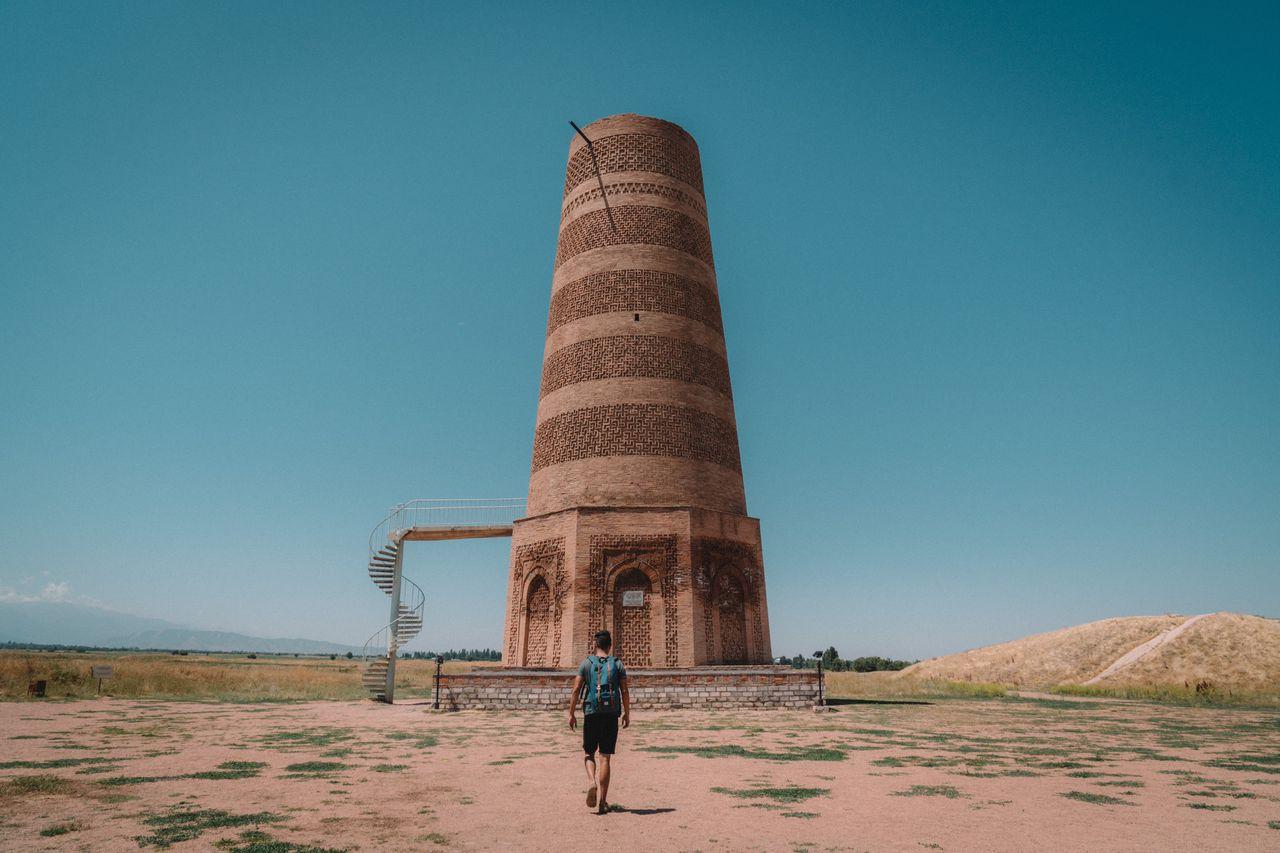
Kyrgyzstan is a landlocked nation in Central Asia famous for its vast mountain scenery, its expansive valleys, and centuries-old nomadic traditions. Dubbed one of the region’s most naturally rich destinations, it’s a rare blend of unspoiled wilderness and real cultural experience.
Visiting Kyrgyzstan is, not surprisingly, a step into another rhythm of life - of constant nature, measuring distances in the shape of mountain roads, of traditional lifestyles remaining an important part of people’s daily lives. From its alpine lakes and remote villages to high mountain passes, the country is made by geography and a history of nomadic culture. It is a destination that appeals to travelers looking for simplicity, nature, and genuine local experiences rather than the speed of city tourism.
Our Services
Tourist information Kyrgyzstan
- 1. Why Kyrgyzstan Feels Different
- 2. Visa & Entry - Easy to Navigate
- 3. Is Kyrgyzstan Safe?
- 4. What Most Guides Skip
- 5. Comfort level is higher than you expected
- 6. Top Experiences in Kyrgyzstan
- 7. Best Time to Visit Kyrgyzstan
- 8. Culture, lifestyle, & Reality
- 9. Cultural Etiquette & Dress Code
- 10. Food Experience in Kyrgyzstan
- 11. Things You Should Know Before You Go Packing
- 12. Why It’s Great for Modern Travelers
- 13. Our Services
- 14. Language & communication
- 15. Country Health & Insurance
- 16. Electricity, plugs & adapters
- 17. Emergency Contacts & Embassy Information in Country
- 18. What to Buy From Kyrgyzstan
- 19. Festivals & Public Holidays
Why Kyrgyzstan Feels Different
Kyrgyzstan offers a different kind of luxury - one that doesn’t rely on a few luxury hotels and shopping, but on space, silence and undisturbed natural beauty.
Wide, untouched landscapes
Large mountain ranges, glacial valleys and pristine alpine lakes render the landscape exclusive in part because it is untouched and rare.
Privacy in nature
Many areas have complete seclusion, unlike overcrowded attractions. You can visit entire valleys, lakeshores and mountain trails with very few people around.
Highly refined nomadic living experiences
Stay in a charming yurt camp - where you can enjoy traditional nomadic culture and be comfortable, with authenticity meeting simplicity, and touches of understated elegance.
Slow, curated travel rhythm
Journeys unfold naturally - picturesque drives up mountain passes, quiet stops in remote villages, unobstructed views that seem intentionally uninterrupted.
Authentic cultural refinement
Hospitality is personal and sincere: local food carefully prepared, handcrafted details, and traditions that are preserved rather than performed.
A rare sense of untouched exclusivity
Many regions remain far from mass tourism routes, offering a feeling of discovery that is increasingly rare in modern travel destinations.
Visa & Entry - Easy to Navigate
A simple and traveler-friendly entry system, Kyrgyzstan is one of the most accessible destinations in Central Asia, and arrivals are easy and no-nonsense.
Visa-free access for many nationalities
It allows citizens of many countries to enter Kyrgyzstan with no visa for a certain period of time, offering short trips and visits to the tourism industry a fairly simple experience.
Simple e-visa option
Kyrgyzstan has an online e-visa system for visa-seekers. It is completely digital, with less need to fill in paperwork and visits to an embassy reduced in most cases.
Fast border procedures
Airports and land borders are generally operationally efficient, with relatively straightforward immigration procedures and few wait times for most travelers.
Flexible entry points
Visitors can pass through international airports Bishkek, Osh, and land borders with its neighboring Central Asian countries.
Clear documentation requirements
Basic documents for each visitor (e.g., passport, return ticket, and basic travel details) will generally be enough depending on national origin and what visa type for it was established.
An approach to policy for travellers friendly
Kyrgyzstan has an open and tourism-oriented entry policy, making it relatively easy to get anywhere and often, even in the least complex systems, the most accessible places to go in the entire region.
Is Kyrgyzstan Safe?
Kyrgyzstan is a safe place to travel, especially to visit primary tourist routes and arranged tours. Like any other country, safety depends on where you are, how you travel and some sort of basic common sense.
The tourist areas tend to be pretty calm
Bishkek, Issyk-Kul and all major hiking routes are stable and tourists often settle there.
A low degree of violent crime against tourists
No serious crime targeting travelers
The most common problems reported are minor and similar to what you may see in many countries (such as pickpocketing in trafficked areas).
Travel based on nature needs the proper awareness
Because Kyrgyzstan is very mountainous, the primary dangers involve terrain and weather, not the safety of urban areas - particularly on hikes or road trips.
Transportation differs by area
Transport in the city is generally good, but rural roads and mountain driving need proficient drivers, particularly in the winter.
Friendly local attitude
A well-known locals helpfulness with visitors - something that adds to the overall comfort feeling on the go.
Travel precautions that you have to do for a normal trip are enough
It’s quite often safe for a trip for it to be handled by keeping valuables secure, by using trusted means of transport as well as by taking local advice.
It is also worth noting the fact that Kyrgyzstan is perceived as a safe, warm and welcoming tourist haven, especially for nature-friendly and adventure travel areas – as long as the fundamental travel awareness comes into play.
What Most Guides Skip
Kyrgyzstan is often defined by its famous lakes and mountains, but many people find the true depth of the country hidden behind the particulars most travel guides don’t point out.
Mountain weather shifts in minutes
In Kyrgyzstan, the weather is not merely “unpredictable” - it can dramatically change within an hour. A sunny valley can become cold wind and fog once you gain altitude, especially on high passes.
Altitude affects even simple itineraries
Many scenic drives and hikes also begin at high elevation. Even light walking can feel more intense than expected if you’re not used to thin air. In many places, cash remains fundamental.
Card payments are often out of reach outside of major cities
Small guesthouses, stops on the road and rural markets depend heavily on cash transactions.
Distances may appear short, but time also takes
Everything seems close on the map, but mountain roads, curves and road conditions can turn a “short trip” into a full-day journey.
Nomadic hospitality is personal and not commercial
Staying in a yurt or rural home is not a one size fits all hotel visit. Comfort levels vary, and the experience is guided by whom you meet at the table, not a prescriptive style of service.
Connectivity is not everywhere
Outside towns, mobile signals or the internet can vanish rapidly, in valleys or remote trekking areas - part of what it feels like but something you can plan for.
Transport is embedded into the local culture
Shared taxis and marshrutkas (minibuses) are not only transport - they are central to an everyday life, and in fact the best way to go between the different regions. Kyrgyzstan doesn’t just emerge on the surface. When you know these little details the journey is more meaningful.
Comfort level is higher than you expected
Travelers who expect strictly mountainous conditions are often taken aback in Kyrgyzstan. Although the country is infamous for its wilds, the comfort level for tourists has notably improved in recent years, especially along popular paths.
Modern comfort in key cities
Well-designed hotels, cafés, reliable Wi-Fi, and international-standard services available in Bishkek and Osh ensure the arrival and rest days are extremely comfortable.
Upgraded experience of yurt camps
Many yurt camps near popular destinations now include decent beds, bedding, hot meals, and some of the places offer private bathroom facilities - a fusion of tradition and comfort.
Well-developed main travel routes
The most visited areas near Issyk-Kul and the principal mountain valleys today include better roads, organized tours, and organized guesthouse networks.
Easy access to local services
Tourist areas have ATMs, pharmacies, small supermarkets, transport facilities, etc. that make travel more convenient for people than they might think.
Hospitality that seems effortless
Service is not formal or overly businesslike, but it is warm, attentive, and genuinely helpful - which oftentimes makes the overall experience feel more comfortable than one would expect.
Balancing nature and ease
In most thoroughly traveled regions you still get raw landscapes and genuine experiences, but without compromising on basic comfort, safety, or convenience.
Top Experiences in Kyrgyzstan
Kyrgyzstan is a place full of experiences that define nature, culture, and slow travel moments that seem more authentic and immersive.
Stay in a traditional yurt
Spend a night in a yurt camp surrounded by mountains, where simplicity meets comfort, and you get to experience nomadic living at its best.
Explore Issyk-Kul Lake
Issyk-Kul provides a distinctive contrast between sandy shores and snow-covered peaks - one of the world’s biggest alpine lakes.
Horseback travel in alpine valleys
Ride over wide green valleys, open meadows, and remote mountain trails along roads that were used for generations.
Scenic mountain road journeys
Drive through high mountain passes, bends, and vistas on either side of the mountain where every stop is like some kind of postcard.
Discover nomadic culture
Visit rural villages, meet families, visit indigenous households, and learn about felt-making, eagle hunting traditions, and handmade crafts.
Hiking in untouched nature
From strolls through the lake to treks over several days, Kyrgyzstan offers trails where silence and space together with the beauty of nature define the experience.
Stargazing in isolation
Many areas experience very little light pollution, the night sky can become one of the best experiences: clear, bright, and endless.
Kyrgyzstan is not about jumping from one attraction to another - it’s about experiencing nature and culture in a pristine, unbroken way..jpeg)
Best Time to Visit Kyrgyzstan
Kyrgyzstan is a year-round destination, but the experience changes dramatically with each season. Choosing the right time depends on what kind of journey you want.
Spring (April - June) - Fresh & Green Landscapes
Spring brings melting snow, blooming valleys, and powerful rivers. It’s one of the most beautiful times for photography and scenic road trips. Some high mountain areas may still be cold or inaccessible.
Summer (July - August) - Peak Travel Season
This is the most popular time to visit. Mountain passes are open, yurt camps are fully active, and alpine lakes like Issyk-Kul become ideal for swimming and relaxation. Expect warmer weather and more travelers.
Autumn (September - October) - Golden Season
Arguably the most balanced time. Landscapes turn golden, crowds decrease, and temperatures are comfortable. It’s perfect for trekking, cultural travel, and photography.
Winter (November - March) - Quiet & Snowy
Winter transforms Kyrgyzstan into a snowy, peaceful landscape. It’s ideal for ski lovers and those seeking solitude. However, some remote roads and mountain areas may be limited due to snow.
Overall Recommendation
- For trekking & adventure: June – September
- For best scenery & balance: September – October
- For winter atmosphere: December – February
Kyrgyzstan offers something different in every season - the best time really depends on the experience you want to create.
Culture, lifestyle, & Reality
Kyrgyzstan is a country where tradition remains a feature of daily life.
But even today, as cities are modernizing, many cultural habits, family values, and nomadic influences dictate much of how people live.
Hospitality is part of the culture
They treat their guests with real warmth and respect. Tea, bread, and communal meals are part of social life, particularly in rural communities.
Family plays a central role
Family ties are very tight, and the centre of people’s lives is often relatives, family gatherings, and community traditions.
Nomadic roots still exist
And even though modern life in the cities is taking place, the country’s nomadic legacy holds great strength- from yurt culture and horseback traditions to seasonal movement in mountain regions.
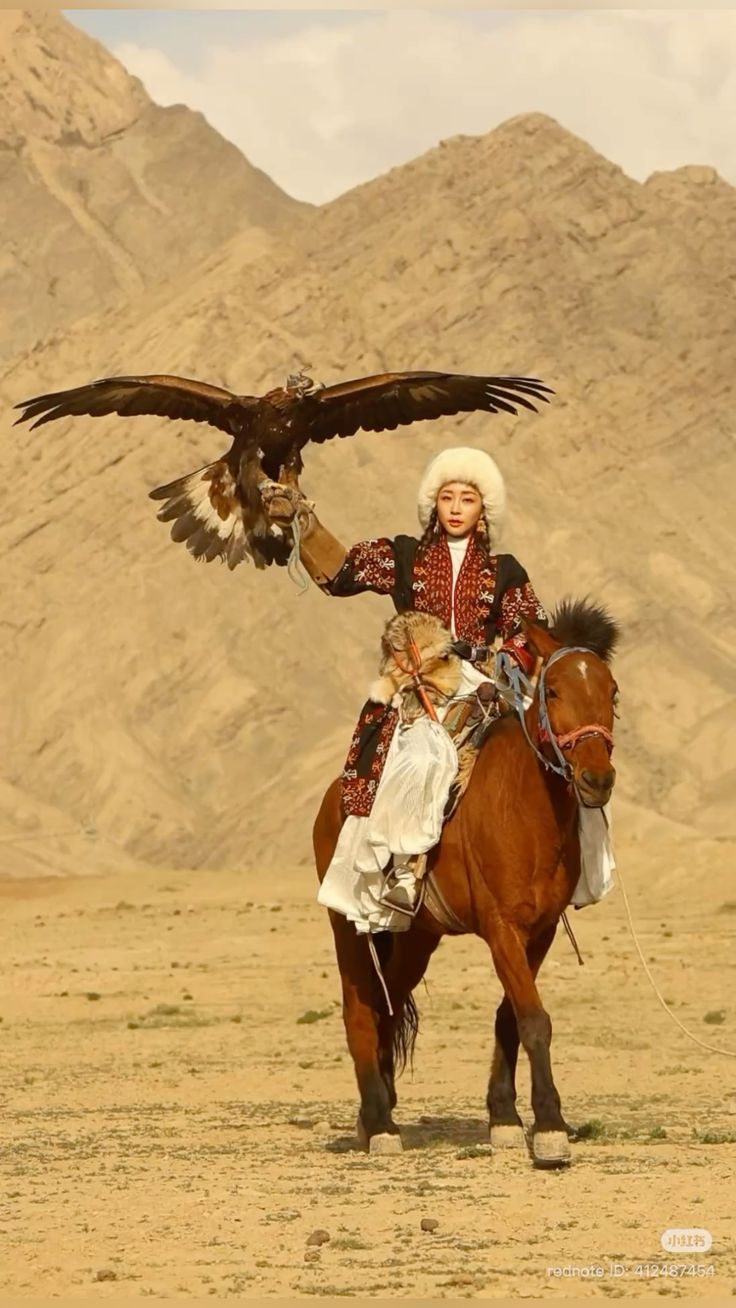
Cities are so unlike villages
Bishkek, for example, is a city of cafés, restaurants, shopping centers and a bustling urban life, while rural areas are quieter still with traditional lifestyles.
The everyday is one of simplicity
Outside the main cities, life is generally slower, less commercial in nature. People also love nature, community and practicality far more than opulent lifestyle.
Reality of travel in Kyrgyzstan
Travel here can be beautiful, but it may not be a smooth road. Roads in rural areas can be bumpy, the infrastructure may vary, and places vary widely in comfort levels - and that’s one reason it feels genuine.
Respect the local traditions
Modest behaviour, politeness and adhering to local customs are valued - especially in smaller towns and in the traditional villages. Kyrgyzstan is a land where modernity and centuries of history meet in a place that feels both real and deep.
Cultural Etiquette & Dress Code
Kyrgyzstan is famous for its friendly hospitality and laidback ambiance, yet cultural sensitivity can matter a great deal - particularly out of the big cities. Knowing a few local traditions makes the experience a bit smoother and more respectful.
Modest styling is the safest choice
Modern style is everyday in Bishkek, but in small towns and villages, people generally dress more conservatively. Clothing that is way too revealing may feel awkward in traditional places.
Layered clothing is essential
Weather changes very quickly, particularly in the mountains. And even in summer, evenings near lakes and high-altitude areas can turn suddenly cold.
Usually you are not required to wear headscarves
Foreign visitors are not often expected to cover their hair - unlike some countries. However, dress in a respectful manner surrounding mosques or traditional communities.
Shoes indoors matter
Most local homes, yurts and guesthouses ask guests to remove their shoes before entering. It seems quite a common cultural practice.
Tea culture is part of hospitality
Tea has evolved to become more than something we drink but part of communication and welcoming guests. Not accepting everything immediately can sometimes be rude.
Reverence for bread and food customs
Bread is considered culturally significant and is not meant to be made upside down or left on the table in haste.
The traditional place has limited public affection
Holding hands is ok overall, but showing too much public affection doesn’t feel okay for traditional people.
Greetings are courteous and calm
People greet in a warm but respectful way. Good manners are observed, however, in most rural areas for greetings and small talk.
Photography etiquette matters
Some locals, particularly older ones, may not be comfortable being photographed without permission. Always ask first.
More traditional, rural kind of life
The farther you travel to mountain villages and nomads, the more traditional the lifestyle gets - to a cultural and social extent.
Hospitality can feel highly personal
The guests tend to receive real generosity from the locals. Locals will often give you food, bring you tea, or offer help without any expectation of return.
Friday and family get-togethers matter
Weekends and family dinners and community gatherings have a significant social significance (especially out of the cities).
Kyrgyzstan is mostly a tourist-friendly country, but little gestures of cultural respect are valued and result in more positive and meaningful encounters.
Food Experience in Kyrgyzstan
Kyrgyzstan does not provide "fine dining in the traditional sense" but something much more honest, authentic, and unique. The cuisine is very connected to the way of life in the mountains with its traditions and customs.
Food created for harsh conditions in the mountains
The cuisine was formed under conditions of survival and sustenance at high altitudes and should be energy-rich. The food is usually prepared with a focus on maintaining high energy levels in humans and ensuring warmth during cold winters.
Meat as the main ingredient in Kyrgyzstan's dishes
The main ingredients used in the majority of traditional dishes are lamb or beef. They are usually cooked slowly or stewed with other ingredients in various dishes.
Lagman – an iconic dish The most popular dish in Kyrgyzstan is lagman – a traditional dish consisting of thick noodles made by hand from dough with meat or vegetables.
Plov – a dish for company Plov is a dish cooked in special vessels in large portions, which can become an important part of any celebration or family gathering.
Bread is an integral element of the table. A round freshly baked bread called lepeshka should always be present at any festive dinner.
Unexpected local identity – Ashlyan-fu Ashlyan-fu is an extremely exotic type of street food in the area. This dish is quite characteristic of Kyrgyzstan as a country of various cultural influences and is particularly popular during warm seasons.
Heritage of nomads in dairy products Kumis (fermented mare’s milk), together with other dairy products, belongs to nomadic traditions. The taste may surprise foreigners, but this cuisine has a very long history.
Cultural tea drinking process
No one will drink tea quickly in Kyrgyzstan. Tea is constantly served, shared, and filled up, creating a time of communication, hospitality, and friendship.
Food experience differs based on altitude
If you are visiting cities, expect cafes and restaurants. For mountain areas, the experience is much simpler and closer to nature..jpeg)
Things You Should Know Before You Go Packing
Your trip to Kyrgyzstan will be all about preparing yourself for changing weather conditions and traveling conditions.
Spring (April-June) – “Four Seasons in One Day”
Spring is lovely but highly changeable. Sunlight, rainfall, and wind may occur within just one day.
Bring:
- Light jacket + waterproof gear
- Warm pullover in the evening
- Good hiking boots suitable for mud
- Sunglasses + sunblock cream (very strong sunlight in the mountains)
Summer (July-August) – Hot Days + Cool Nights
The cities may be warm, but the mountains remain cool even during the summer months.
Bring:
- Summer clothes
- Hoodie or light jacket for cold nights
- Cap + sunblock cream (the sun can be extremely bright at altitude)
- Swimwear (for Lake Issyk Kul and other lakes)
Winter (Nov–March): Cold and Snowy Reality
The winter season in Kyrgyzstan is cold and snowing. It is very beautiful but requires some precautions.
Bring:
- Winter coat
- Insulated clothing
- Gloves, beanie, and scarf
- Sturdy waterproof shoes (for snow and ice)
- Skin moisturizer (cold winds make air dry)
Packing List for Any Time of Year
- Money in smaller denominations (not all places accept cards)
- External power bank (in long-distance travels and in remote areas)
- Over-the-counter medications (fever, diarrhea, altitude sickness)
- Maps offline (no signal in mountainous areas)
- Daypack (for short trips)
- Re-usable water bottle
Travel Tips
Even in the “convenient seasons,” Kyrgyzstan is a mountain country where weather can change abruptly and distances are long, with the natural environment being an intrinsic part of the trip.
Why It’s Great for Modern Travelers
Kyrgyzstan, in particular, is becoming an increasingly desirable destination for contemporary tourists who seek more than a typical vacation trip. The country is distinguished by its raw wilderness and culture, as well as its slow travel pace that matches the needs of modern travelers.
Natural digital detoxification
A lack of connection in mountainous areas makes travelers less prone to constantly checking their phones.
Combining adventure and comfort effortlessly
Today's generation does not have to sacrifice comfort for adventure. You may hike through secluded valleys throughout the day and then spend the evening comfortably in a hotel or yurt camp.
Ideal for creating content
Landscapes, lakes, and nomads provide opportunities that are visually appealing for content creation in the form of photography, blogs, and social media posts.
Flexible travel style
Kyrgyzstan provides flexibility regarding how one wishes to explore the country – whether it is through planned guided tours, road trip travels, or independent travels with free movement.
Authenticity of experience
Many destinations have been compromised by tourism; however, Kyrgyzstan still offers genuine and authentic experiences, including food and accommodation.
Affordable travels
Traveling through Kyrgyzstan is quite affordable when compared to other destinations with similar mountainous sceneries around the globe.
A mix of both worlds
The country’s urban areas include modern amenities like cafes and improving infrastructures, but within hours, you get to experience the authentic nomadic way of living.
Our Services
There are some countries that require proper planning and organizing for you to be able to fully explore and enjoy their wonders. Our services will be able to assist you to make sure that your trip is indeed memorable and tailored to your preference.
Personalized Trip Planning
We tailor our planning according to your preference on the type of trip that you would want, whether adventurous, relaxing or even a combination of both.
Group and Private Trips
Whether you would prefer to have a private trip or one where the cost will be lesser due to being a part of a group is all a matter of preference.
Accommodation
The kind of accommodation that we can provide for you varies, ranging from hotels, unique forms of lodgings and yurts.
Travel
We will make sure that wherever you go within Kyrgyzstan is a safe experience for you.
Local Guides and Cultural Experience
Professional local guides provide access to exclusive destinations and a glimpse into the culture.
Adventure and Natural Experiences
We arrange activities such as hiking, horseback riding, Alpine lake exploration, and scenic drives for a fun and safe experience.
Visa Assistance
We facilitate visa preparation for all countries to make your travel easy and hassle-free.
24-Hour Travel Assistance
Our travel experts are available round the clock for your assistance during your travel experience.
Language & communication
Kyrgyzstan is an easy place to travel around without knowing their language. Simple phrases, hand signs, and courtesy can get things done.
English | Kyrgyz | Notes |
Hello | Salam | Common greeting |
Thank you | Rakhmat | Very important polite word |
Please | Iltimos | Used in polite requests |
Yes | Ooba | Simple agreement |
No | Yok | Simple refusal |
How much? | Kanchadan? | Used in markets and taxis |
Where is..? | Kayerde…? | Useful for direction |
I want this | Men buldu alayyn | Often used with with pointing |
Help | Jardam berinizchi | Important emergency phrase |
Too expensive | Kymbat eken | Used in bargaining |
Water | Su | Everyday essential word |
Tea | Chai | Central part of hospitality |
Menu | Menyu | Understood in tourist places |
Delicious | Daamduu | Common compliment |
No meat | Et jok | Useful for food preferences |
Country Health & Insurance
Healthcare in Big City Areas
Besides Bishkek, urban hubs like Osh host numerous private clinics where standard treatments are available alongside urgent interventions. Medical facilities in these areas include well-stocked pharmacies capable of addressing common illnesses or sudden health issues. Hospitals operate with consistent access to trained staff and essential supplies. Care ranges from basic checkups to more immediate, intensive responses when needed.
Health Care Where It’s Hard to Reach
Where roads wind through steep slopes, clinics grow sparse. Because help can take hours to arrive, stocking supplies ahead of time becomes critical. Remote valleys often lack round-the-clock care, so residents plan carefully for sudden illness. Travel times stretch when weather turns bad, increasing reliance on local readiness. Emergency transport sometimes waits on helicopters rather than ambulances.
Personal Medications
Bringing enough prescribed medicine is wise for visitors. Not every foreign drug brand can be found everywhere here. Specialized treatments might require planning ahead due to limited access.
Mountain and Altitude Awareness
High up, much of Kyrgyzstan’s top scenery sits far above sea level. Symptoms like tiredness, head pressure, lightheadedness, or trouble breathing can show up - especially while hiking, riding horses, or spending long days in the mountains. To adjust better, moving slowly helps; drinking enough water matters too.
Recommended Health Kit
Pack a basic travel health kit containing:
- Personal prescription medications
- Cold and flu remedies
- Digestive medications
- Protective cream for skin, meanwhile a soothing product for lips
- Insect repellent
- Basic first-aid supplies, including bandages and antiseptic wipes
Travel Insurance
Comprehensive travel insurance is strongly recommended. Your policy should include coverage for:
- Medical emergencies
- Hospitalization
- Mountain activities and trekking
- Horseback riding
- Emergency evacuation and repatriation
Weather and health factors
Unexpected shifts in mountain weather often bring sharp temperature falls, sometimes even after warm summer days. Because conditions vary so much, wearing multiple clothing layers makes adapting easier when the air turns cold. A jacket or extra garments on hand means staying safe if wind picks up or storms move in quickly.
Pharmacies and Essential Supplies
Across big towns and well-visited spots, drugstores appear frequently, stocking common medicines you can buy without a prescription along with basic personal care items. Still, if you travel far from urban centers, choices might shrink noticeably.
Electricity, plugs & adapters
Most places in Kyrgyzstan have steady power, particularly urban spots plus guesthouses made for travelers. Charging your gadgets won’t slow you down much once settled into town life there.
Electricity Standard
Fifty hertz hums through Kyrgyzstan's outlets, where 220 volts power devices just like across much of Europe and central Asia.
Plug Types
Most sockets there take plug types C and F - both with twin round pins, common across parts of Europe. These fit neatly into walls where electricity flows through circular contacts spaced closely together.
Adapter Requirements
Most people arriving from places like the US, UK, or parts of Asia carry adapters because their plugs won’t fit here. While socket designs differ worldwide, those used at home often fail to connect abroad. Visitors from nations outside Europe typically bring small converter pieces just in case. Because electrical outlets vary by region, foreign guests frequently rely on plug adjusters. Those coming from areas with non-European standards tend to pack conversion tools ahead of arrival.
Charging Stations in Far Places
Most places where travelers stay have electricity, yet in faraway highland spots, the flow of power might flicker or fade. Though lodges and basic hotels usually keep lights on, some tented camps up in peaks face irregular currents now and then.
Power banks are useful
A full charge helps when roads stretch far, trails get rough, or nights fall deep in distant spots. One good power bank makes sense under those skies.
Internet and Device Use
City stays usually come with internet plus places to plug in your gear. That way folks moving around can check messages or top up batteries without hassle. Getting online tends to go smoothly where most people sleep at night. Power points sit nearby often, so screens stay bright all day long.
Emergency Contacts & Embassy Information in Country
While traveling through Kyrgyzstan, it is important to keep essential emergency numbers and while traveling, embassy details stay within reach at every step. A person can find help whenever needed across borders.
Emergency Services
- Police: 102
- Ambulance: 103
- Fire and rescue basics
- General Emergency Number: 112
Medical Assistance
Travelers can find private clinics, plus pharmacies, in big spots like Bishkek and Osh. Emergency care also shows up there when needed.
Tourist Safety
Most spots popular with visitors tend to stay secure. Still, having duplicates of key papers nearby helps when things shift fast. Insurance info should tag along too. Always know who to call if sudden needs pop up.
Embassy and Consular Help
Across Bishkek, you’ll find most embassies and consulates tucked into various neighborhoods. Before reaching the city, it’s wise to look up your nation’s diplomatic office - where it sits, how to reach them.
Important Documents to Keep
- Passport copy
- Visa or entry documents
- Travel insurance information
- Emergency contact numbers
- Hotel and transport details
Connecting Far Places
When you head into high-altitude areas, cell service often drops. To stay prepared, load maps ahead of time without needing a connection. Important phone numbers? Best to store them before leaving. Connectivity can vanish where peaks rise. Planning helps when signals fade. Save details early - networks rarely reach far up there.
What to Buy From Kyrgyzstan
Handcrafted goods stand out in Kyrgyzstan, where artisanship leans on centuries-old ways. From yurt-shaped trinkets to felted wool designs, pieces often echo a life shaped by highland terrain. Instead of factory-made clutter, travelers find things built slow, with attention. These objects carry weight, not just because of materials but stories stitched into each one. Meaning slips through in embroidery patterns passed down through generations. When you take something back, it is less about owning and more about remembering.
Felt Products Shyrdak Ala Kiyiz
Felt has long shaped life here, passed down through generations. From rugs woven under open skies to delicate ornaments made by hand, each piece carries old ways forward - not copied but lived. Slippers take form slowly, alongside hangings meant for walls, both born from methods older than towns nearby. Even tiny keepsakes hold patterns that traveled with families across steppes.
Traditional Yurt Decorations
From tiny yurts to woven trinkets, keepsakes often echo the life of wandering herders. Handcrafted cloth items show up everywhere among these mementos. What stands out is how closely they tie back to old ways of moving across open lands.
Kyrgyz Hats (Kalpak)
A soft white kalpak made of felt sits proudly as a national emblem in Kyrgyzstan. Crafted by hand, yet surprisingly light, it carries stories passed through generations. Its shape speaks of custom, each fold stitched with history instead of haste.
Local Honey and Mountain Goods
Deep in the hills of Kyrgyzstan, mountain honey stands out because it's made without interference and tastes full and earthy. Besides that, visitors tend to pick up packets of herbal tea along with dried fruit crafted nearby.
Handmade Jewelry
Out here, you’ll spot silver trinkets carved with Central Asian designs, dotted with raw gemstones. Wander through market stalls or small craft stores - these pieces show up everywhere. Handmade rings, pendants, often set with rough-cut minerals, line wooden trays. Patterns twist in ancient shapes, passed down through generations. Each item carries a quiet history, shaped by nomadic roots. Locals trade them like stories, one piece at a time.
Wool and Cashmere Items
From highland chills to old herding ways, scarves find life alongside socks and wraps spun from raw sheep fleece. Winter wear grows warm under open skies where winds bite hard and homes move often across rough terrain. Blankets emerge thick from ancestral hands folding nature into daily comfort against freezing peaks. Wool clings close here - rugged, unbleached, shaped by breathless air and long seasons without softness.
Traditional Musical Instruments
A tiny replica might catch your eye just as much as a full sized one when you think about old world stringed tools. These hand made picks speak of mountain valleys through their curved backs. One traveler takes home rhythm captured in wood while another values heritage shaped by centuries. The sound each produces ties back to stories told around fires long ago.
Local Ceramics and Handcrafts
From village workshops come bowls shaped by hand, each curve telling a story. Tea sets appear beside hearths, passed through generations like old songs. Wood becomes spoon, bowl, tray - tools born of forest and need. Carved figures stand quietly, holding gestures of daily routines high in the hills.
Bazaar Shopping Experience
Bursting with color, markets in Bishkek and Osh pull you into a world of handwoven fabrics, pungent spice piles, crafts shaped by hands that know their trade. Because they’re lived-in spaces, these places offer more than just things to buy - each stall hums with chatter, scent, rhythm. Though often crowded, there’s clarity here: daily life unfolds without performance. Where else do apricots sit beside bolts of silk under patchy awnings? While walking through, the air thickens - not just with dust - but with stories stacked deep beneath baskets and trays.
Festivals & Public Holidays
Traveling through Kyrgyzstan means stepping into seasons marked by public holidays, age-old traditions, because faith plays its part too. These moments stitch together the calendar while revealing everyday realities most visitors rarely see.
Nooruz Spring Equinox Celebration
Spring arrives like a quiet promise, celebrated deep in Central Asia. Music spills into streets where horse games kick up dust under bright skies. Nature wakes slowly, mirrored by people gathering in shared joy. Special meals take shape in family kitchens, steaming with care. Festivity hangs in the air, thick as morning fog over hills.
Independence Day August 31
Out here, streets light up every August when Kyrgyzstan marks its freedom. Big gatherings kick off with speeches by leaders, followed by music that spills into open squares. Dance troupes move through city centers, showing steps passed down for generations. Night falls, then bursts - fireworks paint the sky above Bishkek’s main avenues. Few events across the country match this kind of scale and color.
New Year January 1
Winter lights brighten streets everywhere. Lights twinkle on tall trees like oversized jewelry, while town centers hum with music and chatter. People meet up, sharing meals instead of just presents. Laughter fills homes and sidewalks alike. In towns big and small, evenings glow longer. Joy spreads without needing a name.
Orthodox Christmas January 7
Marked among Orthodox Christians. In cities particularly, it brings more church visits than noise - time slows into prayers plus shared meals at home.
Orozo Ait Eid al Fitr
When Ramadan finishes, people come together. Meals stretch long into the day, filled with laughter and familiar faces. Relatives open doors to one another, sometimes traveling far just to sit at the same table. Neighbors exchange dishes, handing out plates without expecting anything back. The feeling moves like a quiet rhythm - steady, close, rooted in being around others. Each year slips earlier on the calendar, guided by moonlight rather than fixed days.
Kurban Ait Eid al Adha
Prayer marks the start here - families come together afterward, sharing meals. Across villages, city blocks alike, people give to those in need during this time. Celebration looks different depending on where you are, yet still feels familiar everywhere.
Constitution Day May 5
Every year people honor the day their country accepted its founding rules. Ceremonies happen on streets, steps of big buildings, sometimes near monuments. Government workers take part along with crowds who show up to watch. These moments fill plazas where flags wave above speeches and music plays.
Victory Day May 9
Marked by quiet moments and loud crowds alike. From city squares to village centers, people gather - nowhere more than in Bishkek - to remember those who lived through war. Flags rise. Stories circulate. Some wear old uniforms; others carry photos of faces long gone.
Children's Day June 1
A joyful holiday focused on children’s activities, entertainment events, and public celebrations in parks and schools.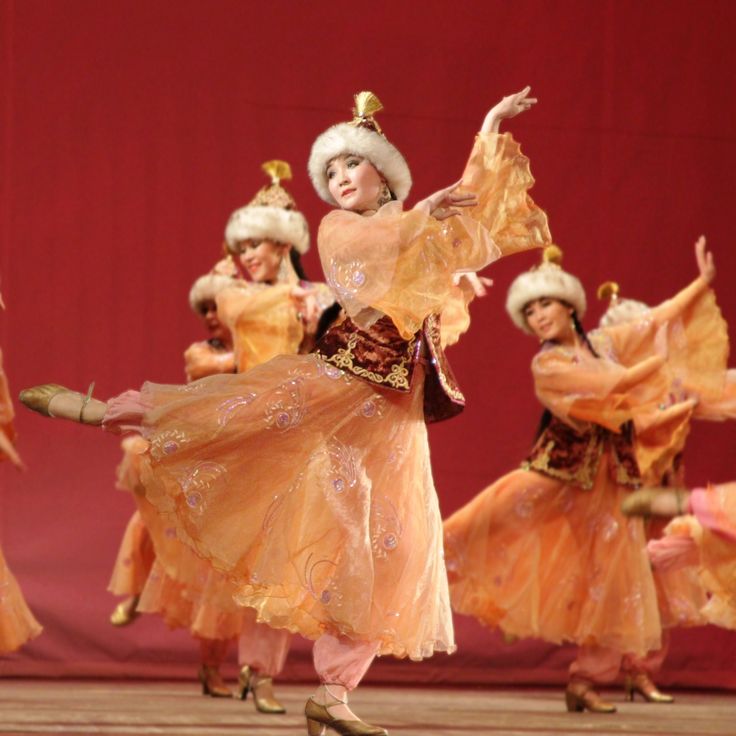
Local cultural and seasonal events
Festival moments pop up now and then, mainly when the sun stays long. Around water spots and high rocky zones, events unfold without much fanfare. Sometimes music plays, other times food stands appear out of nowhere. Each one feels different - never quite the same twice. People show up, not because they have to, but because it fits the day. Quiet energy moves through these gatherings, nothing forced. You might hear laughter near a dock, or see lights strung between trees at dusk
- Horse games and traditional sports
- Eagle hunting demonstrations
- Folk music and dance performances
- Handicraft and local food fairs
Traveler Information
Holidays in Kyrgyzstan can influence travel experience:
- On public holidays, certain businesses might shut their doors. Offices could be quiet. Banks sometimes stop serving customers. Stores often hang closed signs too
- Public areas become more lively and crowded during celebrations
- Festivals pull back the curtain on customs that quietly live outside daily routines
- Transport may be busier during peak holiday travel periods
What Travellers Say
Another amazing trip with Anur
"This is my second trip to Central Asia with Anur Tour - I can’t say enough good things about Anur . Such an amazing and personal heart felt company with such professional and lovely people to deal with . I did a 1 week bespoke trip to Kyrgyzstan- I dealt with Elina all the way th..."
- Sean L