 Central Asia & Caucasus DMC
Turkmenistan travel
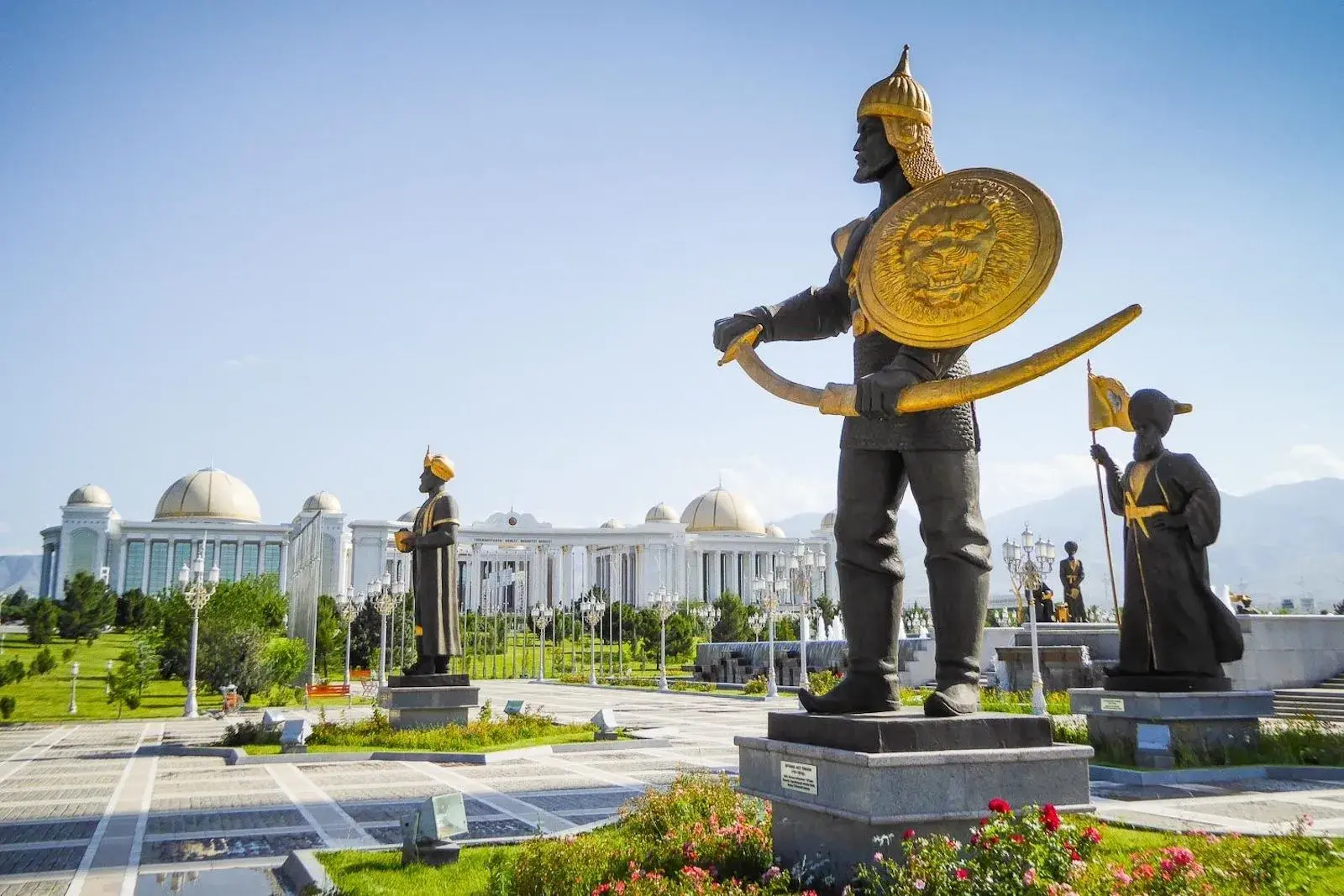
Few countries stop you in your tracks quite like Turkmenistan.
It is one of the world's least-visited nations - and one of its most visually arresting. The Karakum Desert stretches endlessly in every direction, Ashgabat gleams with white marble in a way that feels almost surreal, and somewhere out in the darkness of the desert, the Darvaza Gas Crater has been burning for decades, drawing travelers who can't quite believe it's real until they're standing in front of it.
Beyond the spectacle, there is genuine depth here. Turkmen carpets woven with centuries of craft. The Akhal-Teke horse - one of the oldest and most beautiful breeds on earth. A Silk Road heritage that shaped the ancient world and still leaves its mark on every corner of the country.
Turkmenistan doesn't reveal itself easily. But for those who make the journey, it offers something travel rarely delivers anymore - the feeling of somewhere truly, completely unlike anywhere else.
At Anur Tour, we'll take you there properly.
Our Services
Tourist information Turkmenistan
- 1. Why Turkmenistan Feels Different
- 2. Visa & Entry - Easy to Navigate
- 3. Is Turkmenistan Safe?
- 4. What Most Guides Skip
- 5. Comfort level is higher than you expected
- 6. Top Experiences
- 7. Best time to visit (seasonal travelling)
- 8. Culture, lifestyle, & Reality
- 9. Cultural Etiquette & Dress Code
- 10. Food Experience in Turkmenistan
- 11. Things You Should Know Before You Go
- 12. Why It’s Great for Modern Travelers
- 13. Our Services
- 14. Language & communication
- 15. Health & Insurance in Turkmenistan
- 16. Electricity, plugs & adapters
- 17. Emergency Contacts & Embassy Information in Turkmenistan
- 18. What to buy from Turkmenistan
- 19. Festivals & public holidays
Why Turkmenistan Feels Different
Turkmenistan gives you an atmosphere. Here travel isn’t loud, crowded, or overly explained. It has the structured, spacious, yet quietly surreal feel of a place where every detail is deliberate and every silence is part of the experience. What distinguishes Turkmenistan from others is not just what you see there, but how it makes you feel.
Surrounded by desert landscapes & stillness
From the endless Karakum Desert to distant, ever-extending horizons, nature here feels sparse, mighty, and untouched - with a silence that is absorbed as part of the journey as much as the destination. Ashgabat’s unique identity. Its capital, Ashgabat, feels nothing like any other city - wide, orderly, built with stunning white marble architecture. It’s both futuristic and strangely serene, like a city built as a statement
A tradition-oriented culture
Turkmenistan remains grounded in identity well beyond its 20th century: famous carpets made with the art of hand, the fine Akhal-Teke horses, nomadic tradition and artisanal work, iconic national design within contemporary life. These traditions aren’t hung up for tourists - they’re integrated into daily life. Unusual, unforgettable landmarks. Natural wonders, such as the Darvaza Gas Crater and vast desert roads and remote sites abound, making Turkmenistan seem rare, surprising, and slightly otherworldly.
Controlled but also intriguing atmosphere
Different from many places in the world, tourism here feels structured and less commoditized. This has a sense of mystery-you are moving into a place which doesn’t try to be imposed by outside pressure. It leaves you with a feeling. Turkmenistan isn’t a matter of checking off sights. It’s about experiencing: silence instead of noise. space instead of crowds.
Visa & Entry - Easy to Navigate
Going to Turkmenistan involves more planning than other places, but from the inside-out it is simple to follow.
Visa requirement
The majority of travelers require a visa in advance. Turkmenistan is not a visa-on-arrival destination for international tourism, and often, application requires:
An invitation letter (LOI)
Endorsement from the authorities of immigration
Confirmed travel itinerary.
Tour-based entry
Independent travel is limited
Visitors usually enter the country via registered tour operators
Pre-arranged guided tours
Fixed travel programmes with lodgings and transport included
Entry points
Its primary international entrance is via Ashgabat International Airport, which serves key regional and global routes.
What you should prepare
Prior to going abroad, you often require:
Passport (valid for at least 6 months)
Approval of visa / invitation letter
Confirmed travel plan
Travel insurance (recommended or required based on visa type.
Key travel note
Processing times and requirements can vary, making it important to apply well in advance of future events and plan out your itinerary flexibility-wise.
Bottom line
Entry to Turkmenistan is more organized than any other destination, but once you’ve been approved, the experience seems very exclusive - like entering a highly curated, rarely-visited part of Central Asia.
Is Turkmenistan Safe?
Turkmenistan is considered safe when it comes to street crime and personal security.
Low crime environment
Crime rates are relatively low and serious incidents involving tourists are uncommon. In cities as well as tourist routes, people usually expect a peaceful and regulated environment.
Orderly urban areas
Public spaces are clean, organized, and tightly controlled in the capital Ashgabat. Visitors enjoy a sense of predictability and stability.
Day-to-day safety
Walking in central areas is generally safe. Locals are respectful and reserved. Basic precautions (as would be so in any country) are still advised.
Things to be aware of
Safety here has less to do with crime than with rules and regulations; travel is often organized through approved tours. Certain areas may require permits. Photography restrictions can apply in specific zones.
Healthcare & emergencies
Medical services may be available, but may be more limited compared to larger tourism hubs. It is best to have travel insurance to ensure peace of mind. Overall impression. Turkmenistan is not a high-risk destination for tourists - it is structured, controlled, and calm. For travelers the key difference is not safety but understanding and adherence to local regulations. In short: it’s a spot where you’re secure as long as you play by the rules and travel with proper planning.
What Most Guides Skip
While traveling to Turkmenistan, most visiting guides simply discuss landmarks. What you do get is often shaped by specifics not mentioned very often. It is an invitation to join who gives your access rather than that open choice for flexibility. Travel is not fully self-contained here: most people arriving need a visa with invitation. Travel is often arranged by means of licensed tours. Itineraries are usually pre-approved. It seems more like a planned tour than a spontaneous one.
Movement is more controlled
In many cases certain areas may need permission. Travel routes can be determined in advance. Spontaneous changes are fewer than they are in the neighbouring countries. This results in a very structured travel time.
Connectivity can feel limited
You have your mobile internet, but it may not be fast or available everywhere. VPN use may be restricted. Offline planning is very helpful.
Cash is essential
Cash is still widely used in everyday situations. Card payments are limited outside of major hotels. ATMs may not always be reliable for foreign cards.
Cities seem unusually quiet
In Ashgabat, streets are especially wide and often empty. Public spaces are so organized. The atmosphere is peaceful, methodical and efficient. The distance of travel is greater than we expect. Even short routes can end up even feeling long because: infrastructure is spread out.
Transport options are more limited
Planning ahead is important. Social conduct is respectful but restrained. The locals are polite and formal. Hospitality is there but communication is often limited. Patience and politeness work wonders.
The real insight
Turkmenistan is not your average free-travel destination - it is both structured and intentional and quiet. Once you find the rhythm, it's not so much the spontaneity, but experiencing a special, controlled and interesting kind of Central Asia.
Comfort level is higher than you expected
Turkmenistan often surprises travelers - not with chaos or difficulty, but with how clean, structured, and comfortable it can feel in the right settings.
Modern infrastructure in cities
In Ashgabat, you’ll notice:
- wide, well-maintained roads
- clean public spaces
- organized urban planning
- strong sense of order in everyday life
The city feels unusually calm and visually refined compared to many regional capitals.
Decent hospitality standards
- hotels in major cities are generally well-equipped
- basic comfort needs (air conditioning, clean rooms, services) are usually met
- guided tours often include structured, reliable logistics
Smooth travel experience (with planning)
When organized properly:
- transport is coordinated and punctual
- guides handle logistics and navigation
- travel feels predictable and safe
Low stress atmosphere
Unlike crowded tourist destinations:
- there are very few tourist crowds
- streets feel quiet and spacious
- daily pace is slow and controlled
This creates a surprisingly relaxing environment for visitors.
Overall impression
Turkmenistan doesn’t feel “raw” or difficult - it feels organized, polished, and unexpectedly comfortable, especially in urban areas and guided travel routes.
The experience is less about struggle, and more about structured simplicity in a visually unique setting.
Top Experiences
Turkmenistan is a place built on contrast - silent deserts, striking architecture, and rare cultural traditions. Here, the experiences seem less like spectacle and more like stepping into a different kind of flow of travel.
Darvaza Gas Crater
One of the most surreal sights in the world - a burning gas crater in the middle of the Karakum Desert that has been glowing for decades. At night it feels almost otherworldly. 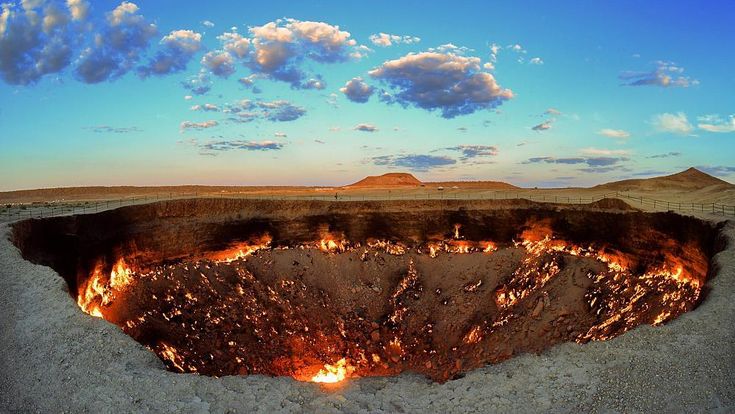
Ashgabat’s marble cityscape
Its white marble architecture, broad boulevards, and monumental design make the capital Ashgabat. It's clean, hushed, and visually striking.
Akhal-Teke horses
A national symbol of pride - graceful golden-coated horses known both for their speed and beauty. To get a feel for so much tradition, visiting a breeding farm or cultural center is important.
Traditional craftsmanship of carpet
Turkmen carpets are world-famous for their deep colors and symbolic patterns. One of the most authentic experiences in the country is watching artisans make them.
Karakum Desert journey
Driving through the sprawling Karakum Desert provides: endless horizons. silence and open space. The sensation as one not even hearing the latest modern noise.
Local cultural visits
Travel often includes: traditional meals with local families (on guided tours). folk performances. small rural village visits.
Overall experience
Turkmenistan is not about fast travel. It’s about rare and unique landscapes, managed cities, and deeply rooted traditions - a destination that more feels like an experience than a checklist of attractions.
Best time to visit (seasonal travelling)
Season | Period | Weather | Travel Experience | Best For |
Spring | March – May | Mild temperatures, blooming deserts and green landscapes | Sightseeing, cultural tours, exploring ancient Silk Road sites | One of the best seasons to visit because the weather is comfortable for long walks and excursions |
Summer | June – August | Very hot and dry, especially in the Karakum Desert | Desert adventures, experienced travelers | Temperatures can exceed 40°C, so outdoor activities are difficult during daytime |
Autumn | September – November | Warm days with cooler evenings | City tours, nature trips, photography | Another ideal season with pleasant weather and fewer extreme temperatures |
Winter | December – February | Cool to cold weather, occasional snow in some regions | Budget travel, quiet tourism | Good for travelers who prefer fewer tourists, but desert nights can become very cold |
Culture, lifestyle, & Reality
Turkmenistan is a country where culture is very traditional, life is very organized, and modern development happens within very specific parameters - which creates a reality not felt from most travel destinations.
A culture rooted in tradition
Culturally, Turkmen culture is highly influenced by roots and identity:
- Traditional nomadic ways are still the basis for today's existence.
- Hospitality is formal and dignified and essential
- Traditional crafts such as carpets are still highly valued
- Music, poetry and storytelling speak deeply of cultural pride
Urban lifestyle in cities
- Everyday life in Ashgabat is clean and highly organized
- Quiet and spacious. structured in public behavior and movement
- Aesthetically contemporary but socially restrained
- Life in the city remains pleasant, but not chaotic or too casual
Сommunication & social behavior
- People are respectful and reserved in public
- Their interactions are polite, not expressive, interactions are respectful, not expressive
- Hospitality is there, but in a formal nature
- Trust and respect become important in communication
Daily reality for visitors
- Strong travel restrictions and movement rules
- Minimal spontaneity in planning
- Organized, guided-style experiences. emphasis on order and regulation
- The culture you see, you watch
- Culture here doesn’t feel “performed” for tourists; it feels: preserved in daily life
- Embedded in traditions and craftsmanship
- Less commercialized than many places
General reality
- Turkmenistan isn’t a place of constant conversation or frenetic stimulation. It is structured rather than chaotic.
- Quiet rather than loud. traditional rather than globalized.
- Controlled but visually striking.
- A place where culture is stable and lifestyle seems orderly, where the whole thing unfolds and is organized by simplicity rather than the flow of tourism.Where life itself is a matter of planning.
Cultural Etiquette & Dress Code
Turkmenistan is a very traditional nation with respect towards the people’s behavior and the idea of dressing in a modest manner is very common in the country.
Cultural etiquette
- Good manners and respect are important - polite and formal conversation is valued
- The public is usually sober and restrained - loud or overly expressive remarks are uncommon in public spaces
- Always be respectful in religious or official settings - follow local guidance when entering mosques or government buildings
- Look out for photography - do not shoot military or government landmarks, or people without authorization
- Service is formal - the guests are held to high standards of hospitality, but interactions are typically choreographed instead of informal
Dress code expectations
Men and women are advised to wear modest clothing
Women:
- Don’t wear overly short skirts, shorts, or revealing tops
- Lightweight covering is more relaxed and respectful
Men:
- Casual but neat clothing
- Steer clear of too-beach-style or too-casual clothing in town centers
Religious and traditional sites:
- Treat in more conservative manner
- Shoulders and knees are normally to be covered
Due to the weather in cities such as Ashgabat :
- Summer best fabrics are light, breathable
- Layering is crucial for seasonal adjustments
- Comfortable walking shoes are necessary due to wide city spaces
Food Experience in Turkmenistan
Turkmenistan provides a culinary odyssey inspired by centuries of Silk Road heritage, nomadic traditions, and the welcoming hospitality of Central Asia. Every plate is not just food - it is a unique experience that transcends food and is associated with culture, family, and tradition.
Plov. A dish made of tender lamb, carrots, onions and aromatic spices - one of the most traditional rice dishes. Plov is one of the most loved dishes in Turkmenistan and is served during celebrations, weddings and family gatherings.
Shashlik. Juicy skewers of marinated meat grilled on an open flame. Steaked in smoky flavor and tenderness, shashlik is often eaten with fresh onions, bread and traditional tea.
Dograma. A national dish rich with fresh bread soaked in a broth of flavorful meat, a slow-cooked lamb filling the cavity. Dograma has ties with Turkmen cultural and festive traditions.
Manty. Seasoned meat and onions on hand-steamed dumplings. Glowing, firm and tender, manty are considered deliciously prepared in many dishes all over the country.
Chorek. Traditional Turkmen bread in clay ovens. Crispy on the outside and soft on the inside, chorek is considered sacred in Turkmen culture and goes together with nearly every meal.
Ichlekli. Stainless, meat pie with minced lamb and onions, and spices baking and golden and crispy. It's one of the most savory street food style dishes in Turkmen cuisine.
Gutap. Thin stuffed flatbreads usually filled with meat, potatoes, spinach, or pumpkin. Gutap, cooked on a hot surface, is simple, hearty and widely enjoyed as a quick traditional grab and go snack.
Turkmen Melon. Perhaps the state’s most famous natural delicacies. Due to this warm, sunny desert climate, Turkmen melons are popular internationally with their wonderful sweetness, aroma and refreshing taste.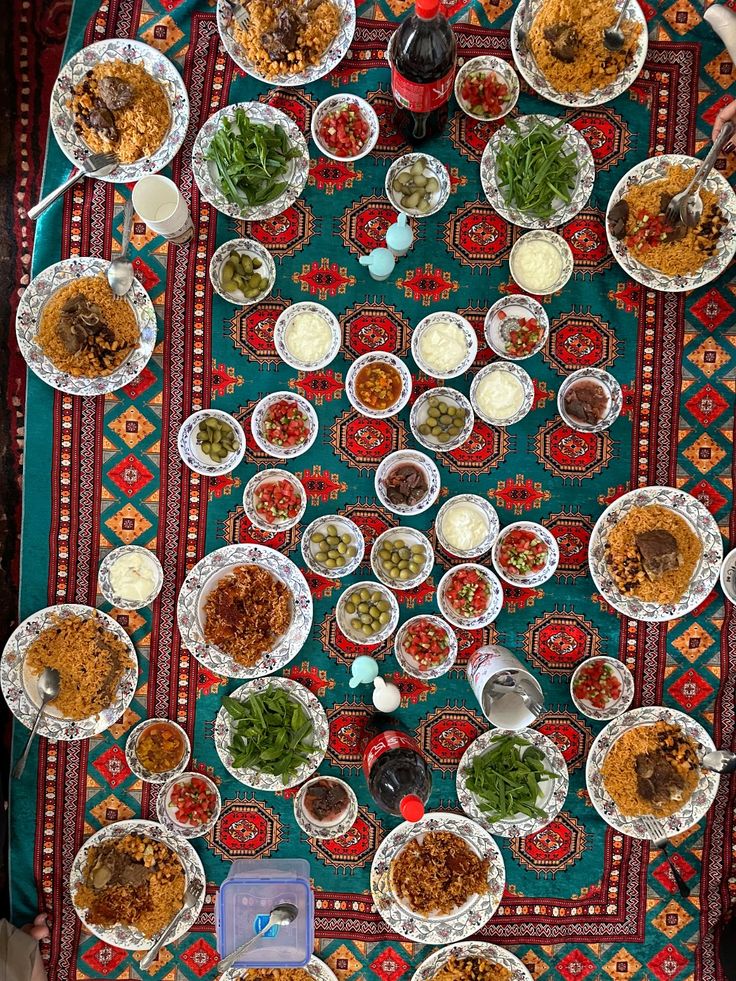
Things You Should Know Before You Go
Packing Guide (Based on Season)
Turkmenistan has a continental desert climate, in which summers can be absolutely hot while winters suddenly turn cold, especially at night. Stocking along season allows much easier travel.
Spring (March – May)
Turkmenistan comes with mild sunshine and lovely scenery for spring as one of the happiest times.
- Warm daytime weather should wear layered light clothes
- A light jacket or cardigan for the cooler evenings
- Comfortable walking shoes
- Sunglasses and sunscreen
- A scarf for windy desert areas
- Reusable water bottle
Travel advice
When spring weather changes so fast (especially in desert areas), it is usually best to layer. Most days on end are comfortable under them
Summer (June – August)
Summer in Turkmenistan is both very hot and dry. In general speaking, desert areas can be hotter than 40°C (104°F) – which is very dry to be without water or warmth in them.
What to Bring:
- Lightweight clothing with enough of a cushion for air movement
- Cotton or linen clothing
- Wide brim of a cap or hat
- Sunglasses with sun protection
- High SPF sunscreen
- You can have these for sandals and shoes comfortable in the heat of summer. Even a water cooler fan or bag is best
- Water bottles for the electrolyte
Travel advice
To avoid lengthy outdoor excursions with sunbathing on one hand. Sightseeing and desert tours generally take place in the early mornings and evenings.
Autumn (September – November)
Another great time to visit is autumn, with pleasant temperatures and comfortable travel conditions.
What to Bring:
- Light clothing for daytime
- Night wear - jacket (medium thickness)
- Comfortable walking shoes
- Sunglasses and sunscreen
- Small backpack for day trips
Travel Tip:
Autumn is perfect weather for visiting historical sites and desert landscapes thanks to cooler temperatures and clear skies.
Winter (December – February)
It is cold in winter, especially at night and in desert regions, where the temperatures drop dramatically.
What to Bring:
- A warm coat or insulated jacket
- Sweaters and thermal materials
- Scarf, gloves, warm socks
- Comfortable boots or shoes closed for warmth
- Lip balm and moisturizer for dry air
Travel Tip:
Even when daytime temperatures feel reasonable, desert nights can be considerably cold, thus warm layers are essential for overnight travel.
Additional Travel Tips
Dress modestly when visiting cultural or religious sites. Use cash because international cards don’t work everywhere. Before you head anywhere where you don’t have access to the internet, download offline maps.
Carry water with you, all the time, especially when it’s warm. Respect local customs and hospitality traditions - they are major components of Turkmen culture.
Your experience of Turkmenistan will be rich with ancient Silk Road history and desert adventures as well as modern architecture that are prepared for - it won’t hurt to have prepared yourself.
Why It’s Great for Modern Travelers
Culture & Heritage | Adventure & Nature | Modern Experience |
Turkmenistan is deeply rooted in Silk Road history with ancient cities, nomadic traditions, and strong cultural identity. | The Karakum Desert, natural landscapes, and the Darvaza Gas Crater offer unique adventure and unforgettable scenery. | Ashgabat stands out with futuristic white-marble architecture, wide roads, and a very planned, modern city design. |
Traditional crafts like carpet weaving and horse culture (Akhal-Teke horses) are still an important part of everyday life. | Desert trips, camping, and off-road experiences give a sense of untouched nature and exploration. | The city looks very clean, structured, and visually unique compared to most Central Asian capitals. |
Atmosphere | Food & Lifestyle | Travel Experience |
The country is calm, safe, and not overcrowded with tourists, which makes travel more peaceful. | Traditional food includes plov, shashlik, manty, fresh bread (chorek), and famous sweet Turkmen melons. | Perfect for travelers who want something unique, authentic, and different from mainstream tourist destinations. |
Local people are known for strong hospitality and respect toward guests. | Local markets are full of fresh products, spices, and handmade goods. | Combines culture, desert adventure, and modern architecture in one destination. |
Our Services
Planning a trip should be exciting, not complicated. At Anur Tour, we handle all travel logistics and make planning easy, comfortable, and organized.
Whether it’s a business trip, leisure vacation, VIP journey, or corporate event, our team pays attention to every detail with care and professionalism. From the first idea to the last day of your trip, we focus on comfort, efficiency, and quality service.
We collaborate with trusted local partners in Turkmenistan to offer reliable coordination, competitive rates, and complete on-ground support. You can focus on your goals while we manage everything else.
Our services include:
- Personalized travel in Turkmenistan and Central Asia
- Hotel reservations for every level of comfort
- Railway and flight ticket booking
- Private and group transportation
- Visa support for Turkmenistan
- Professional guides and interpreters
- MICE services (Meetings, Incentives, Conferences, Exhibitions)
Whether your journey is a VIP trip, private tour, or business travel arrangement, Anur Tour is here to provide one of the most organized, reliable, and professionally managed travel experiences in Turkmenistan.
Language & communication
The official language of Turkmenistan is Turkmen, while Russian is also widely spoken, especially in cities and business environments. In hotels, tourist areas, and with professional guides, basic English communication is usually available.
Learning a few local phrases can make your trip easier and create a warmer connection with local people, who are known for their hospitality and friendliness.
Common Phrases
English | Turkmen | Pronunciation |
Hello | Salam | salam |
Welcome | Hoş geldiňiz | hosh geldiniz |
Thank you | Sag boluň | sahg bolun |
Please | Haýyş edýärin | hayish ederin |
Yes | Hawa | hawa |
No | Ýok | yok |
Goodbye | Hoş gal | hosh gal |
How are you? | Halyňyz nähili? | halungiz nehili |
I am fine | Men gowy | men govooh |
Excuse me | Bagyşlaň | bagyshlan |
Do you speak English? | Siz iňlisçe gepleýäňizmi? | siz inglische gepleyanizmi |
I don’t understand | Men düşünemok | men dushunemok |
How much is this? | Bu näçe? | boo nechu |
Where is the hotel? | Myhmanhana nirede? | mihmanhana nirede |
Help | Kömek | koemek |
Water | Suw | soow |
Tea | Çaý | chai |
Delicious | Tagamly | tagamluh |
Taxi | Taksi | taksi |
Airport | Aeroport | aeroport |
Health & Insurance in Turkmenistan
All basic health measures for your trip are taken, and so visiting Turkmenistan is very comfortable and safe. All visits require comprehensive travel insurance to help keep you supported medically, ensure you have emergency medical care, and also to keep peace of mind throughout your stay.
Health Tips
- Drink bottled or filtered water.
- Bring personal medicine and basic first aid supplies.
- Protect yourself from strong sun and heat-especially in desert areas.
- Stay hydrated during excursions and outdoor activities.
- Use sunscreen in summer, sunglasses, and lightweight clothes.
Medical Services
- Cities like Ashgabat are staffed by hospitals, clinics, and pharmacies.
- Except in international hotels or private facilities, English-speaking medical workers are mostly unlikely to exist.
- In remote desert areas, some medical facilities may be scarce, so it is necessary to be ready well beforehand.
Travel Insurance
- Travelers must be encouraged to purchase coverage for:
- Medical emergencies
- Hospital treatment
- Emergency evacuation
- Trip delays or cancellations
- Lost luggage and personal items
Important Tip
During the entire voyage, you should always remember to have copies of your passport, visa, insurance documents, and emergency contacts with you.
Electricity, plugs & adapters
Type C and Type F plugs are used in Turkmenistan, which are common in most of Europe and Central Asia.
Information Details
Voltage 220V
Frequency 50Hz
Plug Types Type C & Type F
What Travelers Should Know
- Travelers from nations with alternative plug formats may need a universal travel adapter.
- Most modern hotels provide standard European-style outlets.
- Be sure to check if each device supports 220V to avoid damage.
- Long distance road trips or desert activities may require a portable power bank.
Helpful Tip
Whether you’re traveling with multiple devices (phone, camera, laptop), a universal adapter with USB ports can save you the hassle of being away from something you frequently use.
Emergency Contacts & Embassy Information in Turkmenistan
Having important emergency numbers and embassy contacts can make your trip safer and a lot more comfortable. These contacts need to be saved before you travel.
Emergency Numbers
Service Number
Police 102
Ambulance 103
Fire Emergency 101
General Emergency Assistance 112
Important Travel Tips
- Take a copy of your passport, visa, insurance, and emergency contacts with you.
- Before arrival, save your embassy’s phone number and address.
- Mobile signal and English-speaking assistance might be limited in remote areas.
- Travel insurance with emergency medical coverage is highly recommended.
Embassy Information
The vast majority of embassies are based in Ashgabat, the capital of Turkmenistan. Visitors should consult its official website or contact the embassy before traveling to access updated visa regulations, registration requirements, and emergency support details.
Common Embassy Services
- Passport support
- Emergency travel documents
- Assistance during emergencies
- Visa and legal information
- Support for lost or stolen belongings
For extra safety, inform a family member or trusted person by sharing your travel itinerary and where you will be staying before your travel in order to avoid complications and safety issues.
What to buy from Turkmenistan
Souvenir | Description |
Turkmen Carpets | Some of the most well-known symbols in Turkmenistan. Turkmen carpets made by hand have well-defined patterns and are also of high quality and valuable to culture. |
Akhal-Teke Horse Souvenirs | The Akhal-Teke horse is a national symbol of Turkmenistan. You can find statues, paintings, magnets, and handmade souvenirs inspired by this famous breed. |
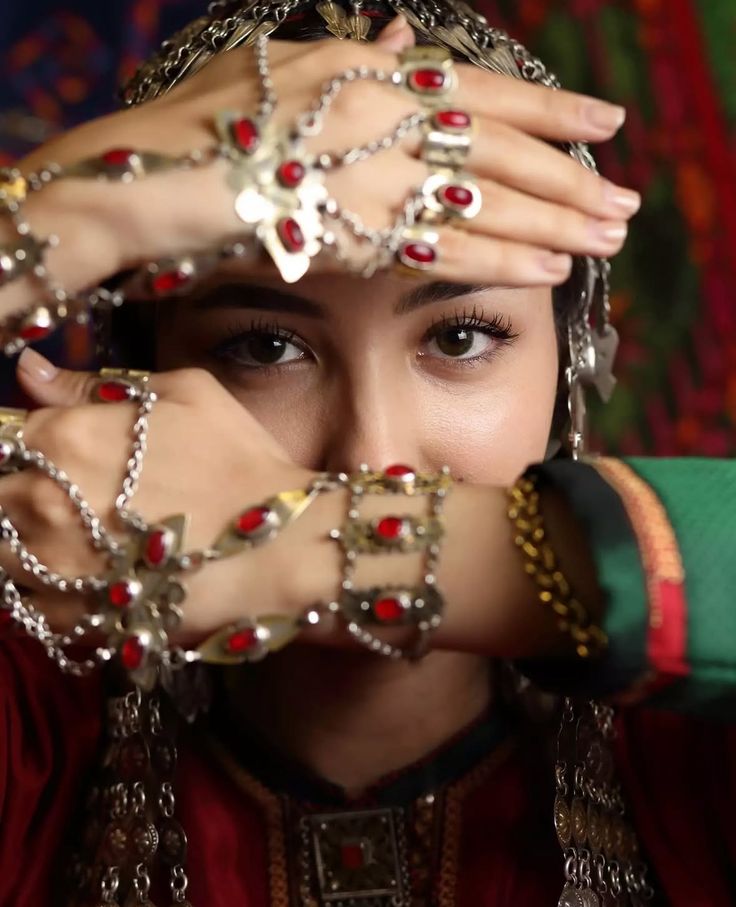
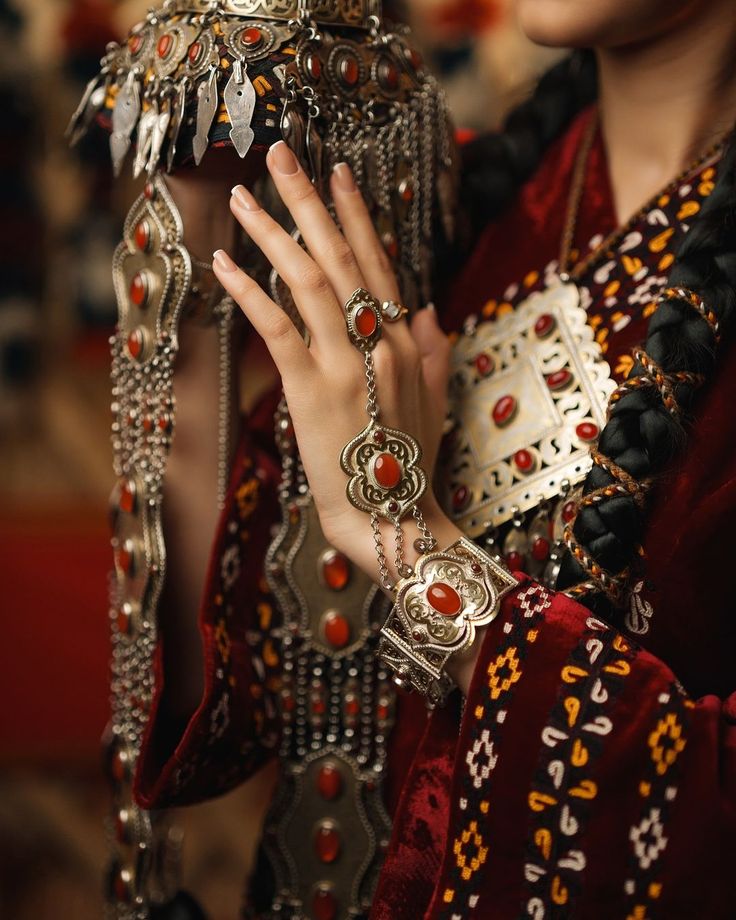
Turkmen jewelry | Turkmen jewelry comprises silver, natural stones, and traditional tribal designs. Many are handmade designs that reflect the country’s rich heritage. |
Turkmen Silk & Textiles | Traditional scarves, embroidered clothes, and silk fabrics are popular souvenirs with stunning national designs and vibrant colors. |
Handmade Embroidery | Traditional Turkmen embroidery is highly detailed, colorful, and available in many forms from clothes, bags, and ornamented home decorations. |
Turkmen Melon Products | Turkmenistan is well known for its sweet melons. As gifts, travelers usually purchase dried melon, sweets, or melon-inspired products. |
Traditional Hats & Clothing | Turkmen culture is reflected by national clothing articles and traditional fur hats making these special cultural souvenirs. |
Tea & Spices | Local varieties of tea blends and Central Asian spices on offer well for those in search of genuine regional tastes. |
Ceramics & Handicrafts | Bazaars and artisan shops stock handmade pottery, decorative plates, and local crafts. |
Camel Wool Products | Soft camel wool blankets, scarves, and clothing are traditional products that are appreciated for their warmth and quality. |
Shopping Tips
- The best bazaars offer real handcrafted goods.
- Traditional markets are rife with bargaining.
- Inspect export regulations before purchasing antique carpets or historical items.
- Use cash because card payments may not apply everywhere.
- Local artisans and traditional craftsmanship are often supported with handmade products.
Festivals & public holidays
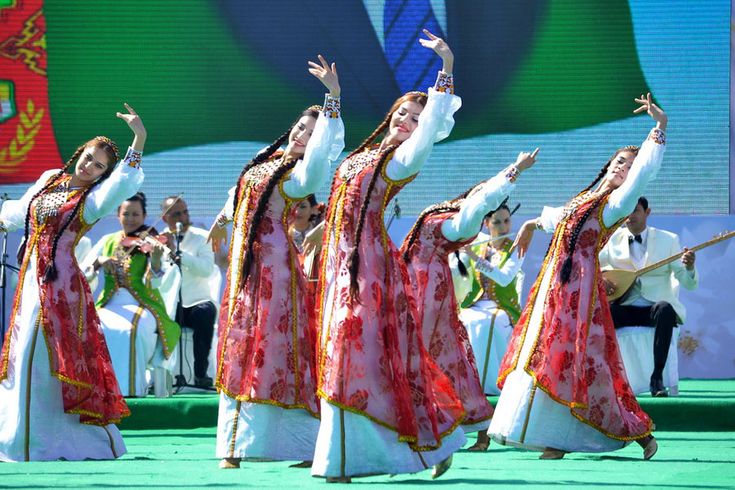
Turkmenistan has several national, cultural, and religious holidays which are an expression of its national history, traditions, and Islamic foundation. Family reunions, public feasts, traditional meals, and cultural performances are observed on the days.
Independence Day (27 September) The biggest of the holidays in Turkmenistan, marking Turkmenistan's independence with parades, concerts, and public celebrations across the country.
Neutrality Day (12 December) Unique national holiday with official observances and cultural festivities celebrating Turkmenistan’s neutral political status.
Nowruz (21 March) In Central Asia, a spring festival and New Year. There’s food, music, dances, and outdoor gatherings.
Flag Day (19 February) A national day which is marked by the official adoration of the state flag and the official programming and cultural activities.
Constitution Day (18 May) To celebrate the adoption of the national constitution by holding official events and public celebrations.
Kurban Bayram (Eid al-Adha) An Islamic holiday when families cook traditional foods, host relatives for a visit, and give to charity.
Oraza Bayram (Eid al-Fitr) Celebrates the end of Ramadan fasting with prayers, feasts, and family gatherings.
Carpet Day (May, date variable) A cultural fair for Turkmen carpet weaving with artisans’ exhibitions.
Melon Day (August, 2nd Sunday) Turkmen melons: a national holiday showcasing fairs, tastings, culture, and more.
Horse Day (April, last Sunday) Celebrates Akhal-Teke horses, country pride, and heritage through races and performances.
Travel Tip
It's during special holidays and major events in a city where it gets bustling with people, such as Nowruz and Independence Day. This is an incredible time to experience the local culture, though reservations of hotels and transport should be made in advance.
What Travellers Say
Awesome
"The whole week tour in Turkmenistan was unique, amazing and an unbelievable experience. The guide , Serdar, was fantastic. We really liked all the moments in this beautiful country"
- Massimo P
3-day Turkmenistan tour departing Khiva arriving in Bukhara
"I booked through Anur Tour the three-day Turkmenistan tour departing Khiva returning to Bukhara. From my initial e-mail enquiry to post-tour follow-up, tour manager Elina was super-responsive, always communicating the latest tour update (especially with regards to the LOI needed..."
- Paul L
Incredible experience travelling to Turkmenistan which was made possible thanks to Anur Tours
"I had the pleasure of visiting one of the most isolated countries in the world, Turkmenistan. I cannot thank Anur Tours enough for everything that they did. They helped me get my Letter of Invitation in a very short space of time. Elina was always available and gave me step by st..."
- keithbegg